India's Largest Zoo Pivots to Wildlife Aid in Home Countries
One of the world's largest animal rescue centers is making a major change after facing criticism. Instead of importing endangered animals, Vantara will now support conservation efforts where the animals naturally live.
India's massive Vantara wildlife center just announced a complete turnaround that could change how we think about animal rescue worldwide.
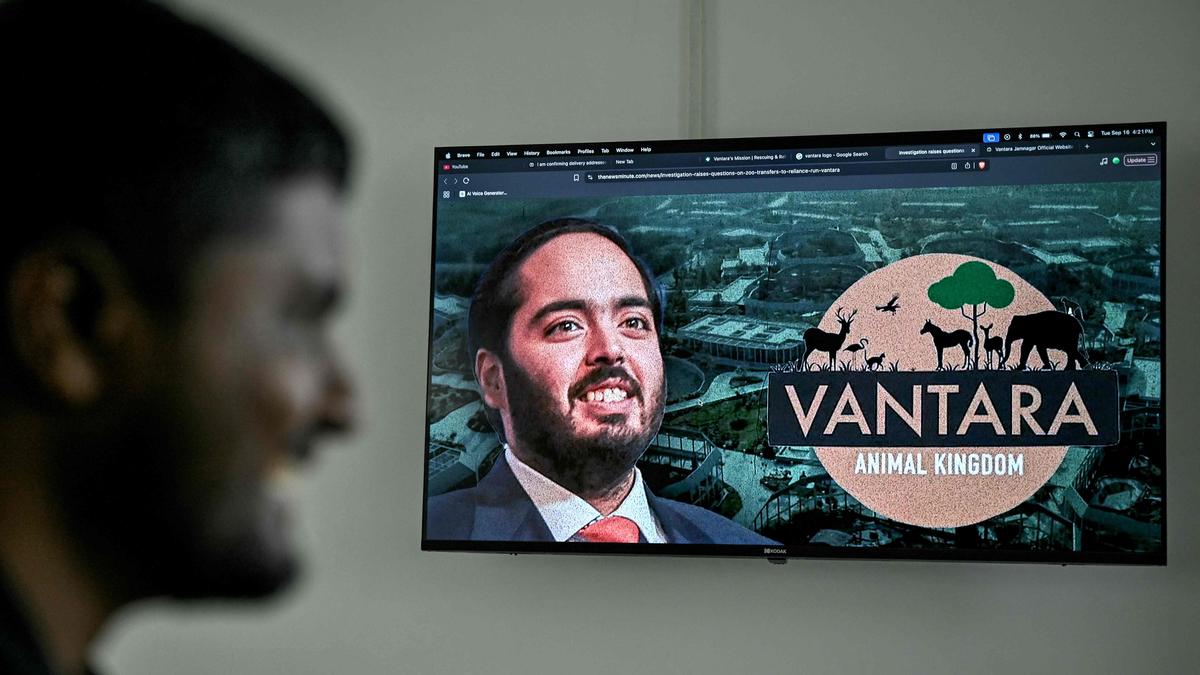
The 3,500-acre facility in Gujarat, founded by Anant Ambani and home to over 260 elephants and hundreds of other endangered species, faced sharp criticism for rapidly importing protected animals from around the globe. Now it's hitting the reset button in a big way.
John Scanlon, who led the world's main wildlife trade watchdog from 2010 to 2018, will chair Vantara's new governing council. He'll oversee all decisions about bringing in animals, ensuring the center follows the highest standards.
The shift is dramatic. Vantara withdrew every pending application to import live animals and imposed a one-year moratorium on new imports until at least June 2027. During that time, they'll build stronger systems and expertise to guide future decisions.
But here's where it gets really exciting. Instead of moving animals thousands of miles to India, Vantara will fund conservation projects in the countries where those animals belong.
The plans span continents. In Brazil, they'll support efforts to save Spix's macaws, one of the rarest birds on Earth. In Africa, projects will launch in Democratic Republic of Congo, Kenya, and Rwanda. Elephant care centers will open in Indonesia and Zimbabwe.
Closer to home, Vantara pledged to help Indian state forest departments, rescue centers, and breeding programs. They're also committing resources to modernize zoos across the country.
The Ripple Effect
This reset could inspire similar facilities worldwide to rethink their approach. Rather than relocating endangered animals to massive rescue centers, the new model supports ecosystems and communities where those species naturally thrive.
Local conservation creates jobs, builds expertise in range countries, and helps entire populations of animals rather than rescuing individuals. It's a shift from treating symptoms to addressing root causes.
CEO Vivaan Karani summed up the new vision perfectly: "We want to be judged not by how many animals come to Vantara, but by how many animals are helped where they belong."
The world's wildlife deserves both rescue and a future in their natural homes, and now one of the biggest players in animal conservation is betting on both.
Based on reporting by The Hindu
This story was written by BrightWire based on verified news reports.
Spread the positivity!
Share this good news with someone who needs it