India's Leprosy Colonies Become Chosen Homes of Healing
Thousands of people cured of leprosy decades ago still live in India's 750 remaining colonies, but not because they have to. These communities have transformed into supportive homes where families thrive and stigma fades.
Alamelu was just 12 when her family sent her away after a leprosy diagnosis, fearing shame and unmarriageable siblings. Now 75 and cured for decades, she lives in Tamil Nadu's Kalvari Nagar colony by choice, surrounded by her two grown sons who work as an electrician and construction worker.
India's 750 remaining leprosy colonies tell an unexpected story of resilience. While these settlements began as forced exile sites, they've evolved into chosen communities where tens of thousands of former patients and their families now live willingly.
The medical reality surprises most people. Leprosy, easily cured with antibiotics today, ranks among the least contagious diseases, with 95% of humans naturally immune. Yet centuries of stigma mean many former patients find more acceptance inside colonies than outside.
Rabha has called these communities home for 37 years, raising her family despite visible effects of the disease. Her son became an electrical engineer at a multinational firm. Her daughter works as a nurse. Both visit regularly, with her son's family living alongside her to provide care.
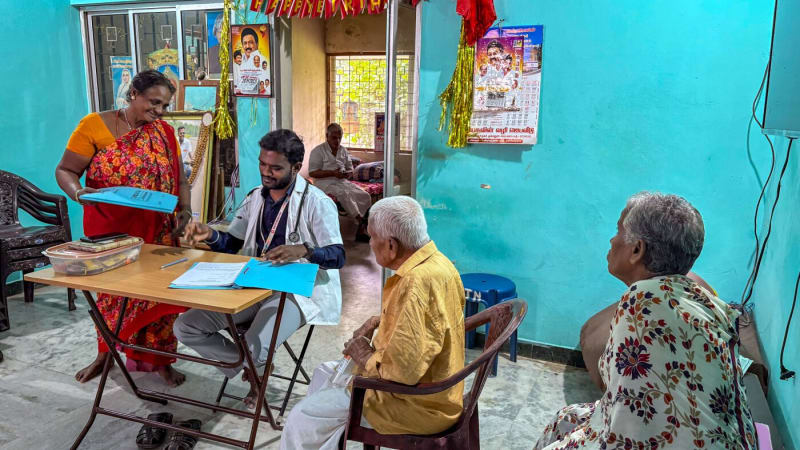
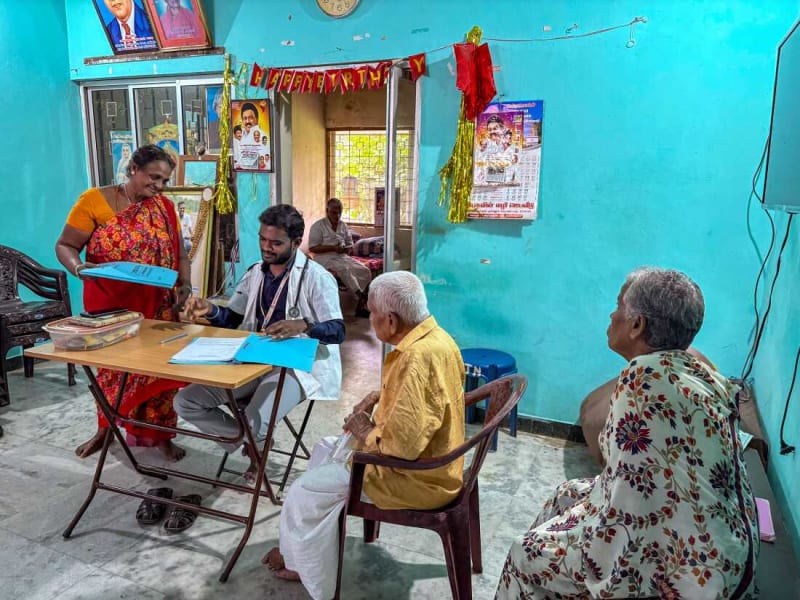
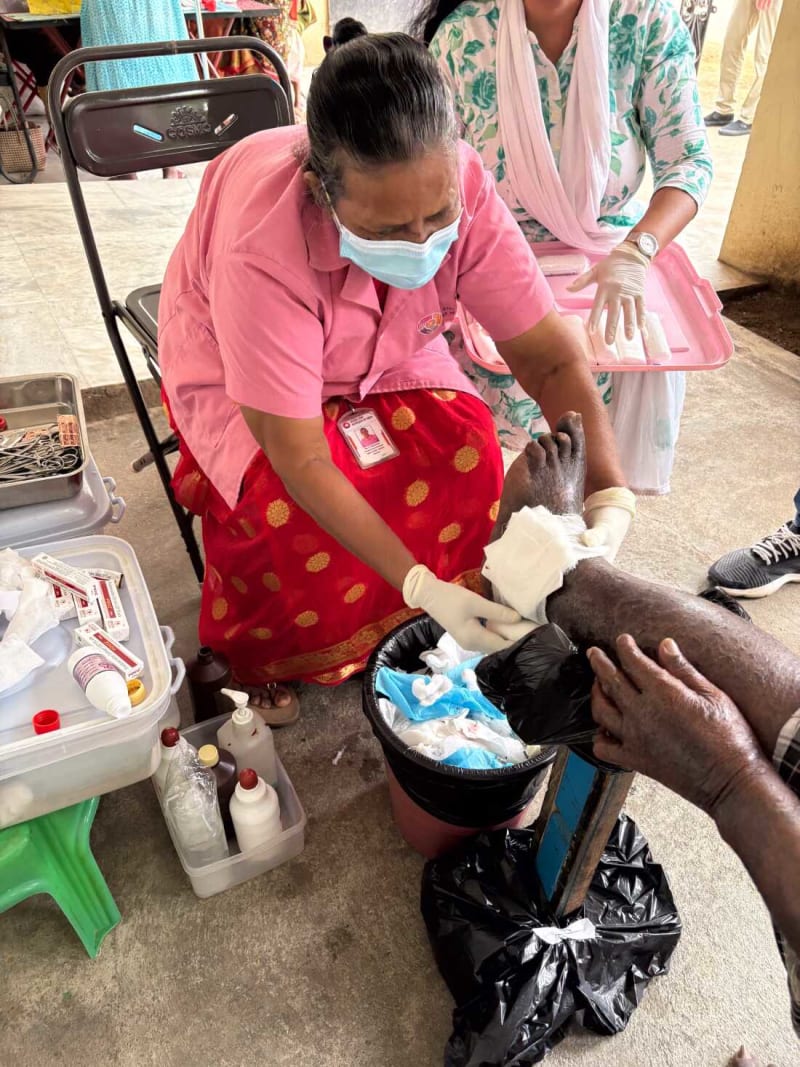
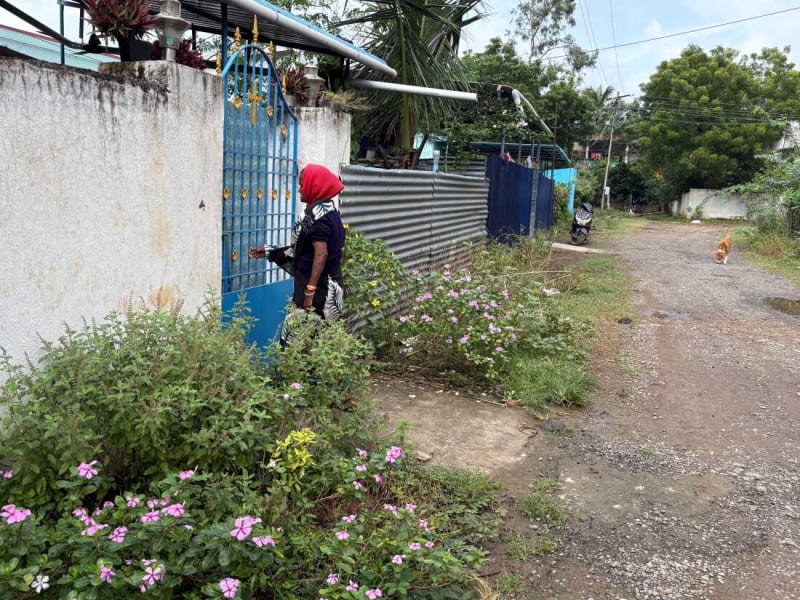
Modern colony life looks increasingly ordinary. Narrow unpaved roads wind between modest homes that residents own outright. Healthcare workers visit regularly, treating lasting effects like foot wounds and nerve damage with compassion and medical supplies.
Why This Inspires
These communities prove that places born from fear can transform into spaces of belonging. Children who grew up in colonies often return to care for aging parents, showing that family bonds matter more than outdated prejudices. Residents own homes, hold professional jobs, and build multigenerational households where grandchildren play freely.
The World Health Organization reported 173,000 new leprosy cases globally in 2024, with India accounting for 60%. Today's patients receive treatment at government hospitals and return home, spared the exile earlier generations endured.
Government and nonprofit programs continue improving conditions in existing colonies. Some settlements now blend seamlessly with surrounding villages, their origins as isolation centers fading into history as communities focused on mutual support and healing.
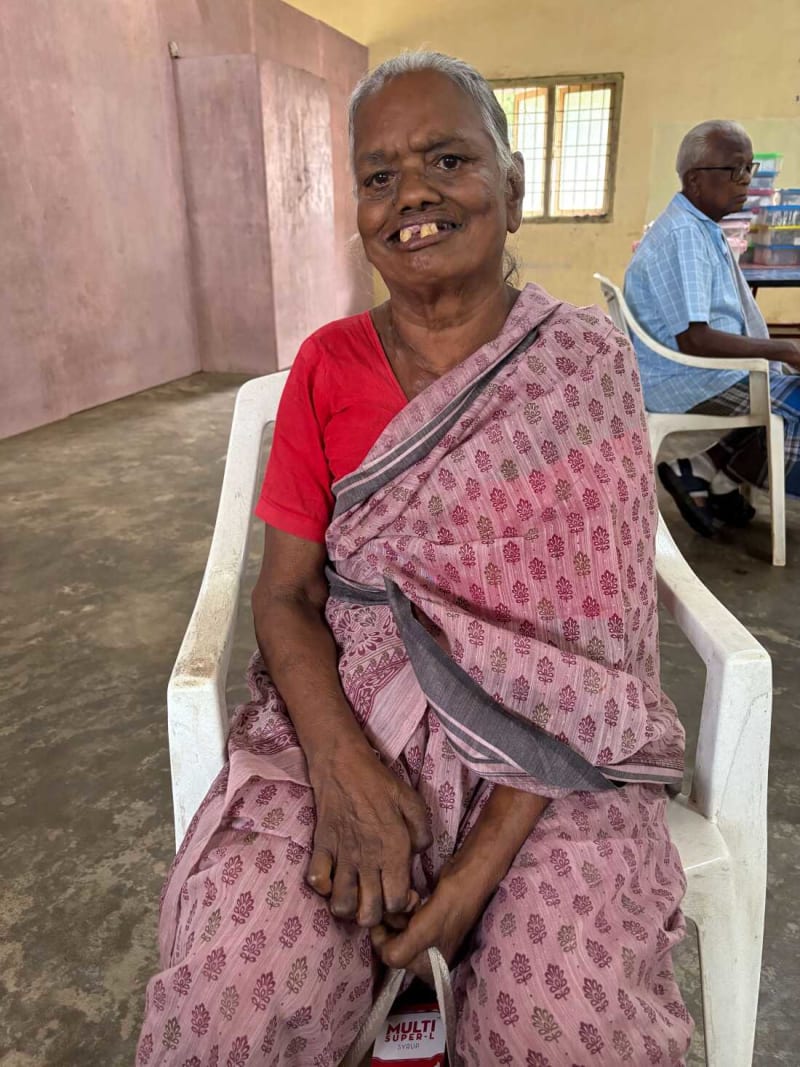
Alamelu looks at her clawed hands, the only visible reminder of her disease, and expresses no regrets about staying. Why leave when she has a home she owns, sons nearby, and neighbors who understand?
More Images
Based on reporting by Google News - Health
This story was written by BrightWire based on verified news reports.
Spread the positivity!
Share this good news with someone who needs it