India's Rarest Bird Gets 2 New Chicks in Rajasthan
Two Great Indian Bustard chicks just hatched at a breeding center in Jaisalmer, bringing the captive population to 70 birds. With only around 130 left in the wild, these downy arrivals represent real hope for one of the world's heaviest flying birds.
Two Great Indian Bustard chicks just hatched in Rajasthan, and for a bird with only a few hundred left on Earth, their tiny lives carry enormous weight.
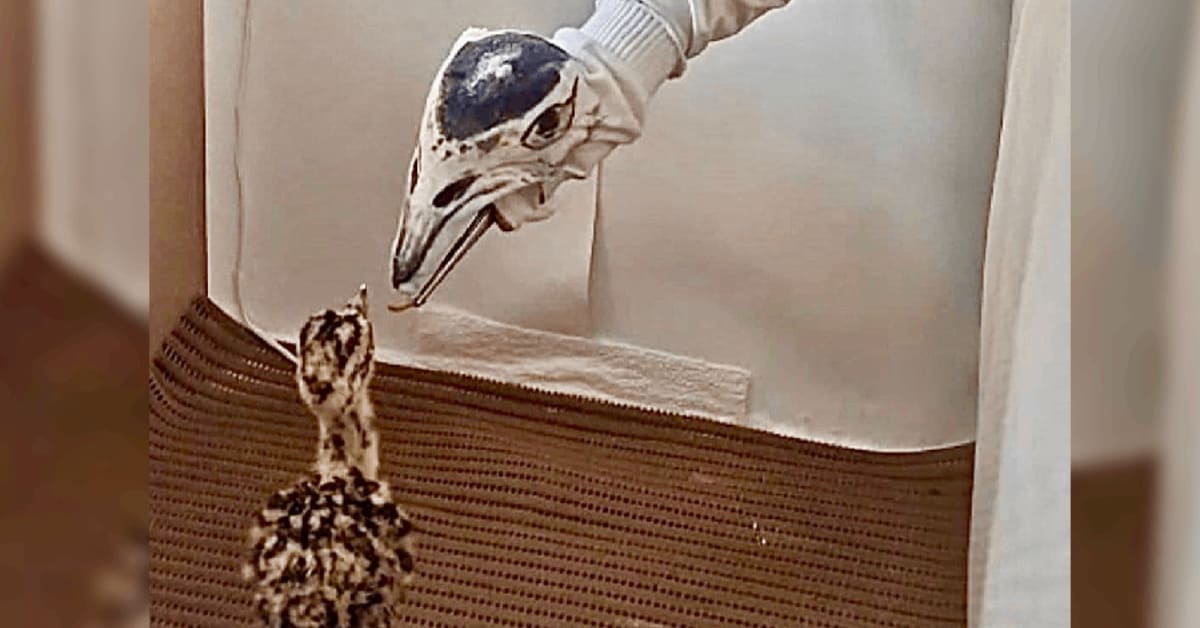
The arrivals at the Conservation Breeding Centre in Sam, Jaisalmer, happened just days apart in March 2026. One chick was born through natural mating on March 10, and another through artificial insemination on March 12, bringing the captive population to 70 birds.
This matters because the Great Indian Bustard once roamed freely across India's dry grasslands. Tall, long-legged, and weighing up to 12 kg, these striking birds with black crowns and sandy-brown bodies were even considered for India's national bird before the peacock won out.
Today, only about 130 survive in the wild around Jaisalmer. Hunting, habitat loss, and deadly collisions with power lines pushed this critically endangered species to the brink.
That's where science stepped in. The breeding program, now in its fourth year, combines natural breeding with artificial insemination to overcome a tough biological reality: these birds breed slowly and lay just one egg per season in simple ground scrapes.
Dr. Tushna Karkaria, Lead Veterinarian with Project Great Indian Bustard at the Wildlife Institute of India, explains the delicate work. "Natural breeding is difficult to ensure genetic diversity," she says, describing how her team uses artificial techniques to maintain a healthy population without moving fragile birds between locations.
The process requires patience and constant adjustment. Male birds are introduced to realistic dummy models to prepare them for breeding. "Sometimes the individuals are scared, so we had to make the dummies more realistic so that they get acclimatised," Dr. Karkaria notes.
Even the females need reassurance. "Sometimes the females need their keepers to be around when they are tending to eggs, because it reassures them," she adds, highlighting just how sensitive these birds are to their surroundings.
The program's latest milestone involves something crucial: preparing captive-bred chicks for life beyond the enclosures. Officials say some of this year's chicks will be soft-released into the wild, where they can gradually adapt to their natural habitat.
That means training them to find their own food and reducing human contact so they can survive independently. The work involves collaboration between the Rajasthan Forest Department, the Wildlife Institute of India, and the International Fund for Houbara Conservation in Abu Dhabi, which helps with training and building a sperm bank for the species.
Why This Inspires
Every conservation win starts small. Two chicks don't reverse decades of decline overnight, but they represent something bigger: proof that careful science, patience, and collaboration can pull a species back from the edge.
The Great Indian Bustard's story shows what's possible when experts refuse to give up on a species, even when the odds look impossible.
More Images
%2B(1).png)
%2Fenglish-betterindia%2Fmedia%2Fmedia_files%2F2026%2F03%2F24%2Fsriroopa-featured-image-template-7-2026-03-24-19-08-49.png)
%2Fenglish-betterindia%2Fmedia%2Fmedia_files%2F2025%2F11%2F20%2Fwild-at-heart-banner-image-microsite-banner-2025-11-20-16-17-04.jpg)
.png)
Based on reporting by The Better India
This story was written by BrightWire based on verified news reports.
Spread the positivity!
Share this good news with someone who needs it