India's Rooftop Solar Doubles to 7.1 GW in 2025
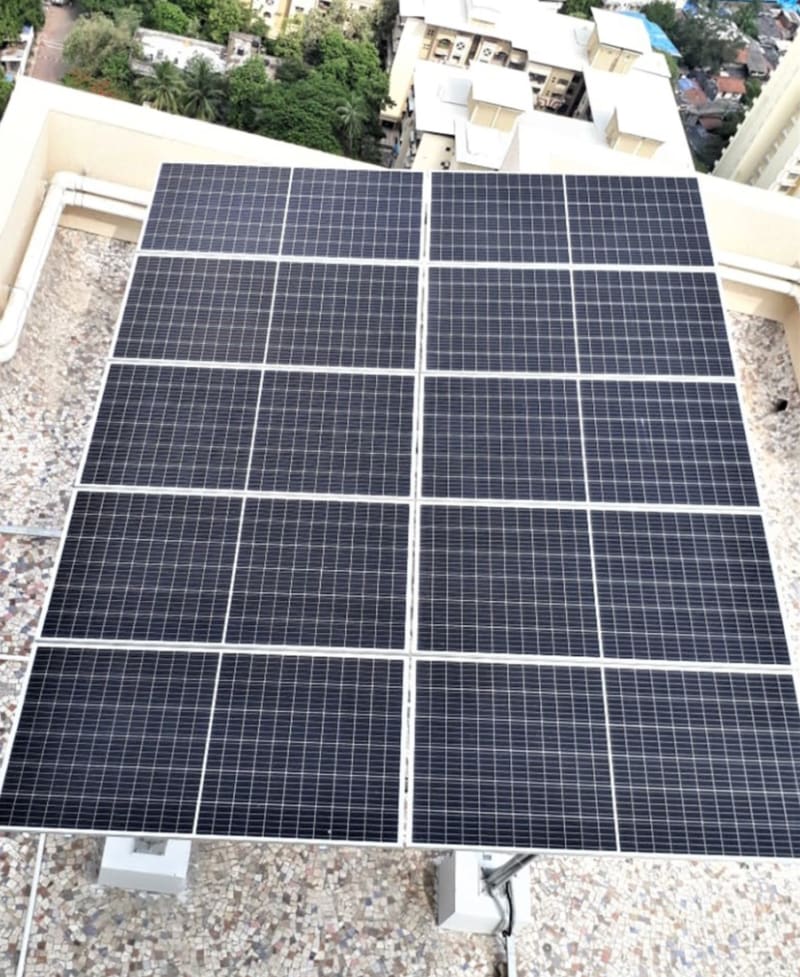
India just more than doubled its rooftop solar installations in a single year, with homes leading an energy revolution that's putting power back in people's hands. Thanks to a government program offering free electricity, three out of four new solar panels went up on residential rooftops across the country.
India just pulled off something remarkable in the fight against climate change: the country doubled its rooftop solar capacity in 2025, jumping from 3.2 gigawatts to 7.1 gigawatts in just one year.
That's enough clean energy to power millions of homes, and it happened because ordinary families decided to go solar. Residential installations accounted for 76% of all new capacity, transforming neighborhoods across India into mini power stations that generate electricity right where people need it.
The secret ingredient? A government initiative called PM Surya Ghar: Muft Bijli Yojana, which translates to the Prime Minister's Solar Rooftop Free Electricity Program. The program streamlined subsidies and introduced digital approvals that made going solar simpler than ever before.
"Rooftop solar reached an all-time high of 7.1 GW in 2025, more than doubling year over year," said Raj Prabhu, CEO of Mercom Capital Group, which tracks India's solar market. The acceleration came from strong residential adoption, faster subsidy payments, and online approval systems that eliminated bureaucratic delays.
Three states led the charge. Maharashtra and Gujarat each contributed 16% of new installations, while Uttar Pradesh added 15%. These aren't just wealthy coastal cities going green; the solar revolution is spreading across diverse regions with different climates and economic profiles.
India now has 20.8 gigawatts of cumulative rooftop solar capacity. Gujarat leads with nearly a quarter of the country's total, followed by Maharashtra at 15% and Uttar Pradesh at 8%.
The Ripple Effect
This solar surge does more than cut electricity bills. Families gain energy independence, reducing their vulnerability to power outages and price fluctuations. Communities breathe cleaner air as coal plants become less necessary. And installers, technicians, and manufacturers are finding new jobs in a growing green economy.
The trend looks set to continue in 2026, though rising equipment costs and stricter quality standards may slow the pace slightly. Still, with residential demand staying strong and commercial interest growing, India's rooftop solar story is just getting started.
Thousands of Indian families are proving that the clean energy transition doesn't require waiting for massive solar farms or government megaprojects; it can happen one rooftop at a time.
More Images

Based on reporting by PV Magazine
This story was written by BrightWire based on verified news reports.
Spread the positivity!
Share this good news with someone who needs it