
India's Siddi Community Keeps African Heritage Alive
In villages near Gujarat's Gir forest, the Siddi people have preserved African traditions for centuries while fully embracing Indian life. Their story shows how cultural identity can bridge continents across generations.
For hundreds of years, a unique community in western India has carried forward a heritage that began thousands of miles away in East Africa.
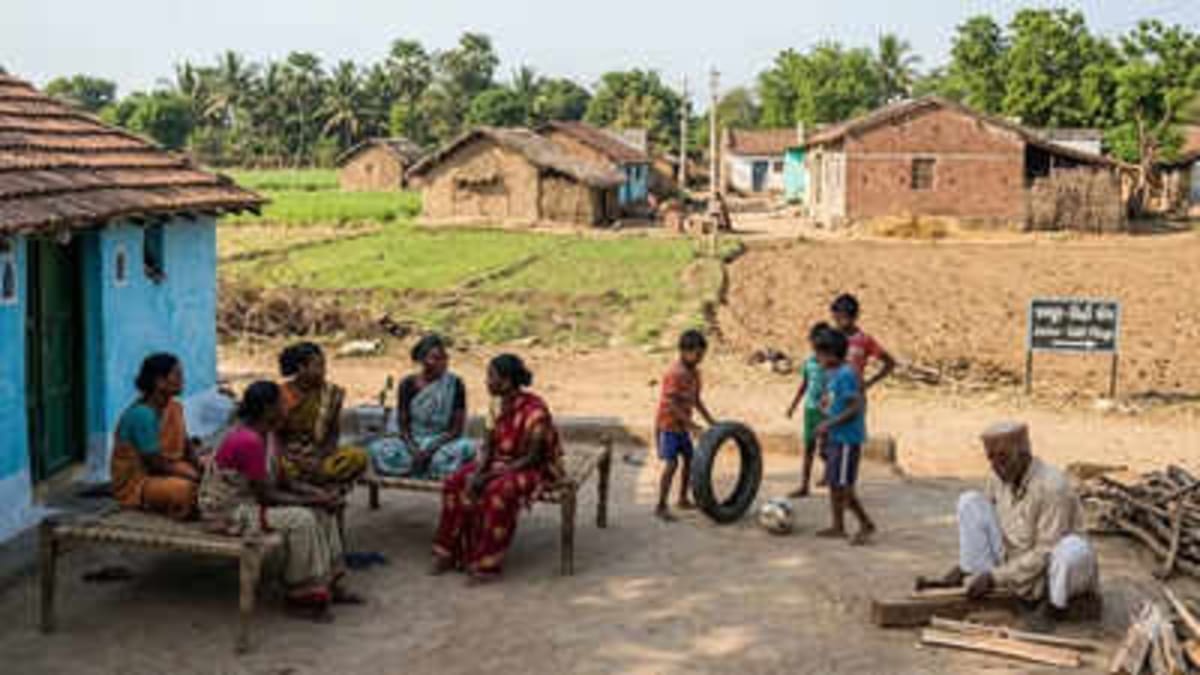
The Siddi people, descendants of Africans who arrived in India between medieval and early modern times, now call villages like Jambur in Gujarat home. They speak Gujarati, celebrate regional festivals, and participate fully in village life while maintaining distinct cultural traditions that connect them to their ancestors.
Their arrival wasn't a single event but a gradual movement through Indian Ocean trade networks. Some came as sailors and merchants. Others were brought through forced migration under various rulers. Several rose to become military commanders and nobles in the Deccan Sultanates, leaving their mark on Indian history.
Today, most Siddis live in Gujarat, Karnataka, Maharashtra, and parts of Telangana. Jambur, near the Gir forest, has become especially well known as residents there maintain visible connections to their African roots.
Music and dance form the strongest living links to that heritage. The Dhamal performance tradition features drums and rhythmic movements that researchers say echo East African ceremonial styles. These performances haven't remained frozen in time but have evolved through centuries of Indian influence, creating something entirely unique.
Religious life reflects the same blending. Some Siddi communities are Muslim, others Hindu, and some Christian. Each adapted to the regions where they settled, weaving together inherited practices with local customs in ways that now feel inseparable.
Why This Inspires
The Siddi experience shows how identity can be both deeply rooted and beautifully flexible. For younger generations, being Siddi means holding two rich cultures at once, not choosing between them. While the community has faced economic challenges and social marginalization, their recognition as a Scheduled Tribe has opened doors to education and support.
Visitors often focus on physical differences, but the real story runs deeper. The Siddis demonstrate how people can honor their origins while fully belonging to the place they call home. Their villages aren't African outposts but Indian communities with an extraordinary history.
After centuries of adaptation, the Siddi people prove that heritage doesn't fade with distance or time when communities choose to keep it alive.
More Images



Based on reporting by Times of India - Good News
This story was written by BrightWire based on verified news reports.
Spread the positivity!
Share this good news with someone who needs it

%2Fhttps%3A%2F%2Ftf-cmsv2-smithsonianmag-media.s3.amazonaws.com%2Ffiler_public%2F12%2F05%2F120524e1-9e51-48cf-8d22-2d033533e6ef%2Fodyssey-fragment.png)