India's Solar and Wind Hit 100 GW, Power 20% of Grid
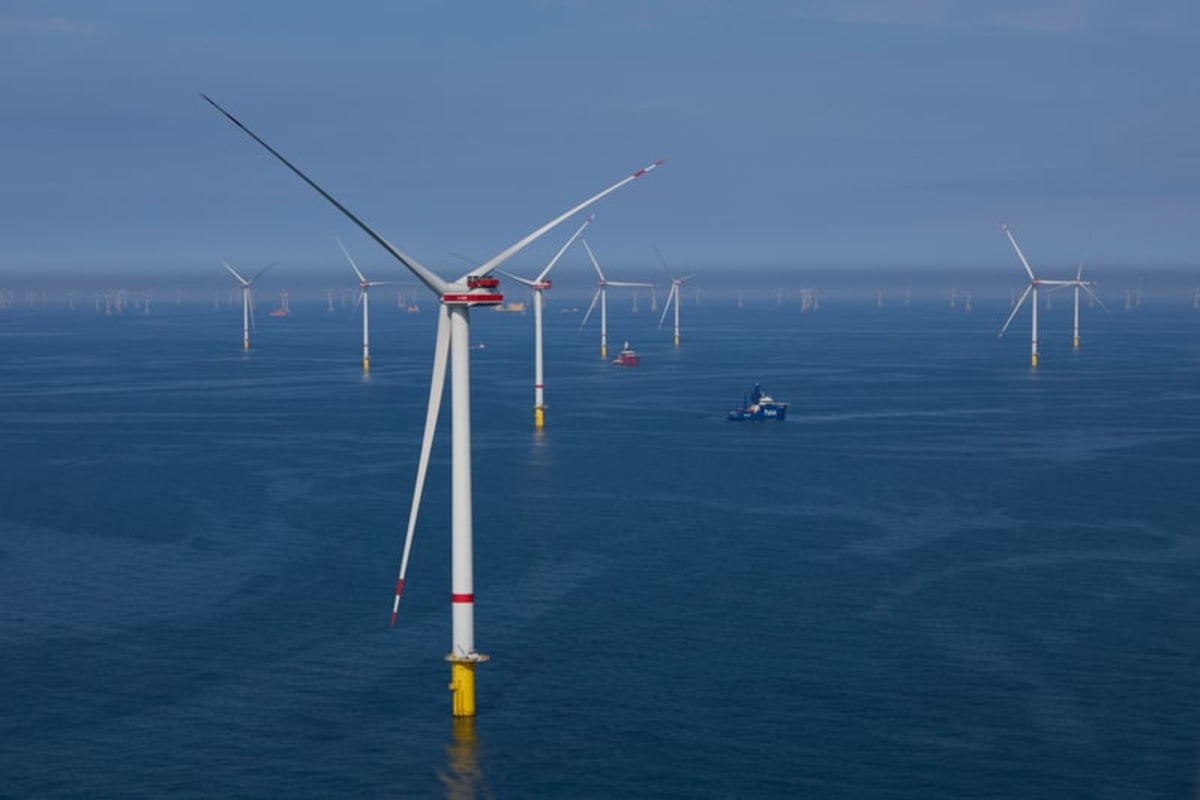
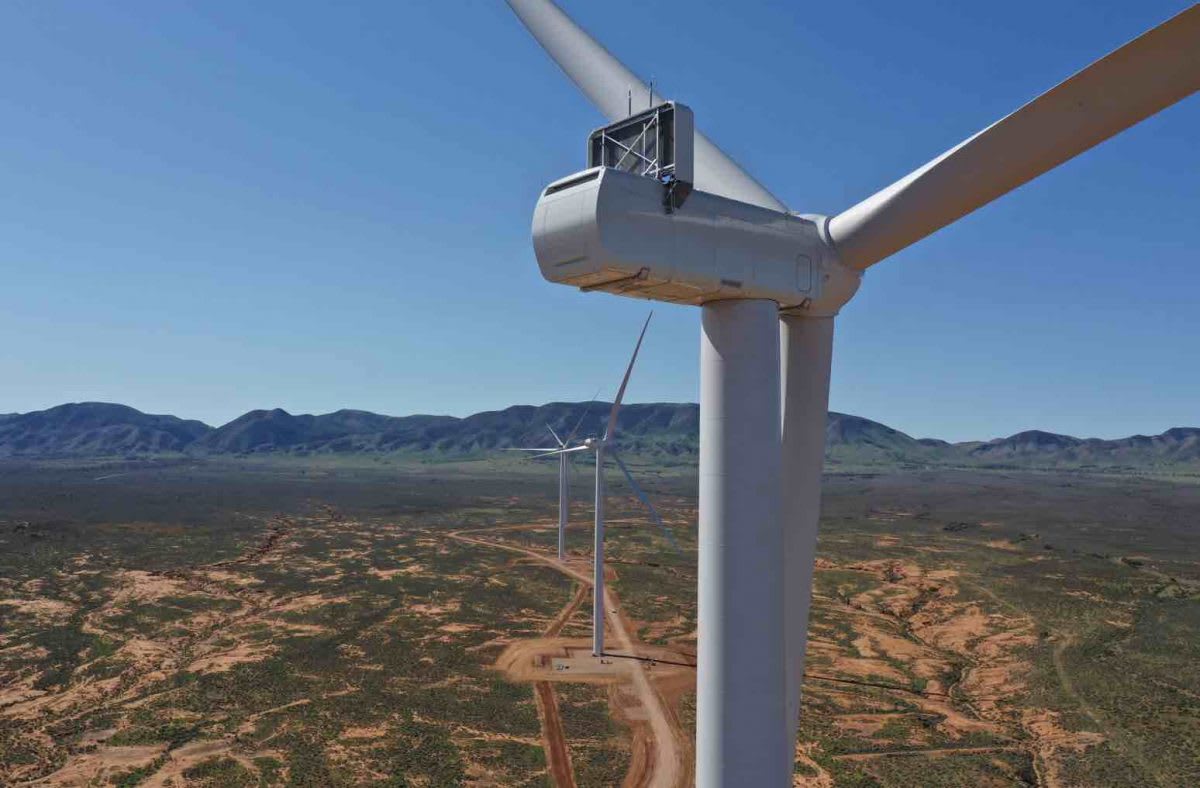
India just crossed a major clean energy milestone: solar and wind together generated over 100 gigawatts in July, powering a record 20% of the nation's electricity. On the best day, renewables supplied nearly half the country's power.
India just hit a clean energy milestone that shows how fast the world's most populous nation is moving away from coal.
In July 2026, renewable energy powered 20% of India's electricity for the first time ever. Solar and wind generation combined crossed 100 gigawatts, and on July 13, renewables supplied a stunning 42.8% of the country's power during peak daytime hours.
The numbers tell a powerful story. Renewable output jumped 30% compared to last year, reaching 36.25 billion kilowatt-hours. That growth outpaced demand itself, meaning clean energy didn't just meet new electricity needs but actually replaced some coal power.
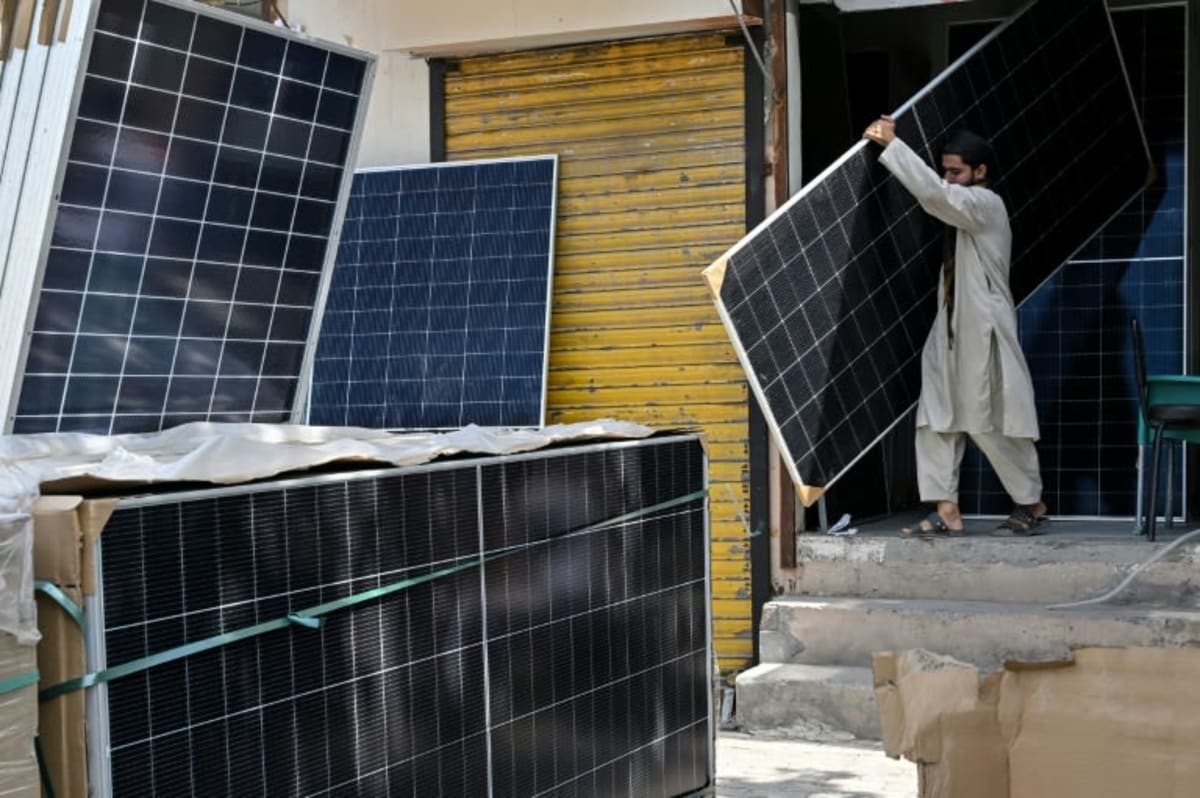
Coal's share dropped to 65.7% in July, down from 69% in June and the lowest level in a year. Solar now meets 24% of India's daytime electricity demand nationwide, a number that keeps climbing as new panels come online.
"Most of the peak power demand is happening during daytime where there is increased contribution from solar," said Manoj Kumar from the Centre for Research on Energy and Clean Air. That timing advantage means solar is perfectly positioned to handle the hours when India needs electricity most.
The progress matters beyond India's borders. The country is home to 1.4 billion people and has been one of the world's fastest-growing major economies. Showing that rapid development can happen alongside falling coal dependence sends a signal to every developing nation watching.
The Bright Side
Weather patterns could slow progress temporarily. Forecasters expect El Niño conditions that might reduce hydropower and increase air conditioning demand over the next year, potentially requiring more coal generation to fill the gap.
But that same forecast highlights why India's solar buildout matters so much. Unlike hydropower and wind, solar generation stays relatively stable during El Niño years. Every new solar farm and battery storage facility installed now becomes a buffer against weather-driven setbacks.
The underlying trend remains strong. Through the first five months of 2026, thermal generation stayed below 2024 levels even as electricity demand hit records and solar output surged by nearly a third.
India is proving that the energy transition can move faster than expected when the economics align and the political will exists. At this pace, solar could reach 30% of daytime power and 20% of total generation within a year or two.
That's the kind of progress that turns global climate goals from aspirational to achievable.
More Images




Based on reporting by Google News - Solar Power Record
This story was written by BrightWire based on verified news reports.
Spread the positivity!
Share this good news with someone who needs it