
India's Space Sector Set to Soar After Artemis II Success
NASA's Artemis II moon mission is opening doors for India's growing space program. The successful mission strengthens international partnerships that could launch India into the next generation of lunar exploration.
India's space dreams just got a major boost from an unexpected source: NASA's historic Artemis II mission circling the moon this week.
The Orion spacecraft carrying four astronauts reached a record-breaking 252,760 miles from Earth, the farthest humans have traveled since Apollo 13 in 1970. While no Indian astronauts were aboard, the mission's success creates exciting opportunities for India's ambitious space program.
India signed the Artemis Accords, a partnership framework that lets participating countries share lunar exploration data and technology. That signature just became much more valuable.
"India is now a stakeholder in the broader US-led lunar exploration ecosystem," explains defense and space expert Kaushik Ray. Instead of developing everything alone, India can now design systems compatible with global lunar infrastructure.
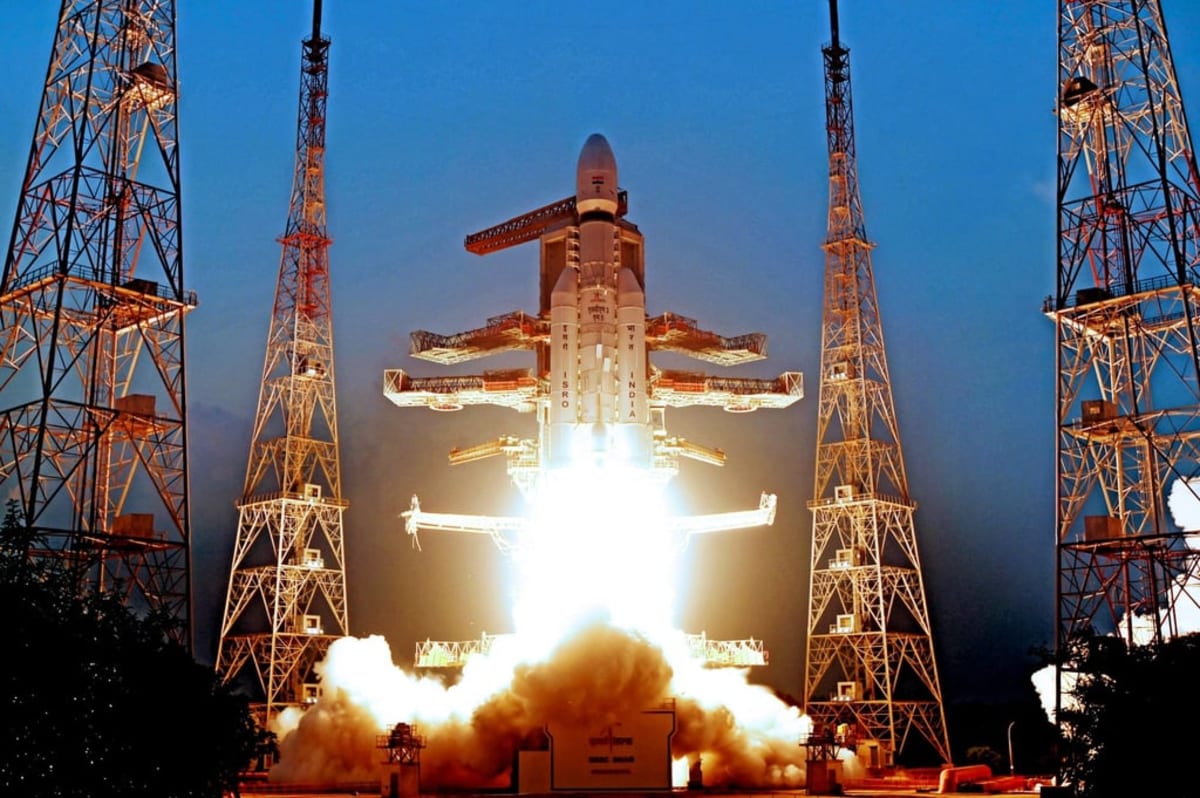
The timing couldn't be better. India's space agency ISRO plans to launch its first crewed mission, Gaganyaan, in 2027, carrying Indian astronauts into orbit for three days. Success would make India the fourth country ever to launch humans into space, joining Russia, the US, and China.
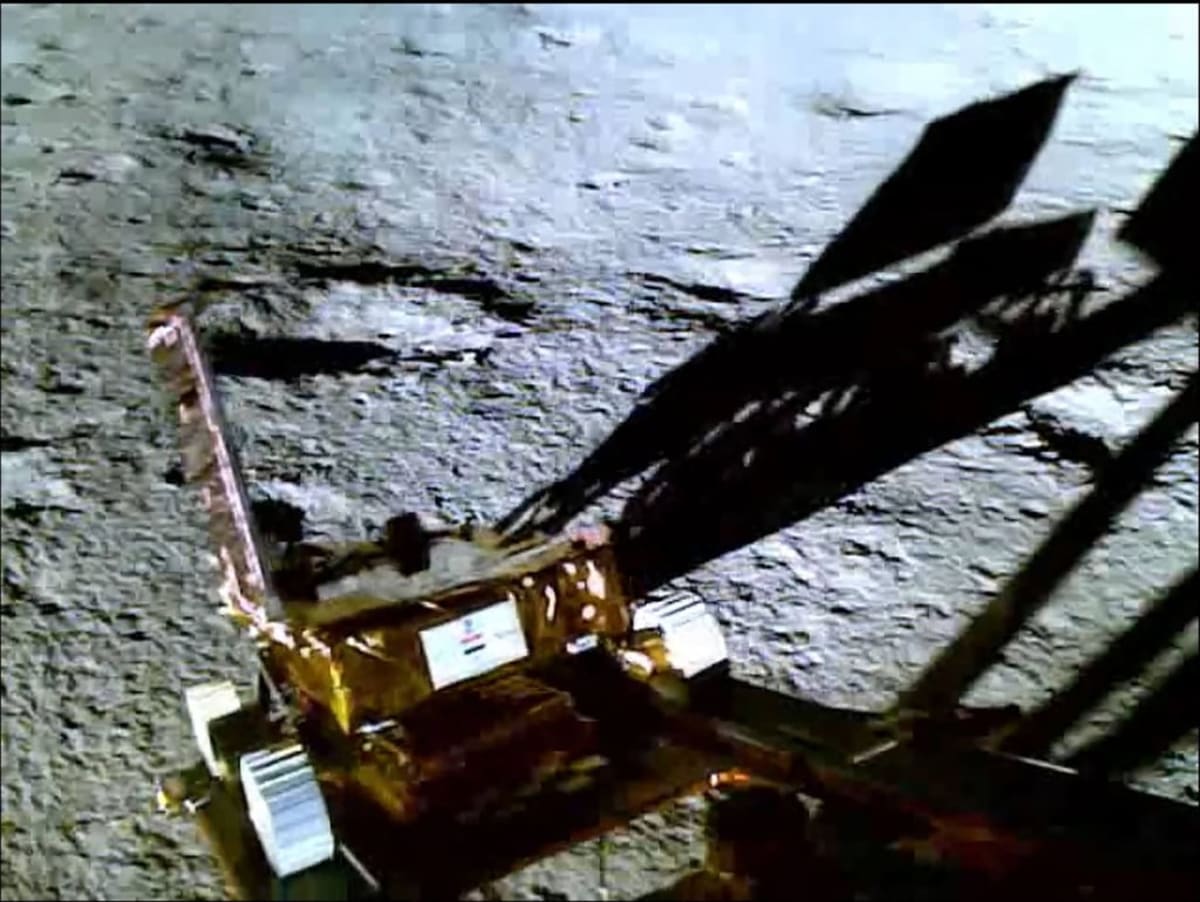
India already proved its lunar capabilities in 2023 when Chandrayaan-3 became the first mission to soft-land near the moon's south pole. That achievement positioned India as a key contributor of valuable lunar data, particularly about water ice resources that future missions will need.
The Ripple Effect
The benefits extend far beyond government programs. In 2023, India opened its space sector to private companies, unleashing a wave of innovation.
Today, more than 400 space startups are building everything from satellites to launch vehicles. The Indian space economy is projected to grow fivefold to $44 billion annually by 2033, capturing 8 percent of the global market.
India's next lunar mission, Chandrayaan-4, aims to collect moon samples and return them to Earth around 2028. The country is also partnering with Japan on LUPEX, a joint project exploring the Moon's South Pole.
The combination of international partnerships through Artemis and a booming private sector creates a powerful formula. While India's current space budget of $1.6 billion is modest compared to China's $18 billion, experts say strategic investments and stronger private participation can maximize the opportunities Artemis creates.
India's National Space Promotion and Authorization Centre, formed in 2020, is already accelerating private sector growth. These startups are attracting global attention and investment, positioning India as a serious player in the new space economy.
As the Artemis II crew prepares to splash down Friday, they're leaving behind more than footprints in lunar history—they're opening pathways for nations like India to reach higher than ever before.
More Images


Based on reporting by South China Morning Post
This story was written by BrightWire based on verified news reports.
Spread the positivity!
Share this good news with someone who needs it