India's Spacetech Boom: 95 Startups Launch in Hyderabad
Hyderabad has quietly become India's spacetech capital, with 95 startups now building everything from satellites to space debris removal systems. Former government scientists and early employees are spinning out to create a thriving ecosystem that's attracting global customers.
A decade ago, building a space company in India seemed impossible, but two Hyderabad startups proved it could be done.
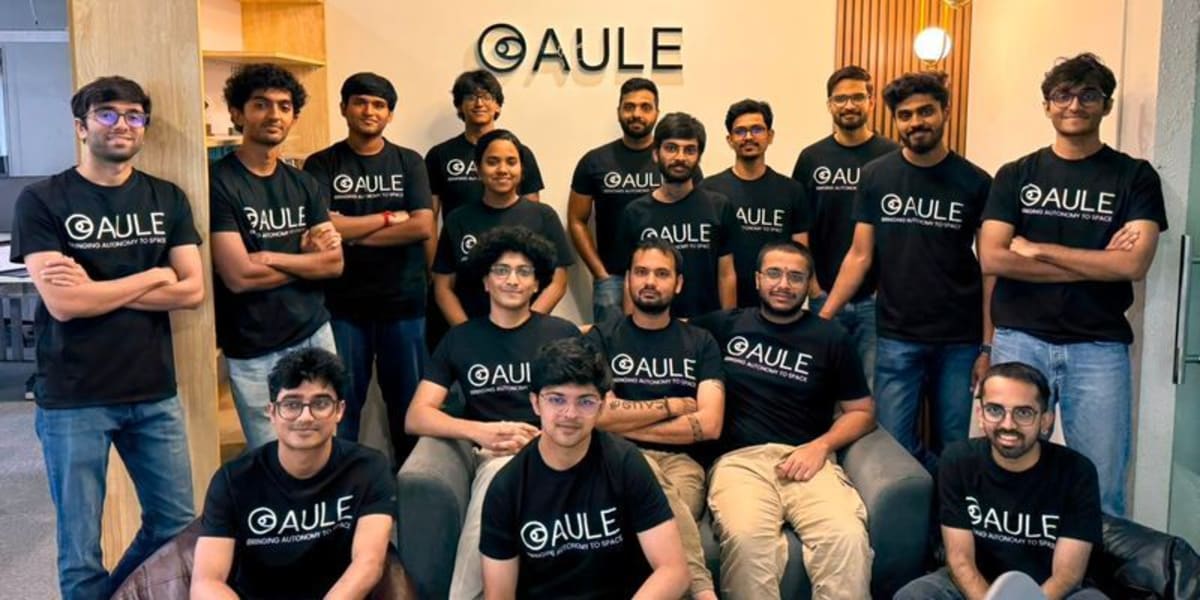
Now those pioneers, Skyroot Aerospace and Dhruva Space, have sparked something bigger. Around 95 spacetech startups now call Hyderabad home, with 12 to 15 new companies launching just in the past two years.
The new wave includes companies tackling orbital computing, satellite cybersecurity, space debris removal, and critical spacecraft components. Many founders are former scientists from India's space agency ISRO or early employees from the successful startups that came before them.
Together, these companies have raised over $331 million in funding. Skyroot and Dhruva account for nearly half that total, but the spread of investment shows how the ecosystem has matured.
The early struggles were real. Chaitanya Dora, co-founder of Dhruva Space, pitched 163 investors before getting his first yes. Today's founders face a completely different landscape, with conversations focused on business models and global competitiveness rather than whether the market even exists.
Hyderabad offers something special: aerospace infrastructure, manufacturing capabilities, testing facilities, and strong universities all in one place. Organizations like T-Hub and T-Works provide support that helps new companies get off the ground faster.
The Ripple Effect
The success is creating a knowledge-sharing culture that lifts everyone. Companies aren't competing with each other but collaborating to offer the world a complete package of space capabilities from one Indian city.
Investors who once avoided the sector are now paying attention. Beyond specialized space funds like Bluehill Capital and Pavestone, mainstream venture investors and family offices are evaluating opportunities they would have passed on five years ago.
The funding environment still has gaps. Seed and early-stage capital flows reasonably well, but growth-stage investors struggle to understand the unique milestones of deep tech space companies, which need years to prove technology in orbit before generating serious revenue.
Government programs like IN-SPACe and the Technology Adoption Fund help bridge those gaps. But founders agree the real test comes from moving beyond government contracts to commercial customers who will pay for proven technology.
That shift is already happening. Hyderabad spacetech companies are landing international customers and partners, competing on both manufacturing scale and cutting-edge technology. Red Balloon Aerospace, Astro Voltaics, and others report strong interest from overseas buyers.
The ecosystem still needs policy support and patient capital to keep pace as companies move from experiments to commercial operations. But the foundation is solid, built on real companies solving real problems for customers around the world.
India is proving that space innovation doesn't require Silicon Valley, and Hyderabad is writing the playbook for how emerging tech hubs can reach for the stars.
More Images




Based on reporting by Google News - Startup Success
This story was written by BrightWire based on verified news reports.
Spread the positivity!
Share this good news with someone who needs it