This Startup Built a 'Jetpack' to Save $100B in Satellites
Hundreds of millions of dollars worth of satellites get abandoned in space simply because they run out of fuel. A 25-year-old in Bengaluru just figured out how to rescue them.
Imagine parking your car at the mall, running out of gas, and just leaving it there forever. That's essentially what happens to satellites worth hundreds of millions of dollars when their fuel runs dry.
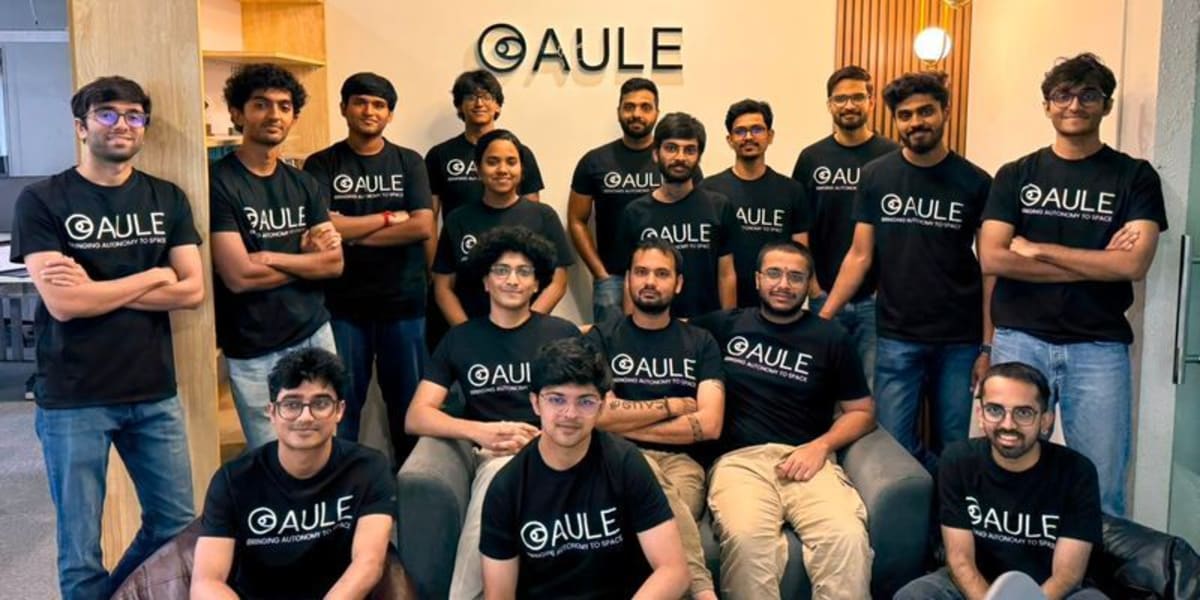
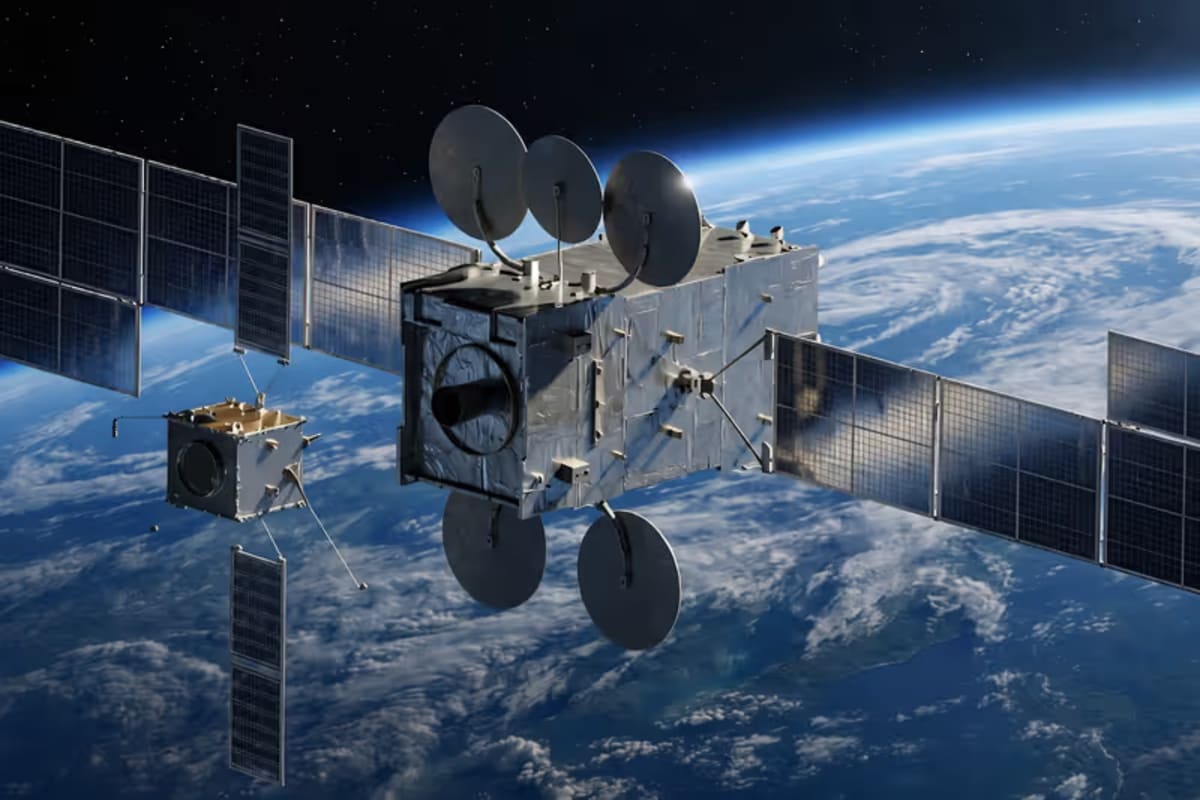
Jay Panchal thinks that's ridiculous. The 25-year-old CEO of Aule Space has spent the past 18 months building what he calls a "jetpack satellite" that can dock with these stranded spacecraft and give them a second life.
Here's how it works: Aule's spacecraft launches into orbit, finds a satellite that's run out of fuel, attaches itself, and uses its own propulsion to keep the satellite operating for five more years. No astronaut rescue missions required.
The numbers tell the story of why this matters. There are roughly 320 privately-owned communication satellites orbiting Earth right now, worth over $100 billion combined. About 20 to 25 of them run out of fuel every year and get abandoned, even though they're still perfectly functional.
Launching a replacement satellite costs hundreds of millions of dollars. Aule's solution costs roughly 20 times less than previous rescue attempts.
The Bengaluru startup just raised $2 million and has already validated its technology at ISRO's facilities. They've reached Technology Readiness Level 6 on NASA's scale, where 9 means ready for commercial deployment.
What makes Aule's approach special is that they're tackling something incredibly difficult. India's ISRO achieved satellite docking in 2024, but those satellites were designed to dock with each other. Aule is attempting to dock with satellites that have no docking interfaces at all.
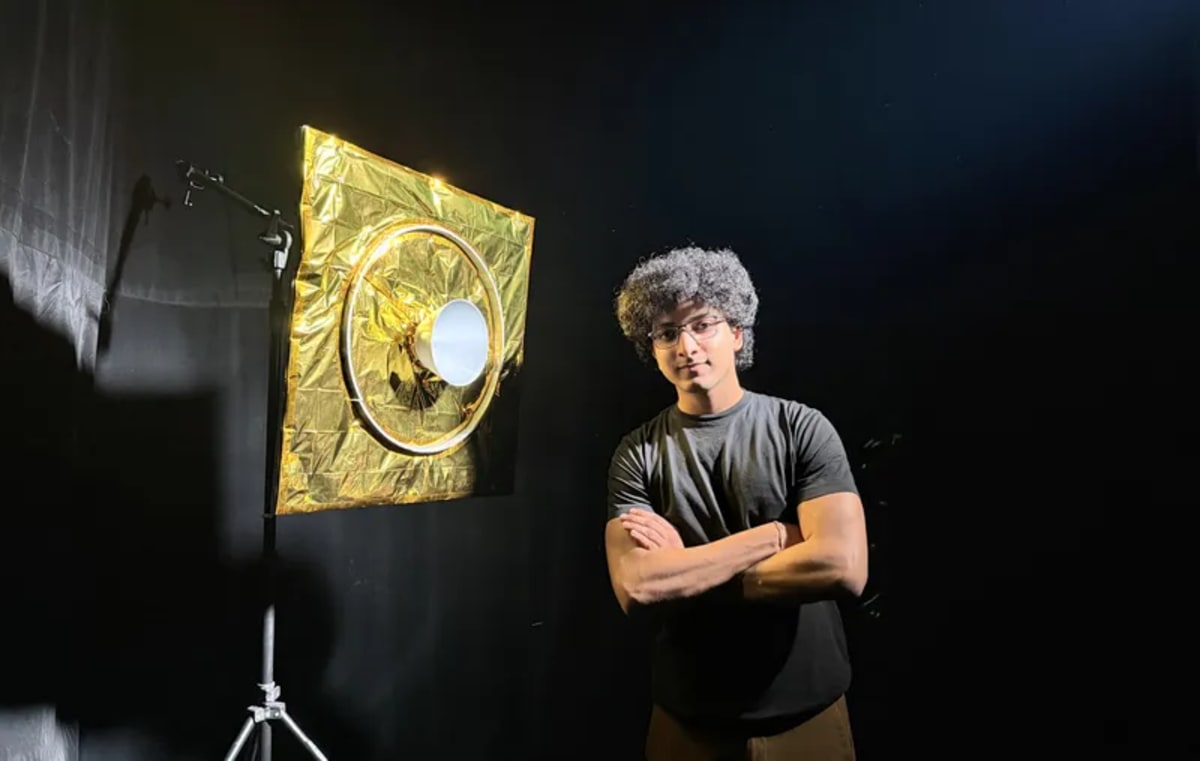
Their secret weapon is computer vision. Instead of expensive LiDAR or radar systems, they use cameras and AI to understand a satellite's position and orientation in space. They've built dark rooms with sun simulators and air-bearing platforms that recreate the conditions of space to train their systems.
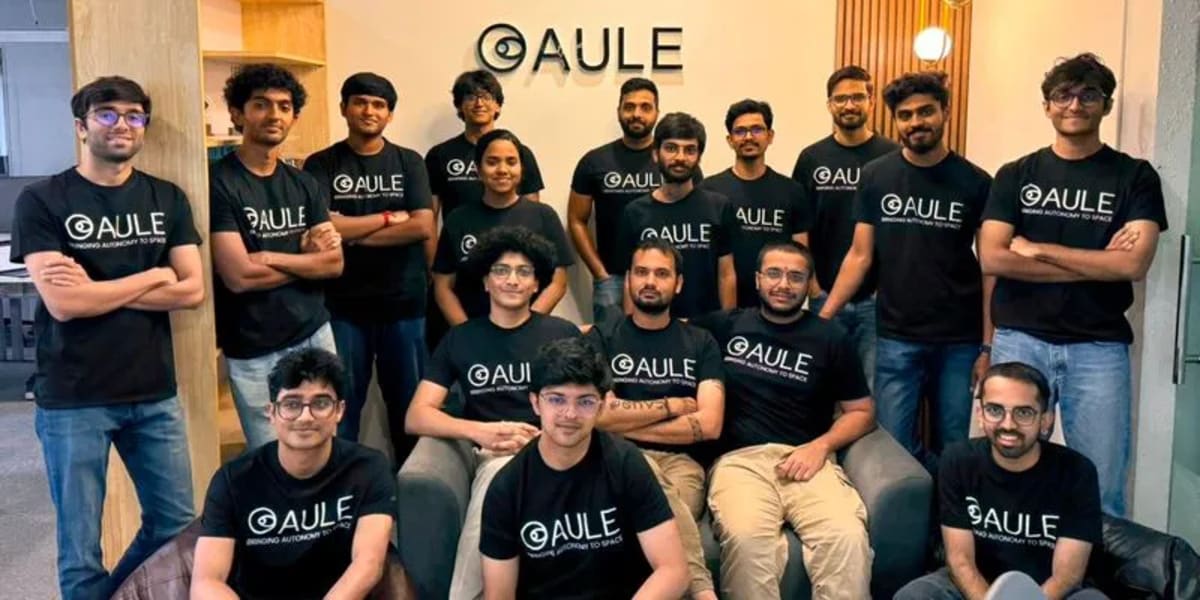
The team includes engineers from Pixxel, Skyroot, and ISRO itself. Advisors who worked on India's docking missions and communication satellites are helping guide the project.
The Ripple Effect
One servicing satellite can help multiple customers throughout its life. It might dock with one satellite, extend its life by two years, detach, and move on to the next customer. This could fundamentally change how we think about space infrastructure.
The on-orbit satellite servicing market is expected to reach $5.5 billion by 2030. Aule plans to demonstrate orbital docking next year, which would make them one of only two companies globally to achieve this capability. The only other company that's done it is Northrop Grumman, an American aerospace giant that pulled it off in 2020.
Manish Singhal from pi Ventures, Aule's lead investor, believes the startup will start signing commercial contracts within two to three years. At a fraction of the cost of previous missions, they're making satellite rescue economically viable for the first time.
Space doesn't have to be a graveyard for perfectly good technology anymore.
More Images

Based on reporting by YourStory India
This story was written by BrightWire based on verified news reports.
Spread the positivity!
Share this good news with someone who needs it