India's Top Court Drops Charges Against Student Protesters
India's Supreme Court ordered states to withdraw criminal cases against students who protested NEET exam irregularities. The decision marks a major victory for youth activists who demanded accountability in the country's medical school entrance testing system.
Thousands of Indian students who took to the streets demanding fair medical school entrance exams just won a stunning legal victory.
India's Supreme Court ordered states across the country to close or withdraw all criminal cases filed against students who participated in protests over NEET exam irregularities. The decision came down on August 3, 2026, ending months of uncertainty for young activists who faced serious legal consequences for speaking out.
NEET, the National Eligibility cum Entrance Test, determines admission to medical schools across India. When students discovered widespread irregularities including paper leaks, they organized protests that swept the nation, with thousands gathering at iconic protest site Jantar Mantar in New Delhi.
State authorities responded by filing FIRs (First Information Reports) against many protesters. These criminal complaints hung over students' futures, potentially affecting their educational and career prospects.
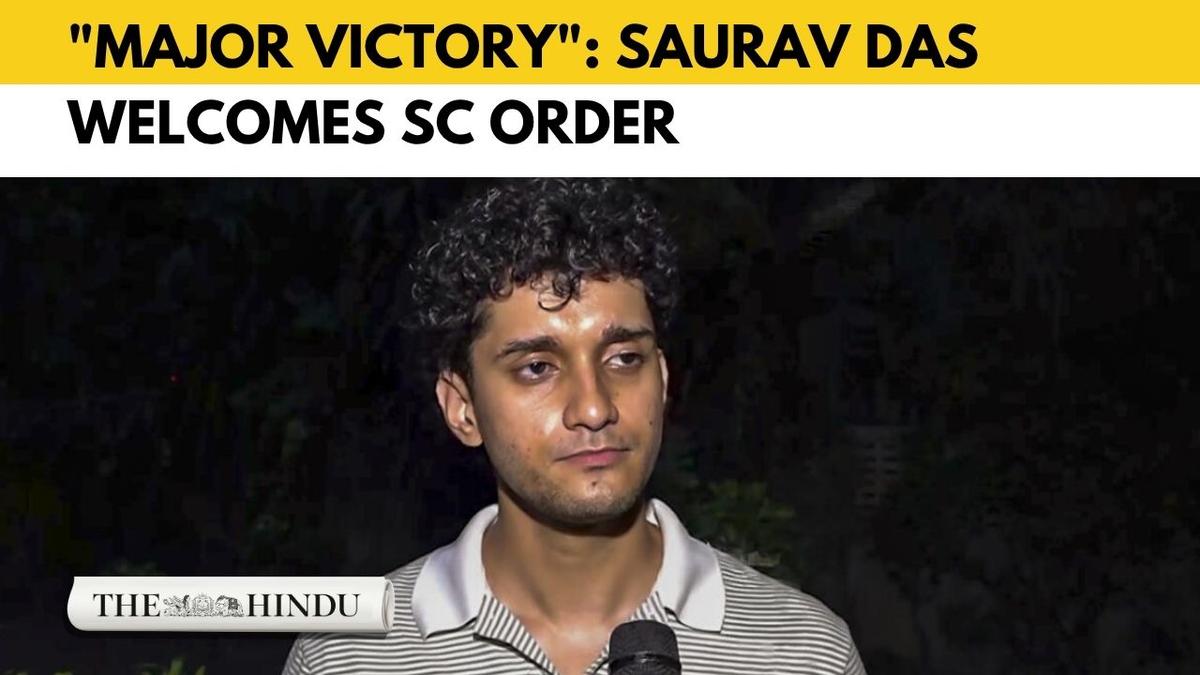
Saurav Das, spokesperson for Citizens for Justice and Peace, called the Supreme Court's intervention a major victory. The ruling sends a clear message that peaceful protest remains a protected right, even when young people challenge powerful institutions.
The Ripple Effect
The decision does more than clear individual student records. It reinforces the fundamental right to peaceful protest in the world's largest democracy, particularly for young people demanding transparency in systems that shape their futures.
The student movement that sparked these protests transformed India's political landscape. What began as frustration over exam leaks evolved into a broader Gen Z movement demanding accountability from institutions. Young protesters used social media to organize, creating a template for youth activism that's already inspiring similar movements.
The Supreme Court's ruling validates their courage and creates legal precedent protecting future student activists. Universities and colleges across India are now watching closely, recognizing that students have both voice and constitutional protection when they use it.
This victory arrives as India prepares for its 2027 national census and continues grappling with education reform. Students proved they can hold institutions accountable without sacrificing their own futures in the process.
Justice prevailed for India's students who refused to stay silent about corruption in their education system.
Based on reporting by The Hindu
This story was written by BrightWire based on verified news reports.
Spread the positivity!
Share this good news with someone who needs it