India's Villages Turn Tourism Into Local Income
Rural artisans and tribal communities across India are hosting tourists directly in their homes and villages, keeping tourism dollars local while sharing their crafts and traditions. The shift is transforming how communities value their own culture and creating year-round income.
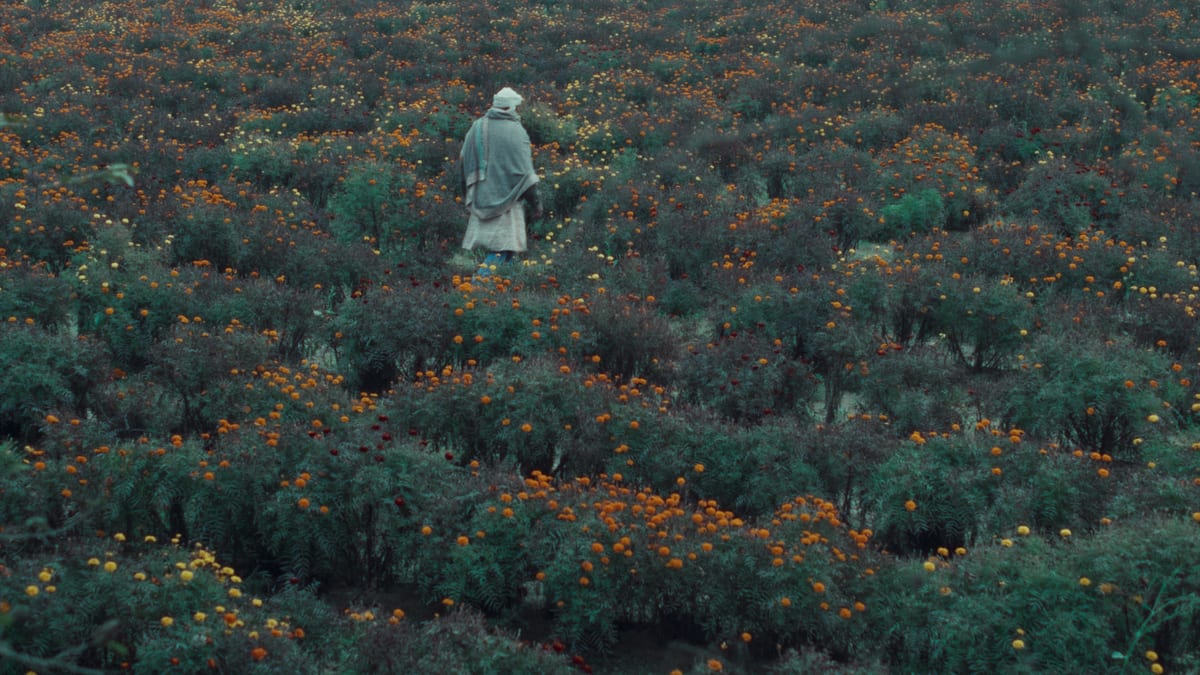
When Gulab ji first welcomed city visitors to his forest home in Rajasthan, he served tea with store-bought sugar instead of the kakab sweetener his family makes from their own sugarcane. He assumed outsiders would expect something different, something better.
That instinct to apologize for local traditions is shifting across rural India. Now, Gulab ji serves guests ragi ki raab, made from finger millet and jaggery grown on his own land.
Communities are discovering their everyday lives hold value for travelers. Artisans host visitors in their homes instead of being displayed at craft festivals. Tribal families teach food traditions directly to guests. Women learn foreign languages to guide tourists through their own cities instead of watching others profit from their neighborhoods.
The numbers tell a promising story. Global tourism is projected to contribute $16 trillion to GDP by 2034, with cultural tourism alone reaching $2.6 trillion by 2035. But too often, small businesses and local artisans miss out on high-value visitor spending while intermediaries capture the margins.
Jaipur Rugs Foundation created Rural Experiences to change that model. The program brings visitors into artisan villages so income reaches not just rug weavers but potters and bangle makers too. When a buyer sits in a weaver's home and watches a rug being knotted, they value that rug differently than one seen only in a showroom.
Bimla Devi, a Rajasthan weaver, once only made designs created by qualified artists. Through a creative program called Manchaha, she designed a rug from her own memory. Her Kamal rug won the German Design Award, repositioning her as an author with global standing.
Pink City Rickshaw Company recruits women from low-income households as drivers and shareholders in the collective. Alliance Française Jaipur is now training these women in tourism-focused French. They can host cultural evenings in their homes, welcome French-speaking travelers year-round, and work with hotels needing local contacts.
The Ripple Effect
This shift creates income infrastructure that communities own and control. Language skills turn into year-round work beyond the six-month tourist season. A single weaver's success lifts visibility for entire villages. Women who were invisible in the value chain become essential guides to their own cities.
The tea Gulab ji serves now comes from his own land, sweetened with confidence in what his community has always known.
More Images


Based on reporting by Google News - Economic Growth
This story was written by BrightWire based on verified news reports.
Spread the positivity!
Share this good news with someone who needs it