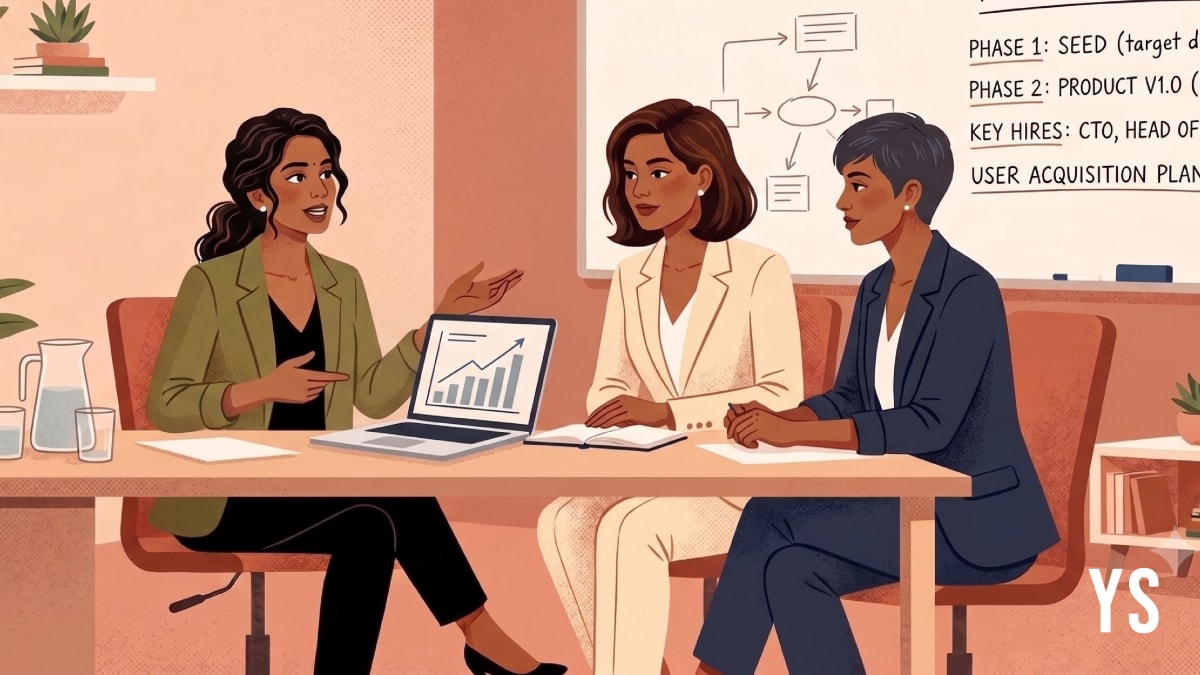
India's Women-Led Businesses Face $150B Credit Gap
Women in India run 20% of small businesses and repay loans at higher rates than men, yet they face a $150 billion credit gap. Financial institutions are missing a massive, low-risk opportunity by sticking to outdated lending rules.
Women entrepreneurs in India have proven they're great at business, but the banking system hasn't caught up with their success.
Here's what the numbers show: women own more than 20% of India's small and medium businesses and make up 99% of microfinance borrowers. They've built strong track records with consistent repayment rates that beat their male counterparts. Yet when these same business owners try to grow beyond the startup phase, traditional banks often say no.
The gap is staggering. The International Finance Corporation estimates that women-owned businesses in India need $150 billion more in credit than they're currently getting. This isn't about risky ventures or unproven ideas. These are established companies with five or more years of solid sales, tax records, and real customers.
The problem lies in how banks decide who gets loans. Most lending decisions still rely heavily on property ownership and traditional credit histories. But many successful women-led businesses are asset-light, service-based companies that don't fit the old model. A woman who's grown her company's revenue steadily for years gets turned down because she doesn't own the collateral a bank wants to see.
Prema Jaiswal, a senior vice president at alternative credit platform BlackSoil, points out that banks already have better tools to assess risk. GST data, cash flow records, and supply chain relationships tell a clearer story than property titles. The technology exists, and it just needs to be applied.
The Ripple Effect
When women entrepreneurs get the funding they need, the impact goes far beyond individual businesses. Studies show women-led companies create more jobs per dollar invested and reinvest more profits back into their communities. They also tend to hire more women, creating a multiplier effect for economic opportunity.
The banks that figure this out first won't just be doing good, they'll be doing smart business. Women-led enterprises show lower default rates and more conservative spending patterns, making them actually less risky than many traditional borrowers.
India's economic future depends on its mid-market businesses growing and thriving. Women are leading many of these companies, whether or not banks show up to support them. The only question is whether financial institutions will help write this next chapter of India's growth story or watch it happen from the sidelines.
More Images


Based on reporting by YourStory India
This story was written by BrightWire based on verified news reports.
Spread the positivity!
Share this good news with someone who needs it