India's Women's Quota Bill Sparks Hope Amid Electoral Debate
India's groundbreaking plan to reserve a third of parliamentary seats for women has united parties on gender equality, even as they navigate complex questions about fair representation. The 2023 bill represents a historic step toward closing a gap where women currently hold just 14% of seats.
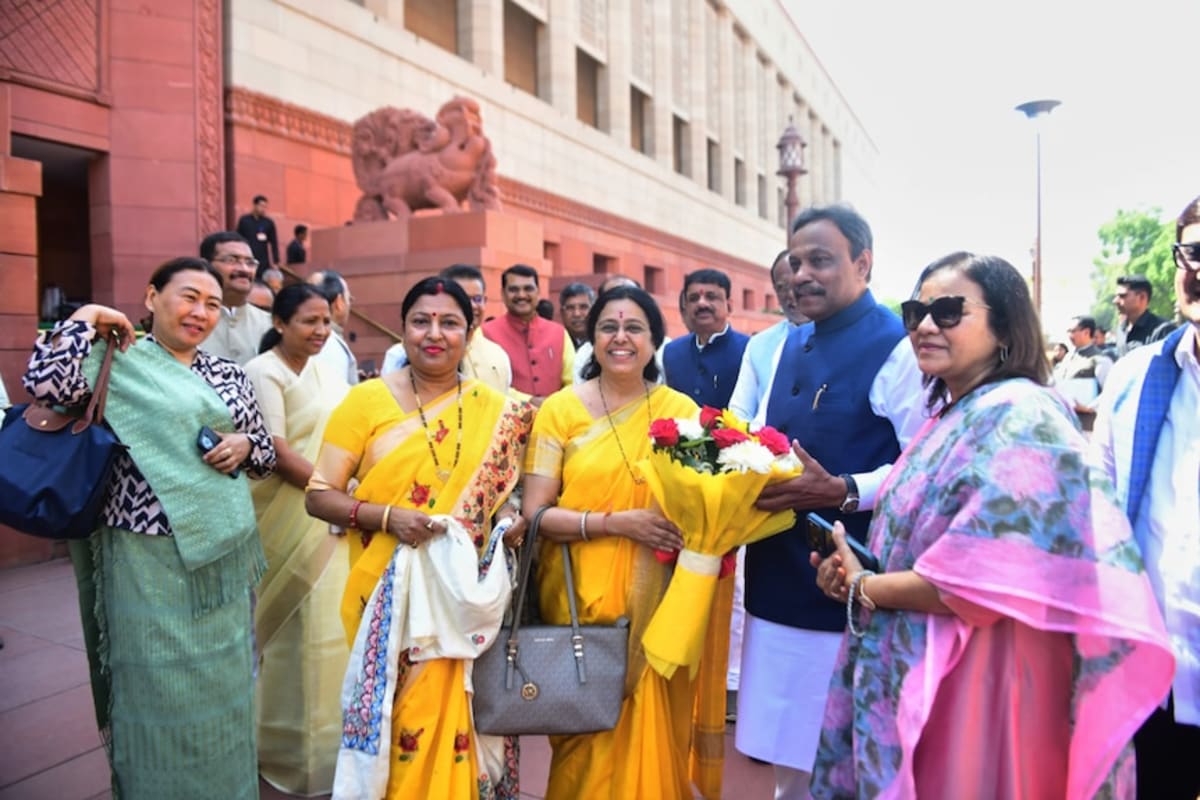
India took a bold step toward gender equality in 2023 when it passed the Women's Reservation Bill, guaranteeing women a third of all parliamentary seats. The move earned widespread support across political parties, signaling rare unity on empowering women in one of the world's largest democracies.
But implementing this historic change requires updating India's electoral map for the first time since the 1970s. The population has shifted dramatically in five decades, and any changes to constituency boundaries must reflect current demographics.
Here's where the conversation gets interesting. Northern states now account for 40 to 50 percent of India's population, compared to about 20 percent in the south. Redrawing boundaries based on these numbers would likely shift seats northward.
Southern states have successfully slowed population growth while building strong economies. Leaders there argue that population-based redistricting penalizes their progress and could dilute their voice in national decisions.
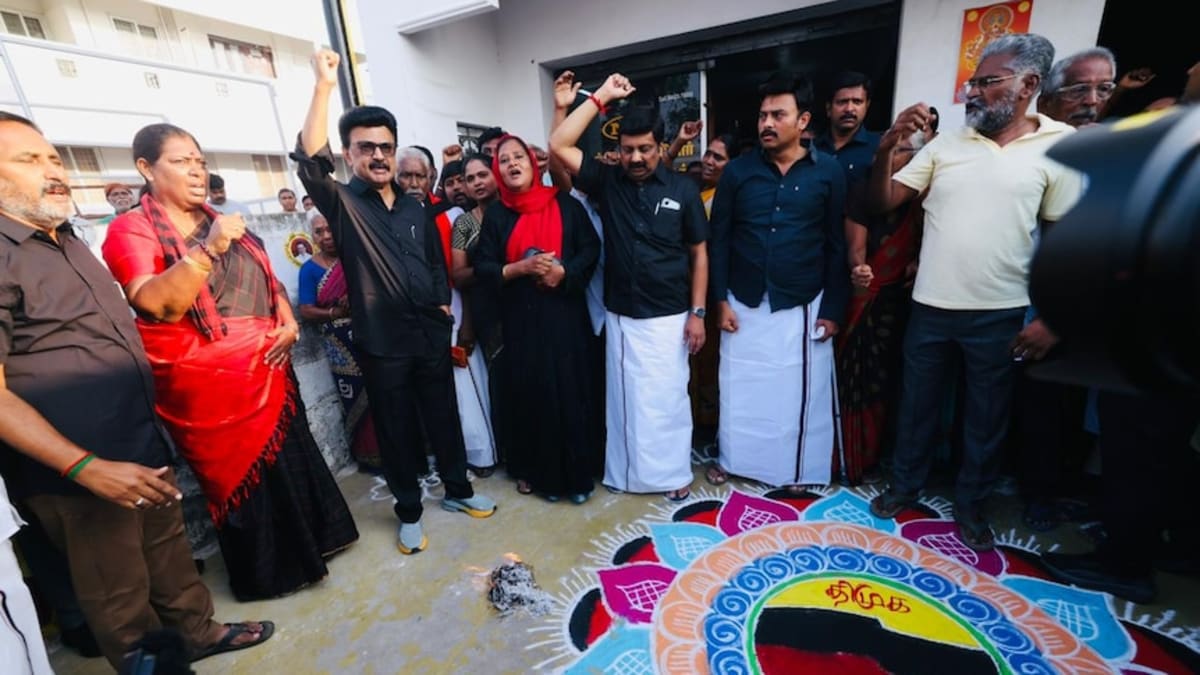
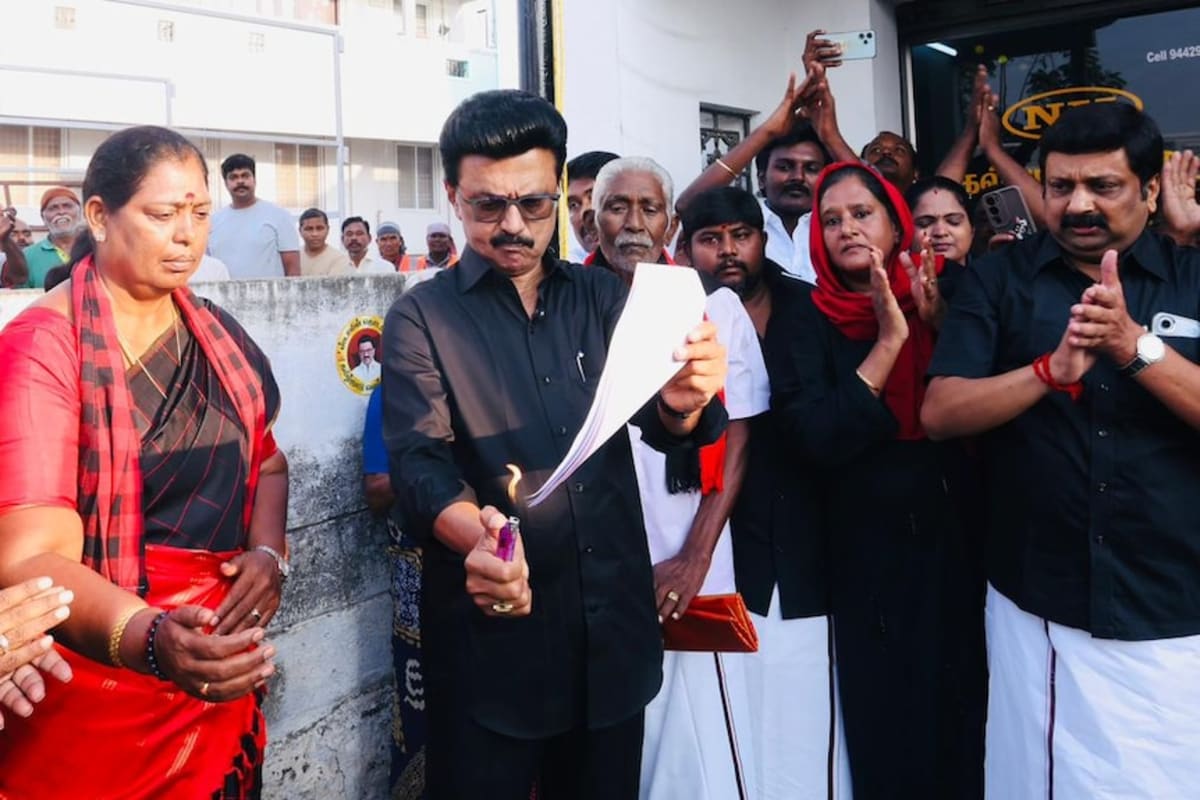
When the government attempted to pass delimitation bills last week to pave the way for women's quotas, they fell short of the required two-thirds majority. Opposition parties who support women's representation wanted more time to ensure fairness across regions.
Prime Minister Modi's government maintains that no state will face discrimination and that rebalancing parliament serves the whole country. Home Affairs Minister Amit Shah emphasized the need to avoid fragmenting India through regional divisions.
Why This Inspires
Despite the heated debate, something remarkable is happening. Every major party agrees that women deserve far greater representation in India's parliament. That consensus alone marks significant progress in a country where women have long been underrepresented in government.
The current disagreement isn't about whether women should have more power, but about how to implement that change fairly. Political leaders are grappling with complex questions about representation, regional equity, and rewarding states that have achieved development goals.
Professor Manisha Priyam from Monash University notes that many citizens are still learning about the delimitation process. As understanding grows, there's hope for solutions that both empower women and respect regional concerns.
The fact that women's representation remains at the center of national conversation keeps momentum building. Parties may differ on timing and method, but they've committed publicly to tripling women's presence in parliament.
India's vibrant democracy is doing what healthy democracies do: debating how to balance competing values while moving toward greater equality for all its citizens.
More Images
Based on reporting by ABC Australia
This story was written by BrightWire based on verified news reports.
Spread the positivity!
Share this good news with someone who needs it