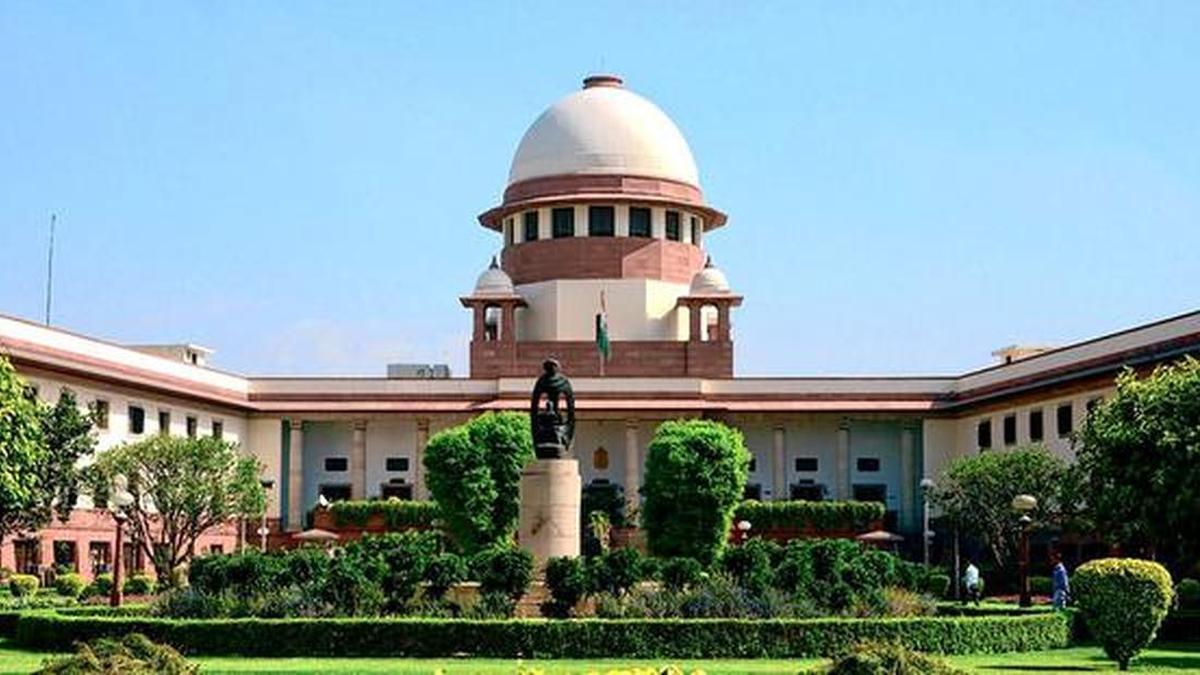
Supreme Court Pushes Hospitals to Treat Low-Income Patients
India's Supreme Court is enforcing a 2018 ruling requiring hospitals that received subsidized land to provide free emergency care to low-income families. The court issued contempt proceedings after one hospital falsely claimed it never received notice about the requirement.
India's highest court is making sure hospitals keep their promise to care for the poorest patients, no matter what.
The Supreme Court issued contempt proceedings against Yatharth Super Speciality Hospital after it failed to respond to notices about creating procedures for treating economically weaker section (EWS) patients. The hospital claimed it never received any notice, but court records from April 2026 proved otherwise.
The case centers on a landmark 2018 Supreme Court judgment. Hospitals that received land at reduced rates from the government must provide free treatment to low-income patients: 10% of inpatient care and 25% of outpatient care must be reserved for EWS families.
Senior advocate Sanjay Jain, representing the public interest, told the court that only 12 out of 52 hospitals showed up to help draft standard operating procedures. The other 40 hospitals simply didn't participate in the consultation process.
The court gave hospitals two more weeks to submit their responses and suggestions. Several hospitals asked for additional time to file proper feedback on the revised procedures.
The Ripple Effect
This enforcement matters for millions of Indian families who struggle to afford basic medical care. The 2018 ruling created a pathway for low-income patients to access quality healthcare at top hospitals, not just government facilities.
When hospitals receive land at bargain prices, taxpayers essentially subsidize their construction. Requiring these hospitals to serve economically disadvantaged patients ensures public resources create public benefit.
The Supreme Court's firm stance sends a clear message: hospitals can't ignore their obligations to vulnerable communities. By holding institutions accountable and rejecting false claims about missing notices, the court protects the rights of patients who need help most.
The case returns to court on September 30, when judges will review hospital responses and finalize the standard operating procedures. Once implemented, these guidelines will make it easier for low-income families to access the emergency care they deserve.
Based on reporting by The Hindu
This story was written by BrightWire based on verified news reports.
Spread the positivity!
Share this good news with someone who needs it