Mumbai Dogs Get QR Collars After Campus Pup Goes Viral
A dog who crashed an IIT Bombay lecture sparked a citywide system to track, vaccinate, and protect thousands of stray dogs using QR-enabled collars. What started as one campus's solution is now helping an entire city care for its community animals.
When a dog wandered into an IIT Bombay lecture hall in February 2026, hopped onto a desk, and stared at students like he belonged there, nobody expected him to change how an entire city cares for stray animals. But "Dogesh Bhai," as the internet named him, raised a question that wouldn't go away: with thousands of free-roaming dogs on campus and across Mumbai, how do you keep track of who's been vaccinated, sterilized, and cared for?
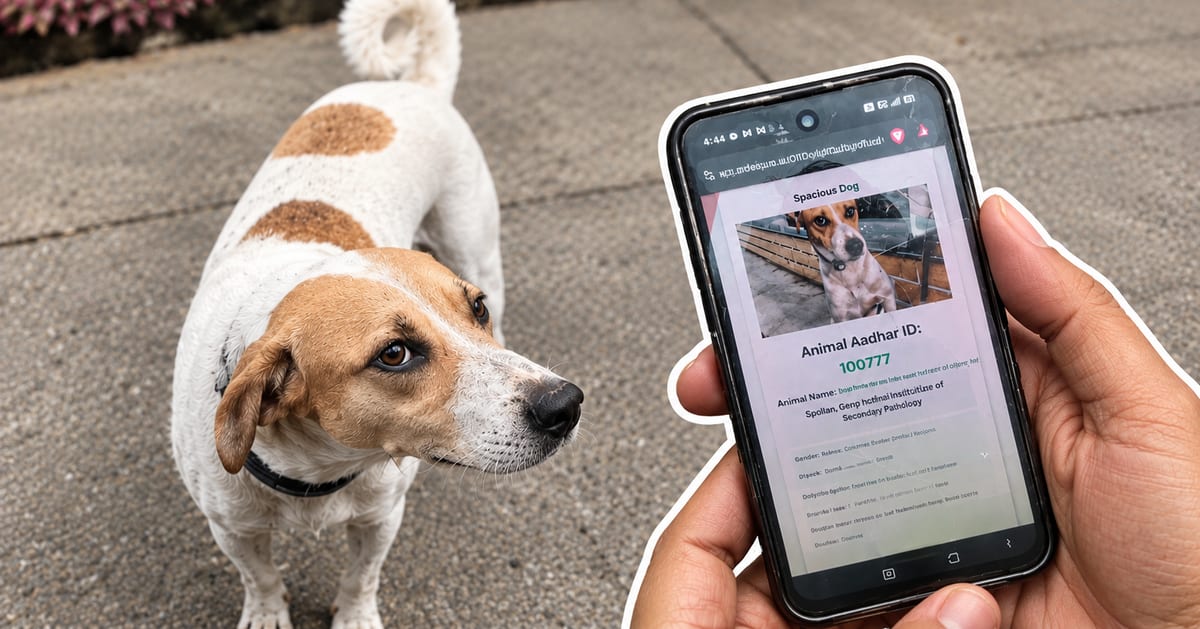
IIT Bombay found an answer that's beautifully simple. The university started fitting campus strays with reflective collars carrying QR codes linked to each dog's medical records, location history, and vaccination status.
Scan the code with your phone and you instantly see the dog's full story. You learn whether it's been vaccinated against rabies, where it's been spotted before, and who's looking out for it. That single detail helps students, feeders, and campus security decide how to interact with the dog safely.
The system turned years of volunteer work into something official and trackable. Student groups had long pushed for sterilization and vaccination drives as the only sustainable way to manage campus dogs, and now their efforts had digital proof behind them.
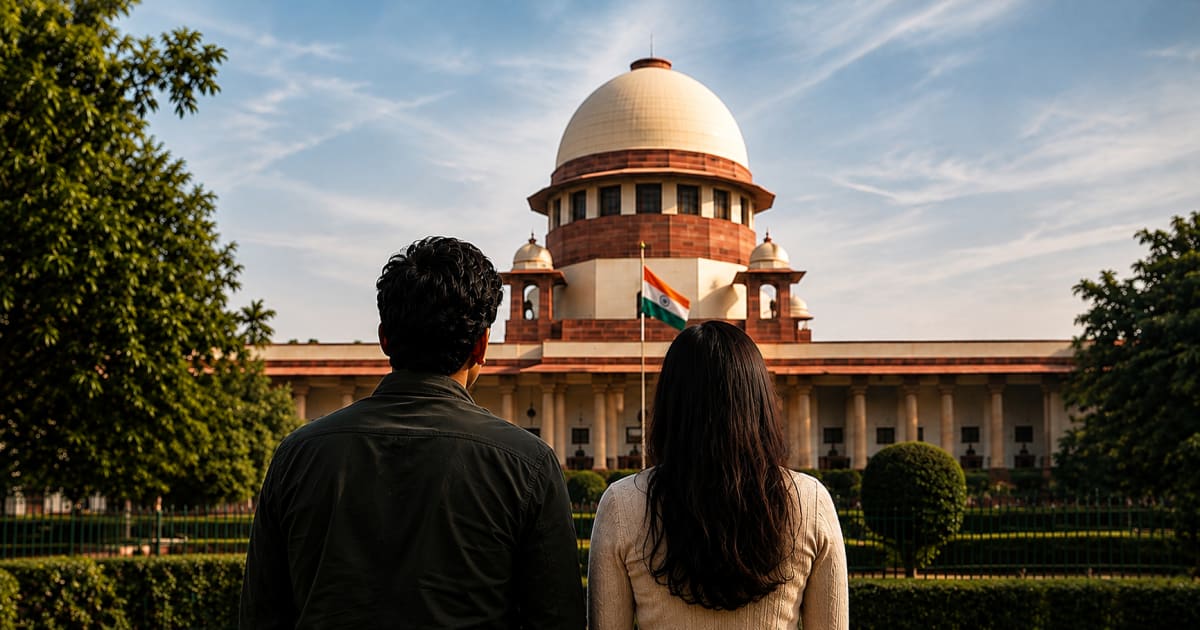
The timing mattered. In May 2026, India's Supreme Court ordered every municipal body to sterilize, vaccinate, and systematically record stray dogs under their care. Cities could no longer rely on ad hoc removals. They needed auditable, digital records.
Mumbai's civic body took notice. On August 20, 2026, the Brihanmumbai Municipal Corporation partnered with the Ridlan AI Foundation to bring QR collars to strays across the entire city.
The foundation's founder, Akshay Ridlan, built the original system in 2020 after his own street dog went missing. He realized there was no easy way for strangers to identify a community dog or access its medical history. What began as a personal project to reunite lost dogs with their feeders is now official city infrastructure.
The Ripple Effect
For Mumbai officials, a scanned collar now instantly confirms whether a dog has been sterilized and vaccinated. That cuts down on repeat captures of the same animal and gives feeders documented proof that their dog is accounted for. It's the kind of quiet governance that actually works.
The system also protects dogs who become internet famous for a day and then disappear from public memory. Dogesh Bhai might not be trending anymore, but his collar means he's still protected, tracked, and cared for long after the cameras stop rolling.
Residents can help too. If you see a dog that needs attention, report it to your municipal helpline with a photo and location. If the dog has a collar, scan it first to check whether it's already been vaccinated. Feed community dogs at consistent times and places, away from building entrances and school gates. Small actions like these make the system work for everyone.
What started with one curious pup in a classroom is now helping thousands of dogs across Mumbai live safer, healthier lives.
More Images
%2Fenglish-betterindia%2Fmedia%2Fmedia_files%2F2026%2F09%2F09%2F1-2026-09-09-15-12-59.png)
%2Ffilters%3Aformat(webp)%2Fenglish-betterindia%2Fmedia%2Fmedia_files%2F2026%2F09%2F09%2F2-2026-09-09-15-18-31.jpeg)
%2Ffilters%3Aformat(webp)%2Fenglish-betterindia%2Fmedia%2Fmedia_files%2F2026%2F09%2F09%2F3-2026-09-09-15-19-31.jpeg)
Based on reporting by The Better India
This story was written by BrightWire based on verified news reports.
Spread the positivity!
Share this good news with someone who needs it