India's 'World Cup Cicada' Emerges Every Four Years
In a remote Indian village, millions of rare cicadas emerge from underground every four years, perfectly timed with the World Cup. For generations, this natural wonder has marked time and brought communities together in celebration.
In Saiden village, tucked into the hills of northeastern India, people don't just count down to the World Cup. They listen for it.
Every four years, millions of niangtaser cicadas emerge from the soil after spending four years underground, filling the forests of Meghalaya state with song. The timing matches the World Cup so perfectly that villagers have used both events to mark time for generations.
"Every four years the World Cup comes and so does the niangtaser," says Evansis Jones Myrthong, the village chief. "For us, they are the same calendar."
As a teenager in the 1990s, Evansis spent evenings collecting cicadas before rushing to watch World Cup matches on the village's only television, a black-and-white set in the school building. Packed rooms of neighbors would stay up until three in the morning, cheering for Italy while the forest hummed outside.
The niangtaser is one of the world's rarest cicadas, found only in this corner of India. When the first rains break the May heat and the forest floor softens, villagers know it's time.
Just after sunset, dozens of people head toward the Nongkhyllem Wildlife Sanctuary carrying torches and handmade bamboo containers called tyndongs. Livingstone "Livi" Marak, a 50-year-old betel leaf farmer, has been doing this his whole life.
"It is part of who we are," he says with a smile.
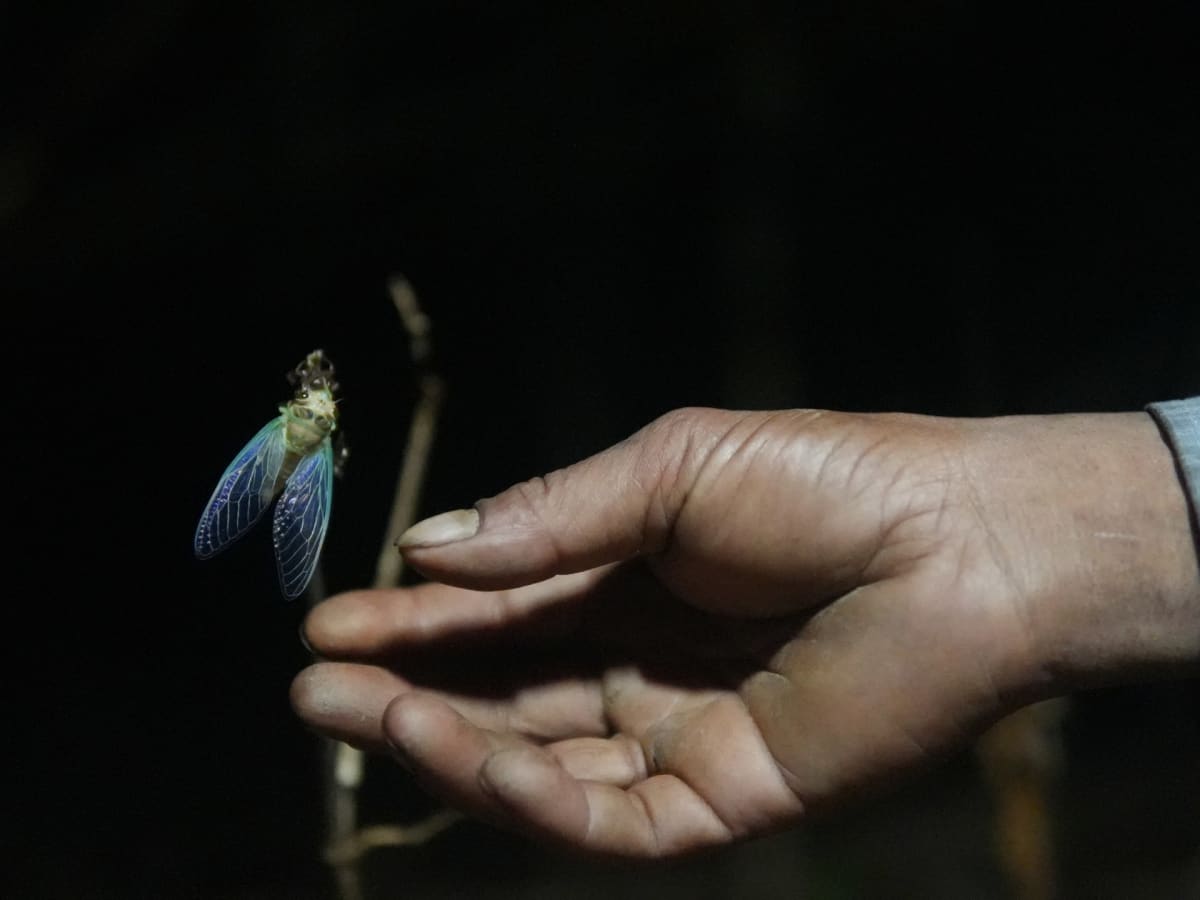
The cicadas don't emerge all at once. The first wave surfaces shortly after dark, their shells still soft and faintly colored with shades of blue and pink. Collectors move quickly through the undergrowth, plucking the insects gently from leaves as a collective hum drifts through the darkness.
The Ripple Effect
This four-year cycle has shaped how entire generations measure their lives. Parents remember which World Cup their children were born during by which cicada season came that year. Farmers time their planting by the insects' return.
The tradition brings the whole community together, young and old, gathering at the forest edge with their torches and containers. In a world where many natural rhythms have been disrupted, this rare cicada keeps its promise, emerging on schedule every four years like clockwork.
The 2026 World Cup is here, and so are the niangtaser, right on time.
Based on reporting by Al Jazeera English
This story was written by BrightWire based on verified news reports.
Spread the positivity!
Share this good news with someone who needs it