Endangered Tiger Twins Born at UK Safari Park
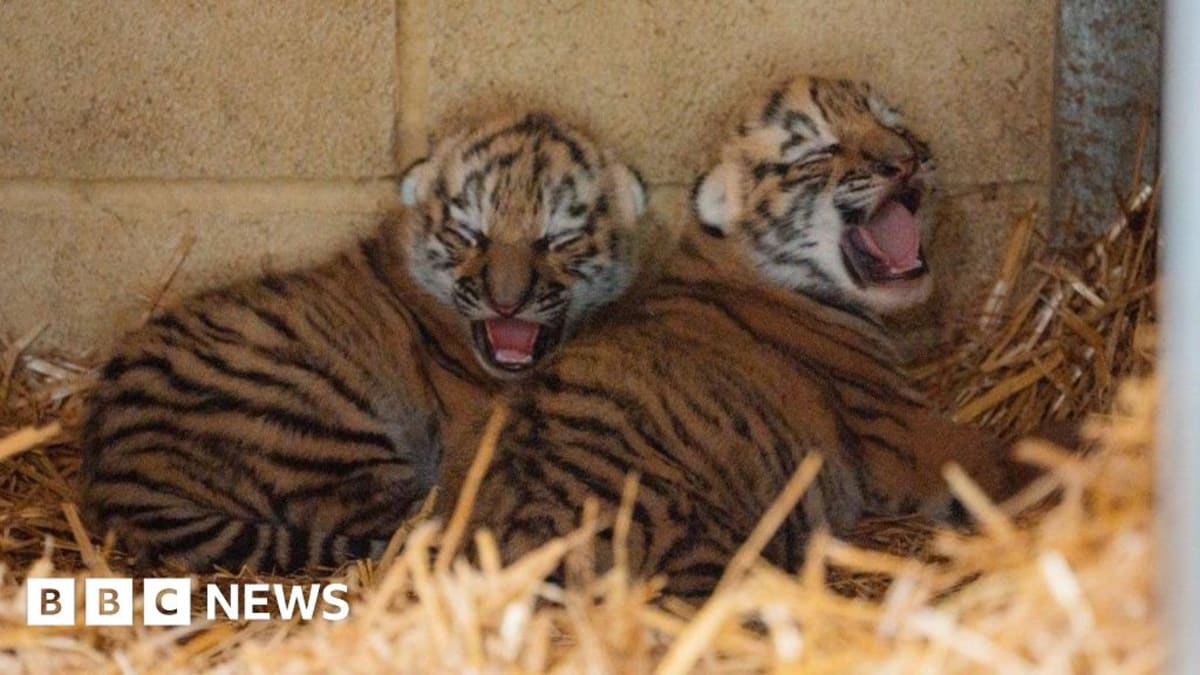
Two rare Amur tiger cubs have been born at Longleat Safari Park in Wiltshire, bringing hope to one of the world's most endangered species. With only 450 Amur tigers left in the wild, every birth counts toward saving these magnificent animals from extinction.
Two tiny tiger cubs are giving the world fresh hope for one of its rarest big cats.
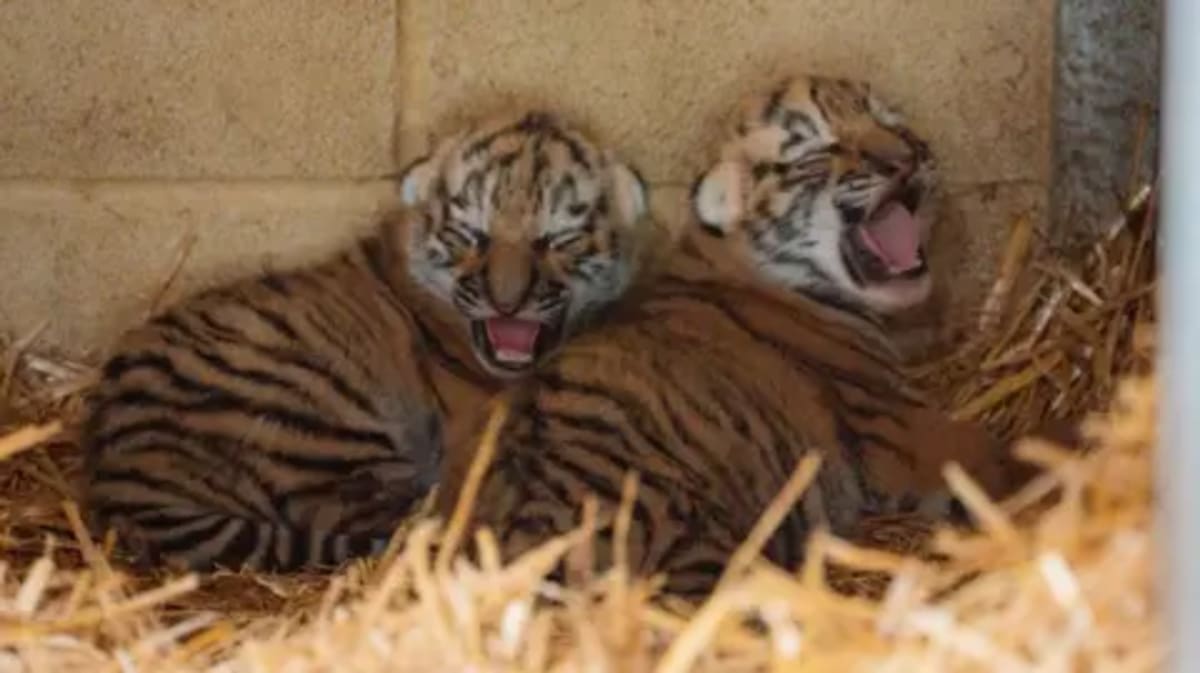
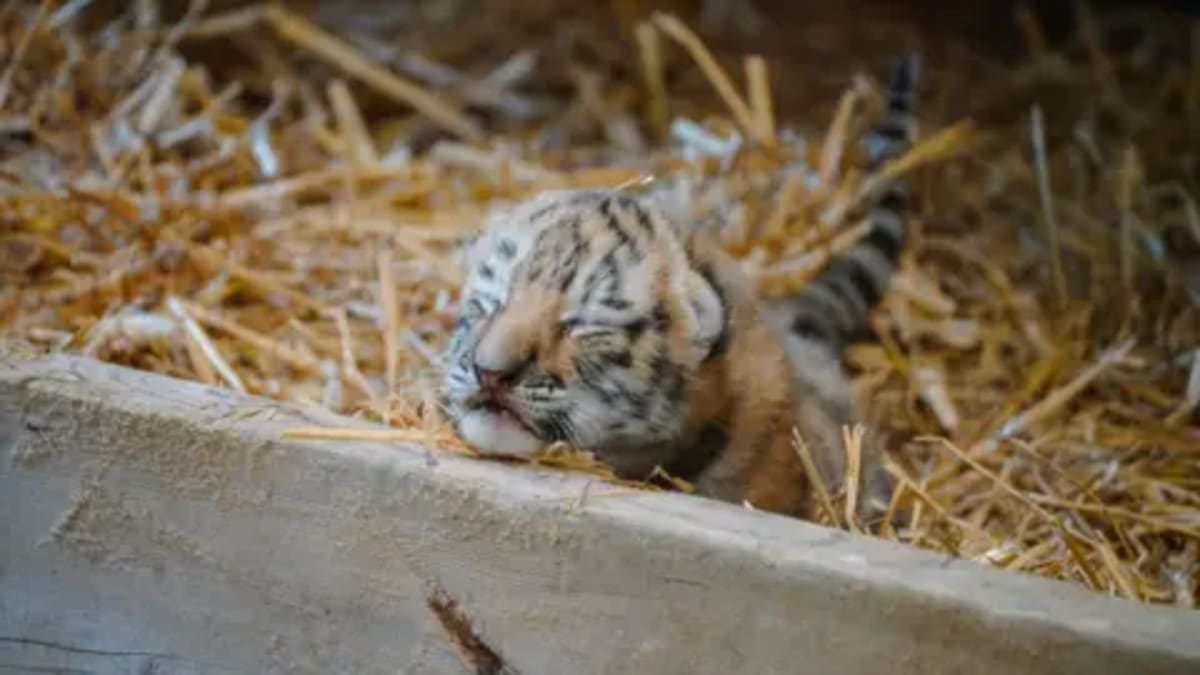
The endangered Amur tiger twins were born at Longleat Safari Park in Wiltshire just two weeks ago to experienced parents Red and Yana. With only about 450 Amur tigers remaining in the wild, these chunky little cubs represent a meaningful step forward for global conservation efforts.
The announcement came on International Tiger Day, marking the third successful litter for the 11-year-old parents. Yana and Red have now raised six cubs together since arriving at Longleat in 2018, establishing themselves as valuable contributors to their species' survival.
Amy Waller, the safari team manager, describes caring for the newborns as a "real privilege." Keepers are giving Yana extra food to ensure she has enough energy to nurse her cubs, though the experienced mother clearly knows what she's doing after successfully raising six previous babies.
The twins will spend their first six months nursing before Yana gradually introduces them to meat. Right now, keepers don't even know if they're boys or girls, as the cubs are too young for close examination.
The Ripple Effect
Longleat now hosts seven Amur tigers, making it the largest family group in the United Kingdom. Three of Yana and Red's previous offspring have already moved to other wildlife collections across Europe as part of the European Endangered Species Programme, which works to maintain healthy captive populations that could one day support wild tiger recovery.
This breeding program matters because Amur tigers face enormous challenges in their native Russian forests. Poaching, habitat loss from logging and forest fires, and limited genetic diversity all threaten their survival. The wild population descended from just a handful of tigers, meaning they're especially vulnerable to new threats like disease or climate change.
Every cub born in conservation programs adds genetic strength and insurance against extinction. When these tigers eventually have cubs of their own, either in captivity or possibly in future rewilding efforts, they'll carry forward the species' precious genetic legacy.
Visitors will need to wait a bit longer before meeting the newest family members. The cubs must receive their vaccinations before venturing into the outdoor Tiger Territory, though Yana may surprise safari guests by moving her babies through areas visible from the drive-through route.
For now, two small tigers are drinking milk, growing stronger, and quietly helping save their species.
More Images

Based on reporting by BBC Science
This story was written by BrightWire based on verified news reports.
Spread the positivity!
Share this good news with someone who needs it