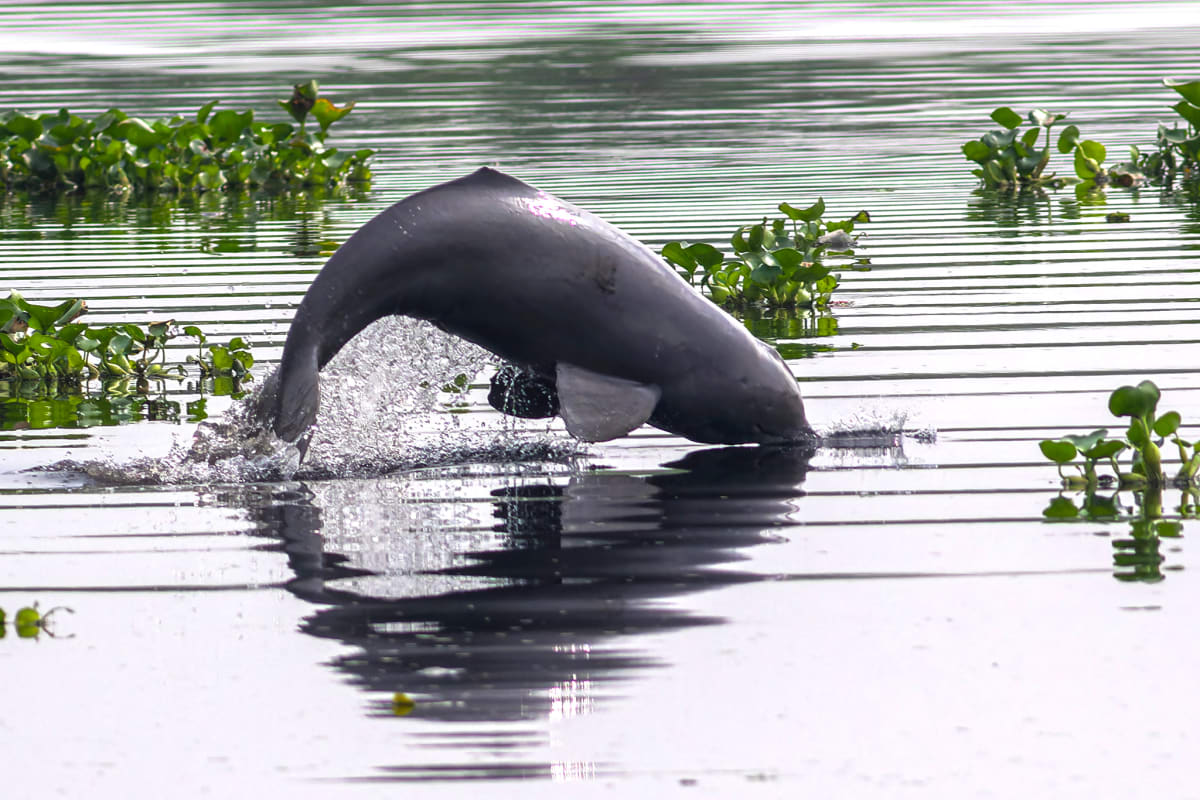
20 Dolphins Survive Bangladesh's Fifth Most Polluted River
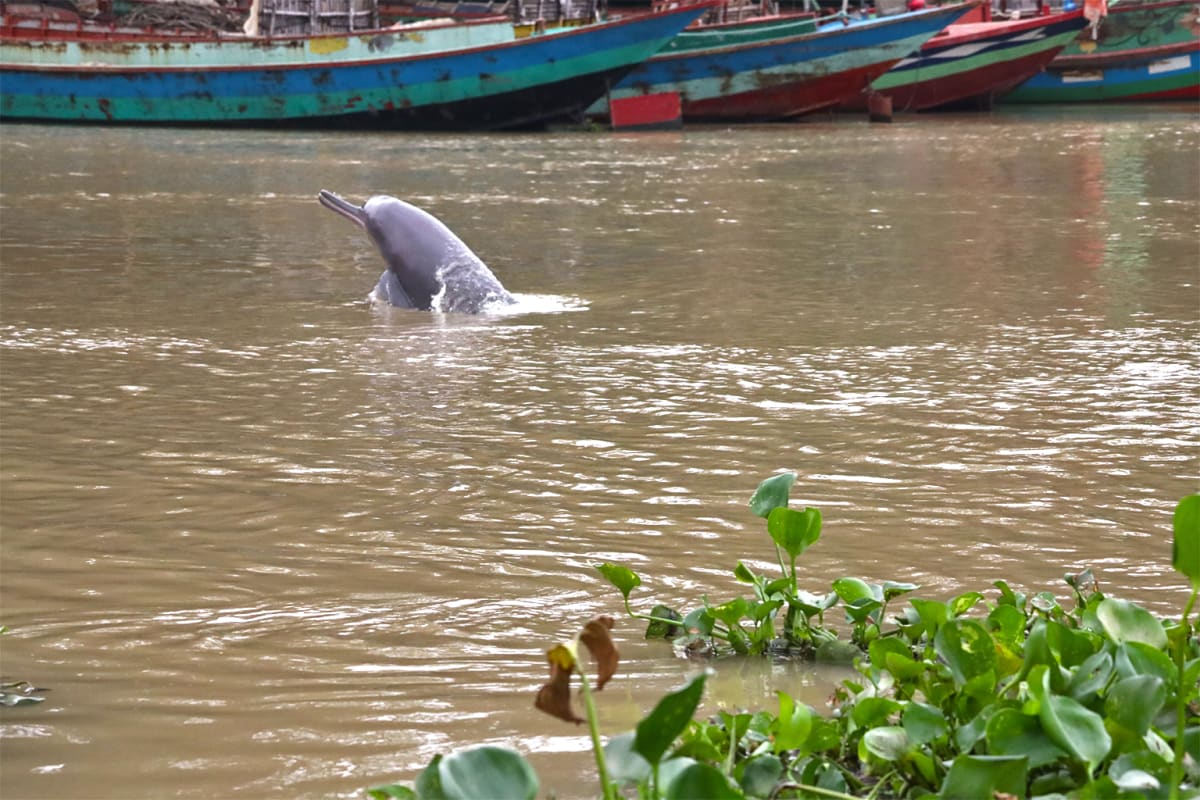
Endangered Ganges river dolphins are thriving in Bangladesh's toxic Buriganga River, one of the world's five most polluted waterways. Despite extreme pollution that has killed off native fish, these resilient mammals continue to hunt, breed, and raise young.
In a river so polluted that native fish have vanished, 20 endangered dolphins have found a way to survive against impossible odds.
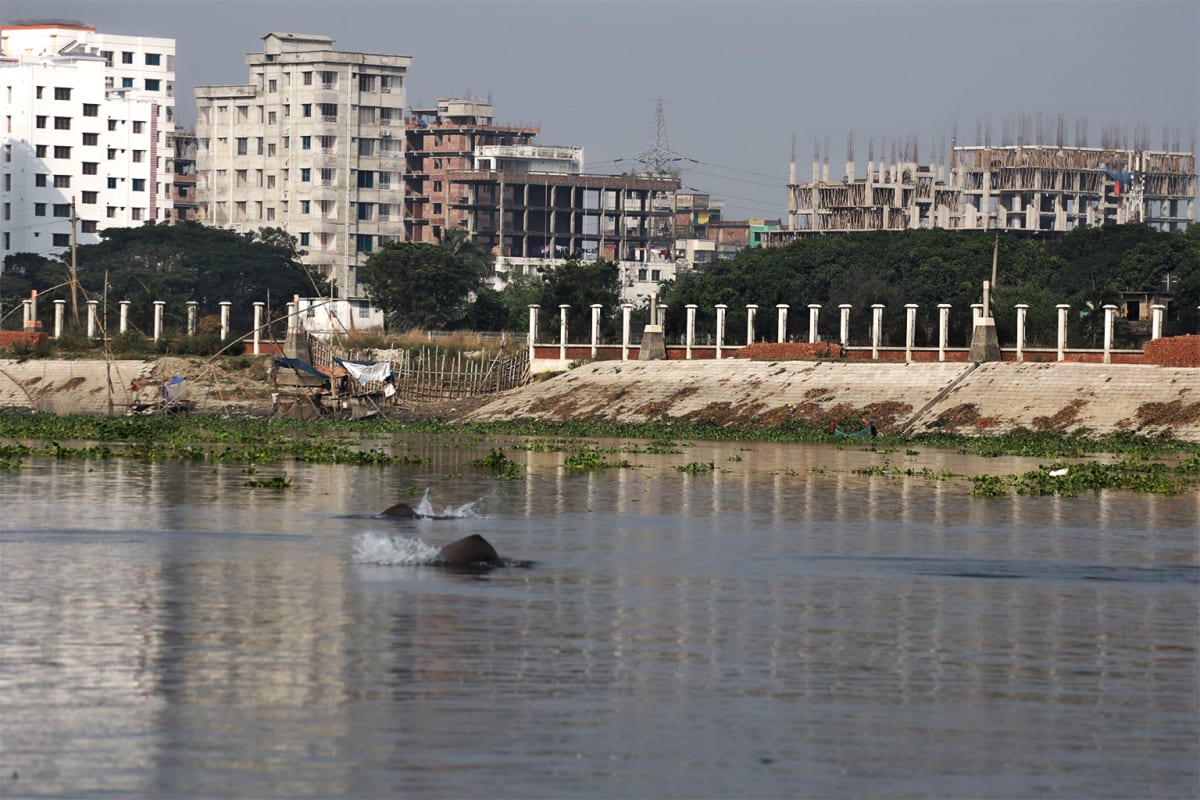
The Buriganga River flows through Dhaka, Bangladesh, carrying toxic waste from hundreds of factories, tanneries, and sewage systems every single day. Heavy metals like chromium, lead, and cadmium fill the water at levels far exceeding safety limits, and during dry season, oxygen levels drop near zero.
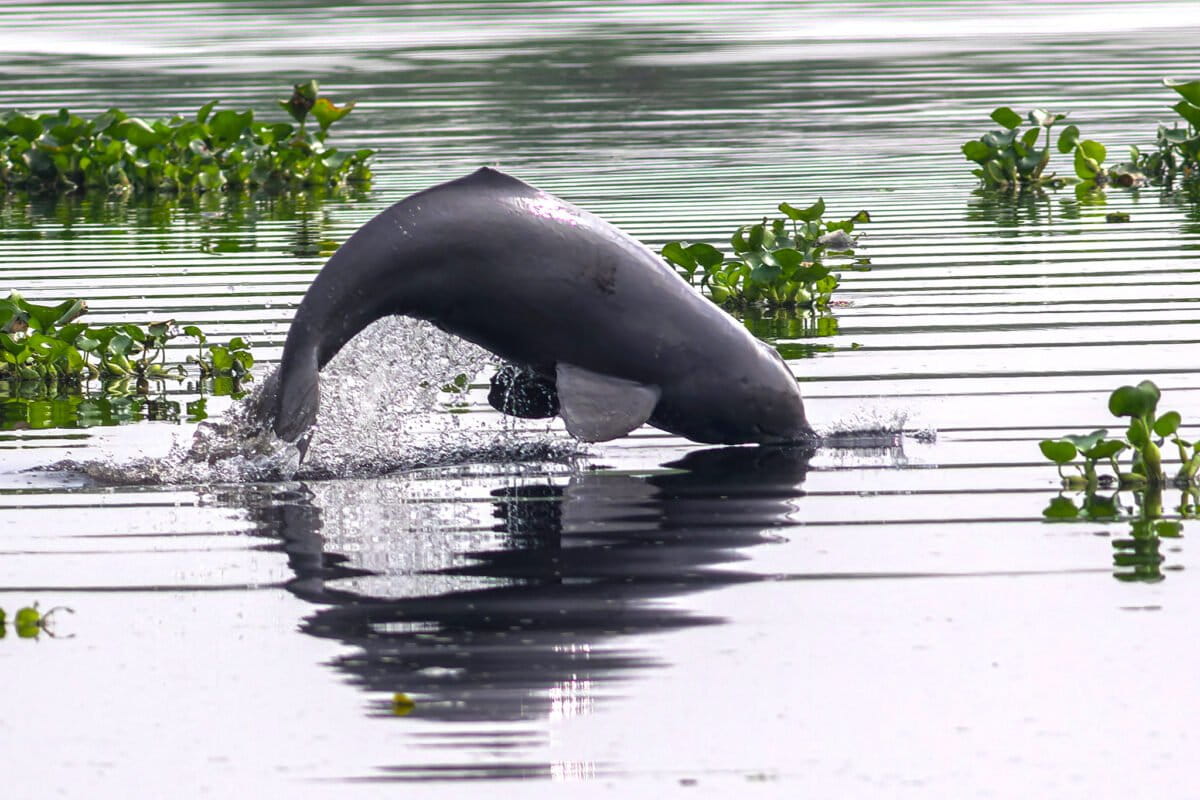
Yet researchers tracking a 16-mile stretch of this lifeless river for 12 months found something remarkable. Ganges river dolphins not only live here but are raising babies, with calves making up 16% of sightings.
"When we found them, we were amazed at how it was possible," researcher Md. Aminur Rahman told Mongabay. The team spotted dolphins in 10 out of 12 months, with the highest numbers appearing during winter.
The secret to their survival might be one of the few creatures tough enough to handle the toxic conditions: suckermouth catfish. These invasive bottom-feeders can breathe air from the surface and tolerate extreme pollution, and they now fill the Buriganga in huge numbers.
Scientists believe the dolphins are hunting these hardy fish, finding just enough food to sustain small family groups. The average group size was four dolphins, and seeing young calves swimming alongside adults proves reproduction continues despite the harsh environment.
The Ripple Effect
The dolphin discovery is part of bigger conservation news from Bangladesh. A nationwide survey across 45 rivers found over 2,300 Ganges river dolphins living throughout the country, with 25 identified hotspots for protection.
The government has already declared three wildlife sanctuaries for freshwater dolphins in the Sundarbans mangroves. Now conservationists are pushing for stronger pollution controls and fishing restrictions to help these populations grow.
Professor Mohammad Abdul Aziz from Jahangirnagar University stresses the path forward is clear. "If we want to conserve the dolphins in the Buriganga, the priority must be to stop the pollution," he said, noting that excessive boat traffic also disrupts the dolphins' natural movement.
The fact that dolphins can survive in the Buriganga proves nature's incredible resilience, but it also shows what's possible when Bangladesh tackles its pollution crisis head-on.
More Images

Based on reporting by Mongabay
This story was written by BrightWire based on verified news reports.
Spread the positivity!
Share this good news with someone who needs it