Wild Dogs Travel Record 2,500 Miles Across Zambia
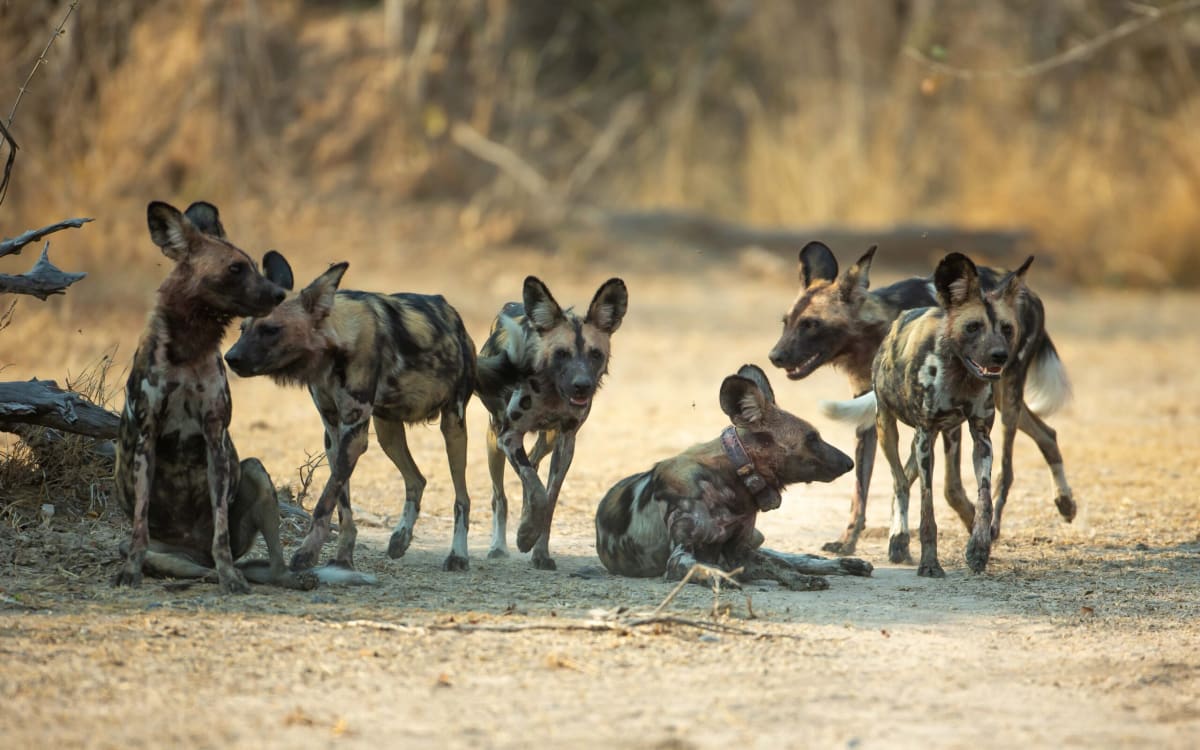
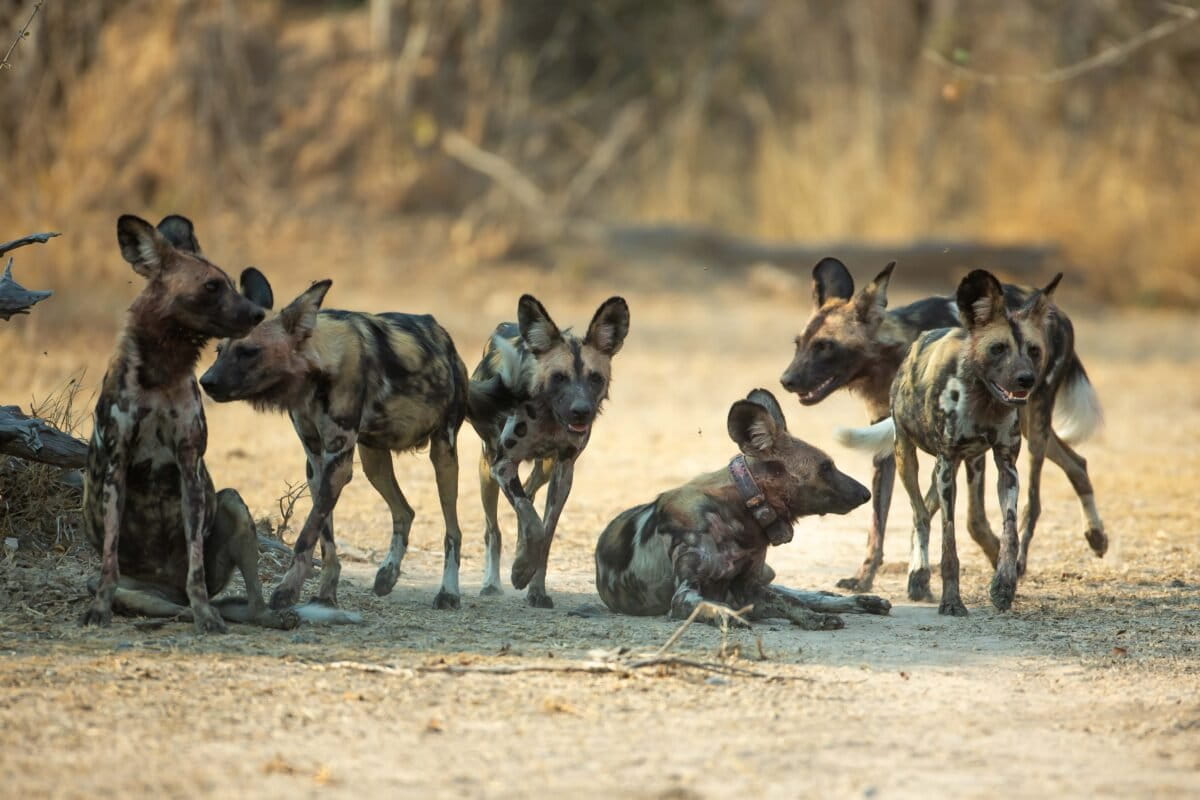
Three African wild dogs just completed the longest mammal journey ever recorded in Africa, traveling 2,500 miles across Zambia in search of new territory. Their epic nine-month trek proves endangered species can still connect distant populations when given the chance.
Three brother wild dogs just proved that hope can travel thousands of miles.
The trio, nicknamed the Mayukuyuku males, left their home in Zambia's Kafue National Park in mid-2025 and didn't stop moving for nine months. By April 2026, they had covered 2,500 miles searching for new territory and mates. That's roughly half the distance between Cairo and Cape Town.
"It's the longest African mammal movement on record," said Matt Becker, chief executive of the Zambian Carnivore Programme. The journey shattered previous records for wild dog travel.
The brothers wandered east from their park, then north toward industrial cities, then doubled back before heading to the Luangwa River Valley. Researchers tracked their entire journey using GPS collars fitted to one of the dogs. By spring, they had found what appears to be their new home in a protected buffer zone between two national parks.
The Mayukuyuku males weren't alone in their wandering. Researchers tracked 19 wild dog groups across Zambia using GPS collars. Four different packs came within a few miles of neighboring countries including Angola, the Democratic Republic of Congo, Malawi, and Zimbabwe.
These incredible journeys reveal something hopeful about Africa's endangered wild dogs. Despite shrinking habitats and growing threats, these animals are still connecting distant populations across Southern and Eastern Africa. Similar migrations have been recorded in Botswana, Tanzania, and Zimbabwe, suggesting most wild dog populations remain linked.
Not every journey ended happily. One female dog traveled over 1,400 miles with her two sisters before being killed in a hunter's snare set to catch antelope for meat. Her sisters' fates remain unknown. These snares pose a serious threat because wild dogs won't abandon injured pack mates, meaning multiple animals can die in a single incident.
The Ripple Effect
The Mayukuyuku males' journey shows what's possible when conservation areas stay connected. "If we conserve and continue to improve these connections, a lot of species like wild dogs can make the rest happen," said Nyambe Nyambe, who helps govern a massive transfrontier conservation area spanning five African countries.
Becker believes the solution isn't separating people from nature. Instead, he's calling for conservation models that benefit local communities through nature-based tourism or sustainable game ranching. These approaches create economic incentives to protect the vast, connected landscapes wild dogs need to thrive.
The brothers' 2,500-mile journey proves that when we protect natural corridors, wildlife will do what it does best: survive, adapt, and connect.
More Images


Based on reporting by Mongabay
This story was written by BrightWire based on verified news reports.
Spread the positivity!
Share this good news with someone who needs it