Italy's Wolves Make a Comeback After Near Extinction
Fifty years after almost disappearing, Italy's wolf population has recovered to 3,500 animals across the country. Despite fears and alarmism, experts say attacks on humans remain extremely rare, with only seven wolves responsible for 19 incidents over seven years.
Italy's wolves are writing one of conservation's most remarkable comeback stories.
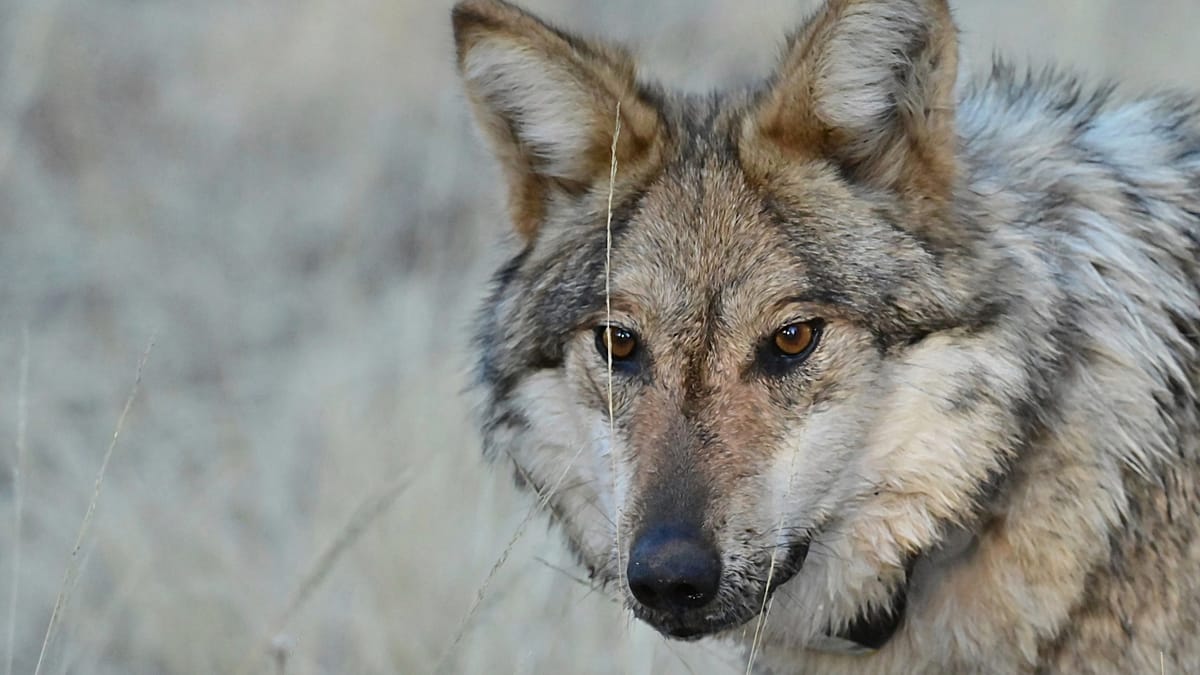
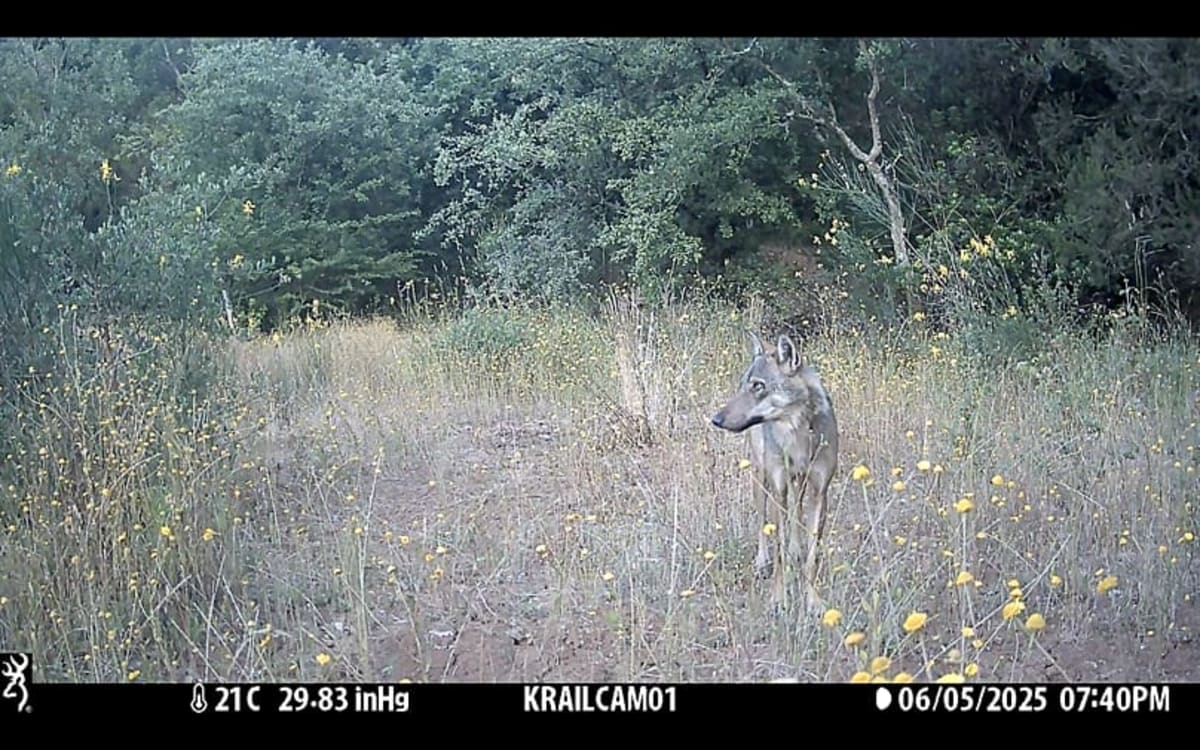
Once nearly extinct half a century ago, wolves now roam from Roman beaches to the Po Valley, with around 3,500 animals spread across Italy. The population is growing by roughly 150 animals per year, mainly in the Alpine region.
Summer 2026 brought a wave of concern as sightings increased near towns and cities. But the numbers tell a different story about actual risk.
Between 2017 and 2024, only 19 wolf attacks on humans occurred across the entire country. Even more striking: just seven individual wolves were responsible for all those incidents, with a single female wolf accounting for 11 of them.
"Wolf attacks remain an extremely rare phenomenon, so there is no real risk to people," says Piero Genovesi, head of wildlife coordination at Italy's Higher Institute for Environmental Protection and Research. His team conducted the first nationwide scientific count of Italy's wolves using rigorous methods and advanced statistics.
The increase in urban sightings has a simple explanation. Wolves are territorial animals that live in packs, so they don't multiply explosively. Instead, they colonize new areas gradually.
"It is a species that keeps its distance, a shy, nocturnal animal that tends to avoid coming into contact with humans," explains Marco Antonelli, a zoologist and large carnivore specialist for WWF Italy. The species' remarkable adaptability allows it to thrive in varied environments.
When wolves do develop "confident behavior" near humans, it's typically because specific human actions have encouraged them. These are individual traits in particular animals, not characteristic of the species as a whole.
The Bright Side
This conservation success proves that humans and wildlife can share space when we understand the science. Italy developed specific protocols to manage urban wolf encounters, classifying behaviors by risk level to help communities respond appropriately.
The country's experience offers hope for wildlife recovery everywhere. What seemed impossible 50 years ago became reality through protection and patience.
Italy's wolves are thriving again, and peaceful coexistence is working.
More Images


Based on reporting by Euronews
This story was written by BrightWire based on verified news reports.
Spread the positivity!
Share this good news with someone who needs it