Indigenous Boxers Train for Life at Canberra Camp
First Nations youth aged 10 to 18 gathered in Canberra for a unique boxing camp that builds confidence, cultural connection, and life skills alongside athletic training. Former Wallabies captain David Pocock joined coaches in mentoring the young fighters.
In a basement gym beneath a Canberra church, Indigenous kids are throwing punches that pack more than just power.
Cuz Boxing's first Indigenous Development Camp brought together First Nations youth aged 10 to 18 for a week of training that went far beyond the ring. Their first exercise wasn't shadowboxing or sparring. It was public speaking.
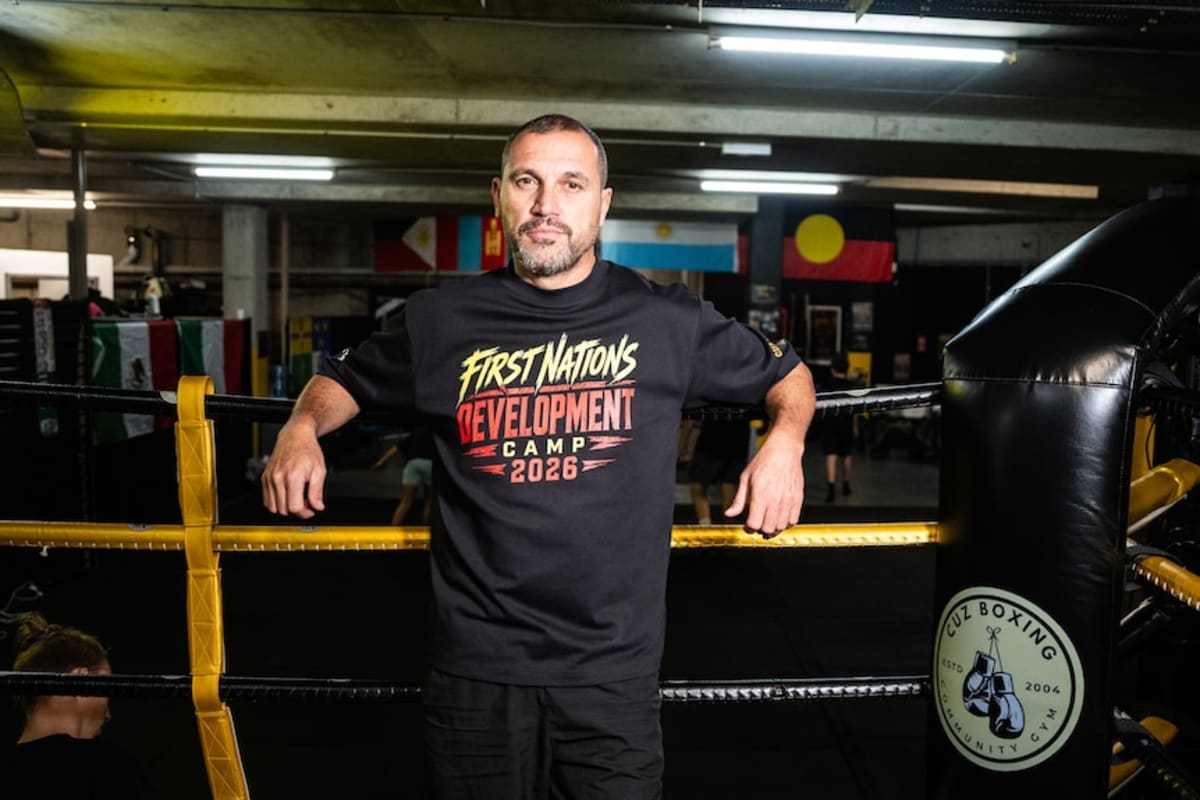
"It's not just the boxing, it's seeing these young kids feel confident about themselves, watching their self-belief grow," says Joe Hedger, the camp's Bundjalung founder. The program teaches self-belief, respect, discipline and control through a sport deeply woven into Indigenous Australian history.
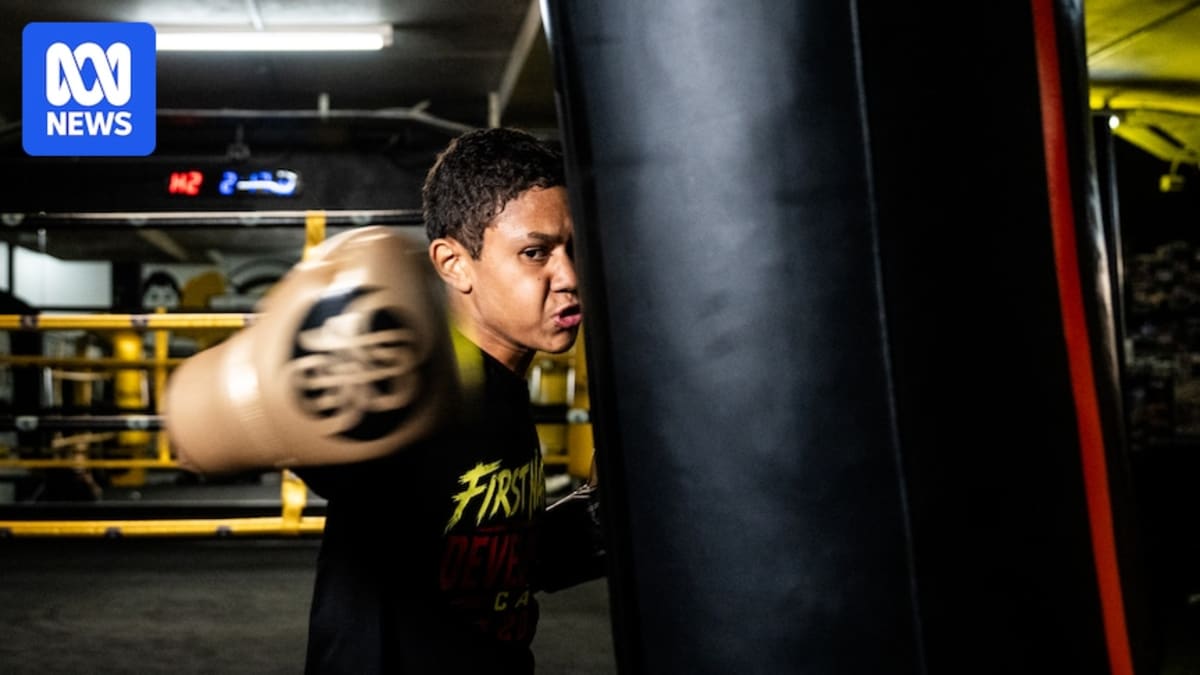
Brothers Jonas and Leeton traveled from Sydney to attend the camp together. Thirteen-year-old Leeton wore gold gloves and fierce determination as he worked the heavy bag. His older brother Jonas, 15, has been training seriously for two years, and it shows in the blur of his blue gloves striking the pads.
The camp pushed the athletes hard. Former Wallabies captain and ACT Senator David Pocock led them through his signature "Granimals" workout at the Murrumbidgee River in five-degree weather. Ngunnawal Elder Auntie Violet Sheridan and professional athletes mentored the group throughout the week.
For many participants, boxing runs in the family. Jonas and Leeton grew up training with their siblings, following their father's footsteps. Joe Hedger's own father Alan was a professional fighter, and Joe's son Miles, now 19, is a NSW King of the Ring champion who served as a big brother figure at the camp.
The gym walls tell stories of this heritage. Promotional posters from famous fights hang alongside portraits of First Nations boxing legends like Lionel Rose.
The Ripple Effect
Miles Hedger sees how the camp addresses something deeper than athletic skill. "A lot of Indigenous kids feel disconnected, whether it's with each other or they feel disconnected to their culture or their community," he explains. The camp builds community both inside and outside the ring.
That sense of connection filled the gym during an agility drill that replaced traditional sparring. Fifteen-year-old Maleek faced off against his younger sister Latoya in a friendly competition. When Latoya, five years younger and much shorter, tagged her brother out, laughter and cheers erupted from the watching athletes.
"I left footy for boxing because boxing is just better," Maleek says. "It gives me confidence, strength, fitness, and it just feels so good."
The camp prepares athletes for elite boxing programs at state and national levels, but its real victory might be the confidence and cultural pride building in each young fighter.
More Images


Based on reporting by ABC Australia
This story was written by BrightWire based on verified news reports.
Spread the positivity!
Share this good news with someone who needs it