Indigenous Cacua People Co-Author New Amazon Palm Discovery
When botanists tried a mysterious fruit in a Colombian village, they discovered a 20-meter palm tree unknown to science. The Cacua people who've used it for centuries became co-authors on the research paper describing it.
Two botanists changed their entire research plans after tasting a single fruit offered by children in a remote Colombian village.
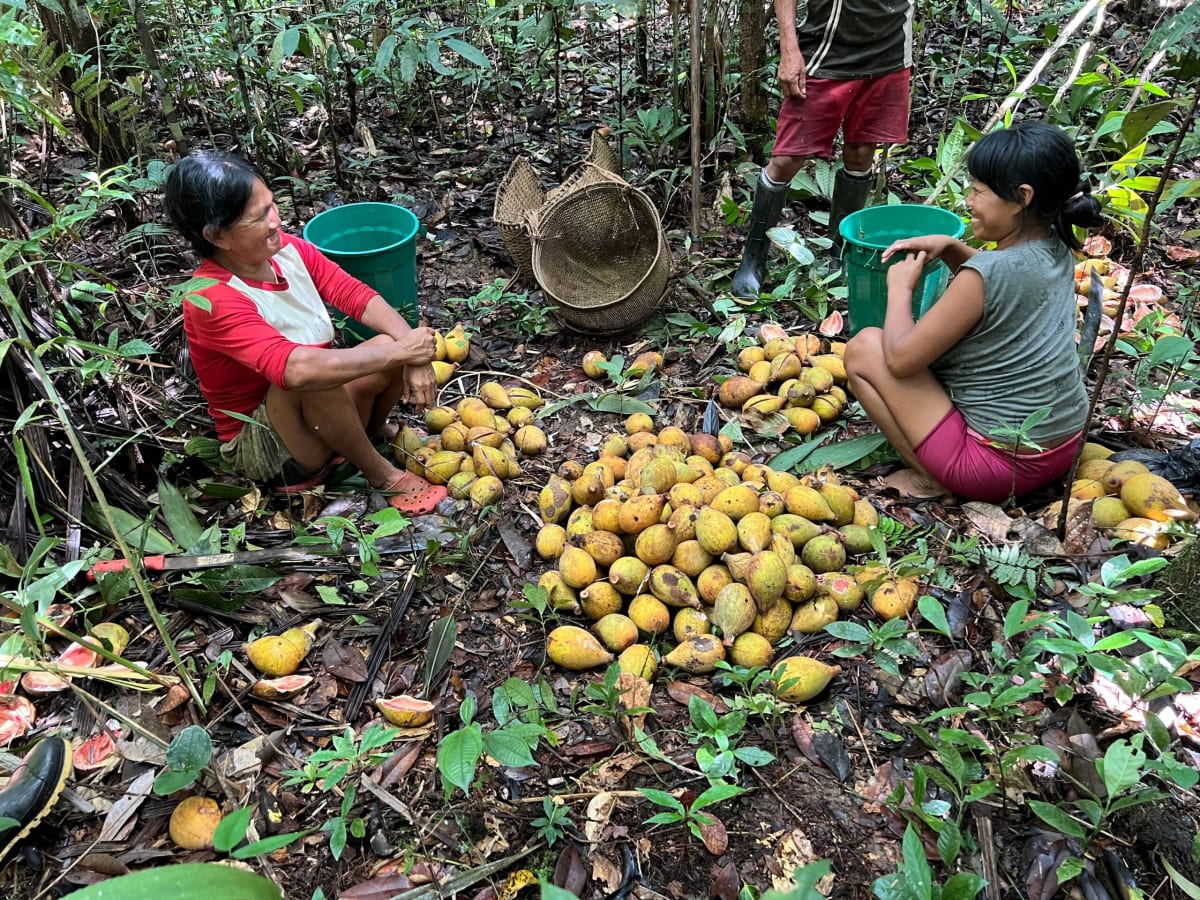
Rodrigo Cámara-Leret and Juan Carlos Copete traveled deep into the Amazon in 2025 to study medicinal plants used by the Cacua people, one of Colombia's smallest Indigenous groups. But when kids in the village of Wacará handed them a yellowish-brown fruit called táam, the scientists were stunned. Despite studying tropical plants for over a decade, they'd never seen anything like it.
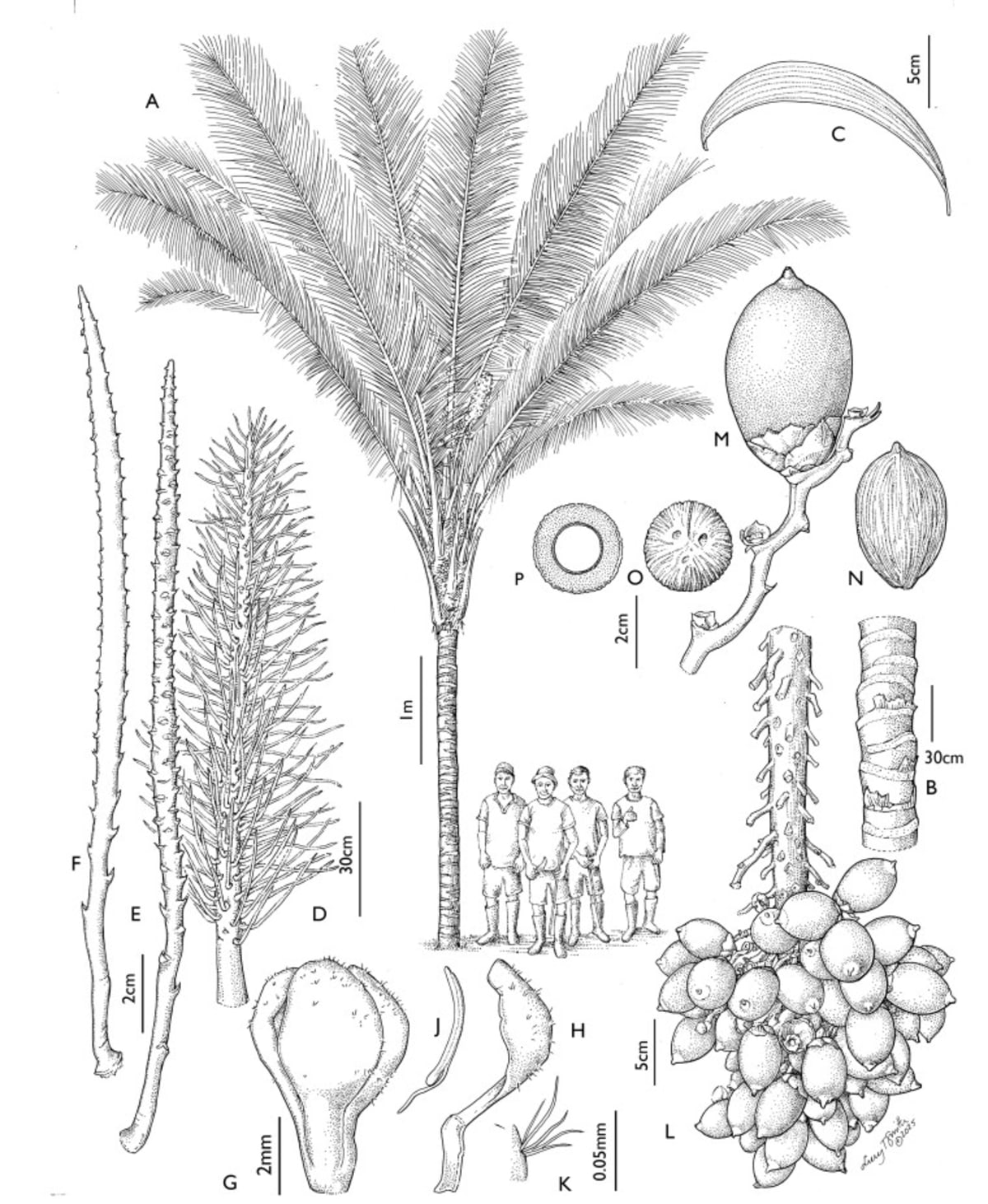
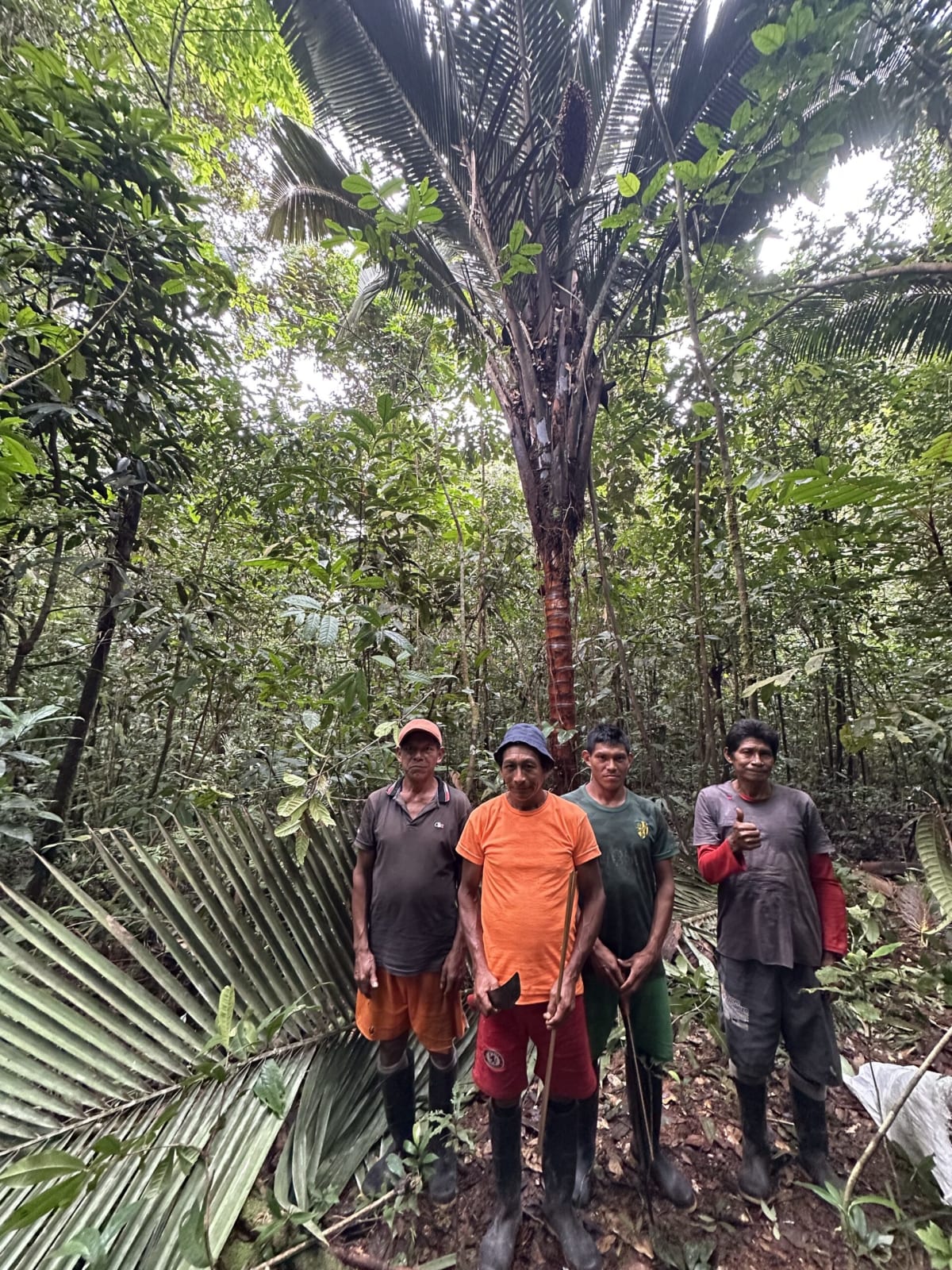
The sweet and sour fruit came from towering palm trees reaching 20 meters tall. Lab tests confirmed what the researchers suspected: this was a completely new species of palm, now named Attalea taam. Finding new palm species in the Amazon is incredibly rare, especially one so large and important to human diets.
What happened next made this discovery different from centuries of botanical research in the region. Instead of simply collecting specimens and leaving, the scientists invited the Cacua community to become full partners in the research.
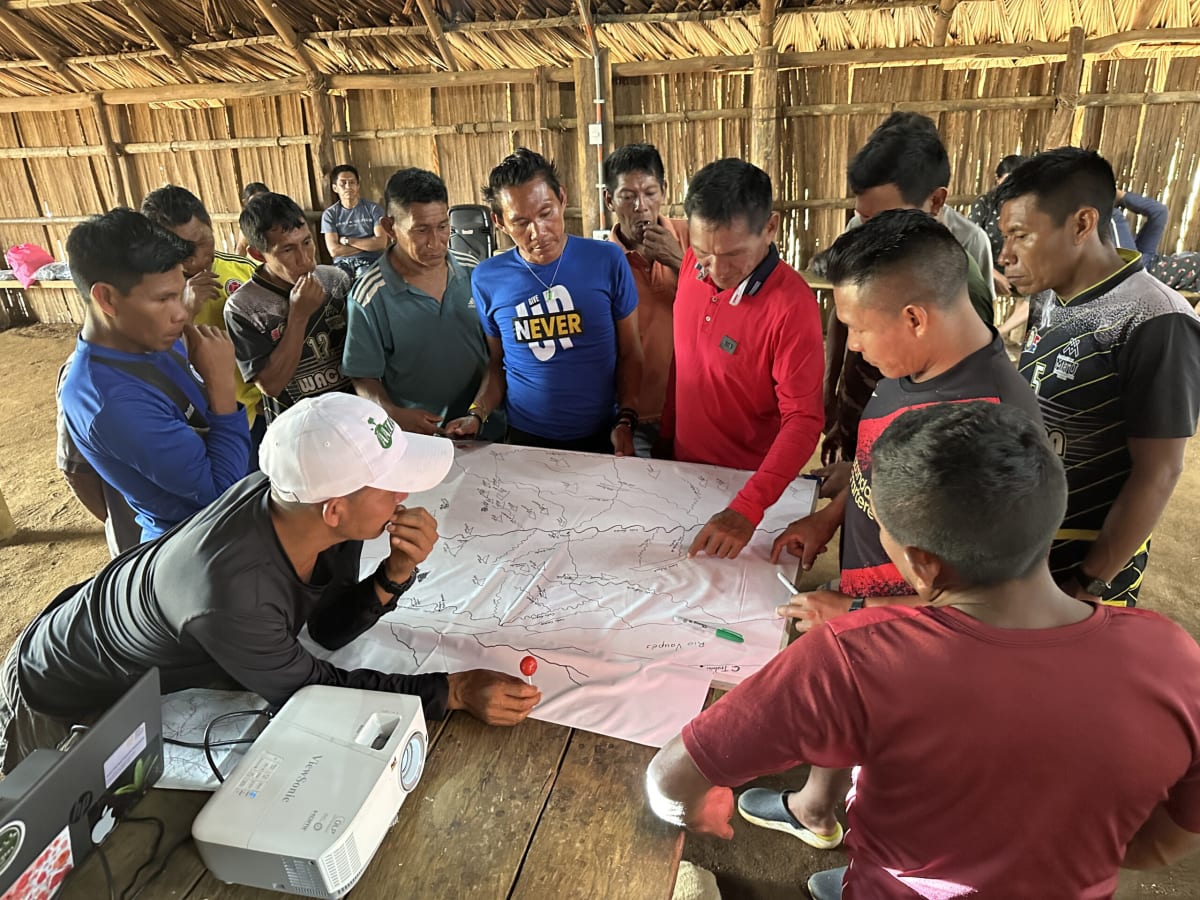
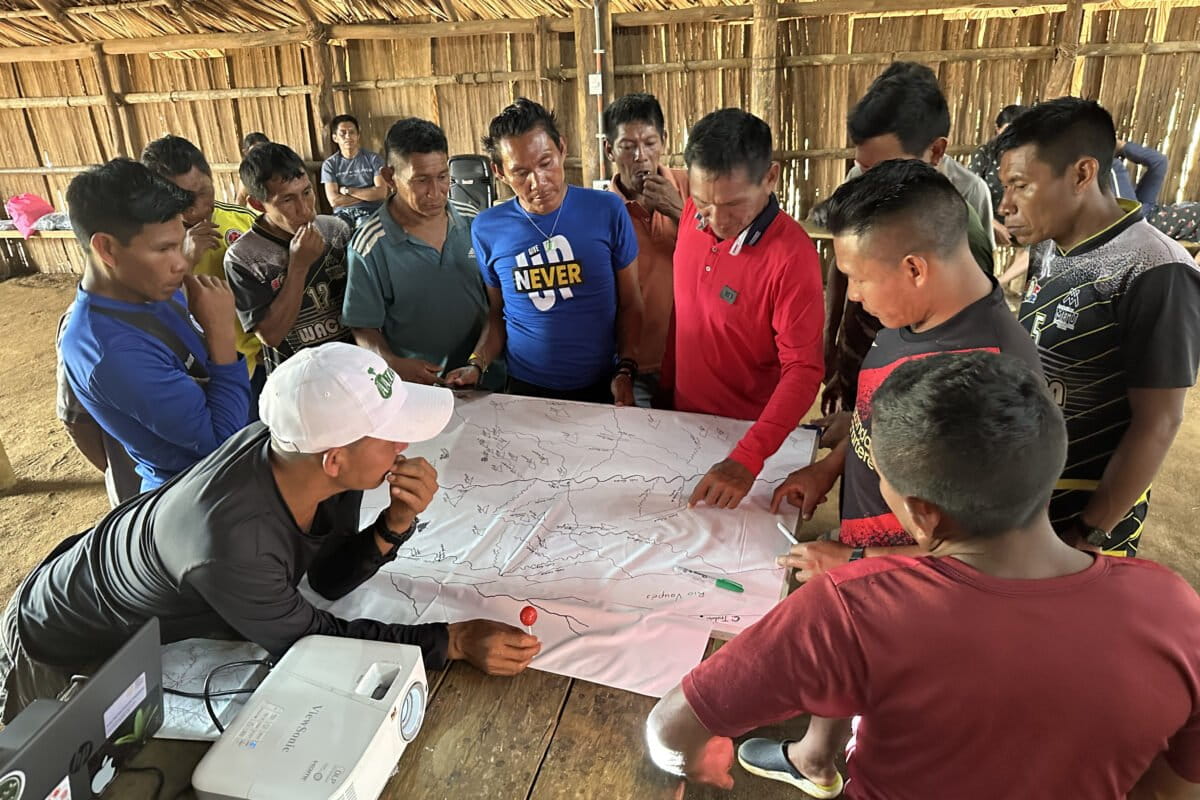
Several Cacua members embarked on their own expeditions through the forest, photographing and mapping the palm's distribution. They discovered six populations the community hadn't previously known about. In workshops, Cacua people of all ages drew detailed maps showing where the palms grow, based on their own understanding of the landscape rather than conventional cartography.
The collaboration produced better scientific results than Western methods alone could have achieved. The community's knowledge revealed distribution patterns and ecological details the scientists would have missed.
Why This Inspires
The research team made sure Cacua community members appeared as co-authors on the scientific paper published in the journal Phytotaxa. This recognition matters because Indigenous and local peoples have guided botanical discoveries for centuries but rarely receive credit for their expertise.
The Cacua's sustainable harvesting practices also shaped how samples were collected. The team only gathered fruit clusters that had naturally fallen to the ground, respecting the community's tradition of waiting until fruits fully mature.
"This was not a discovery of a new species but the recognition of their wisdom," Copete explained. The táam palm had always been there, known and carefully tended by the Cacua people.
The partnership shows how combining traditional knowledge with scientific methods creates stronger research and honors the communities who've been expert botanists all along.
More Images
Based on reporting by Mongabay
This story was written by BrightWire based on verified news reports.
Spread the positivity!
Share this good news with someone who needs it