
Indigenous Clan to Lead Australian Town's Future After Mine
A remote Northern Territory town will stay in Aboriginal hands after Rio Tinto's mine closes in 2029, with the local Rirratjingu clan taking over the lease. The landmark agreement secures homeownership, business investment, and a traditional owner-led future for Nhulunbuy.
A remote Australian town preparing for major economic upheaval just received a powerful promise: it will remain in the hands of its traditional Aboriginal owners for generations to come.
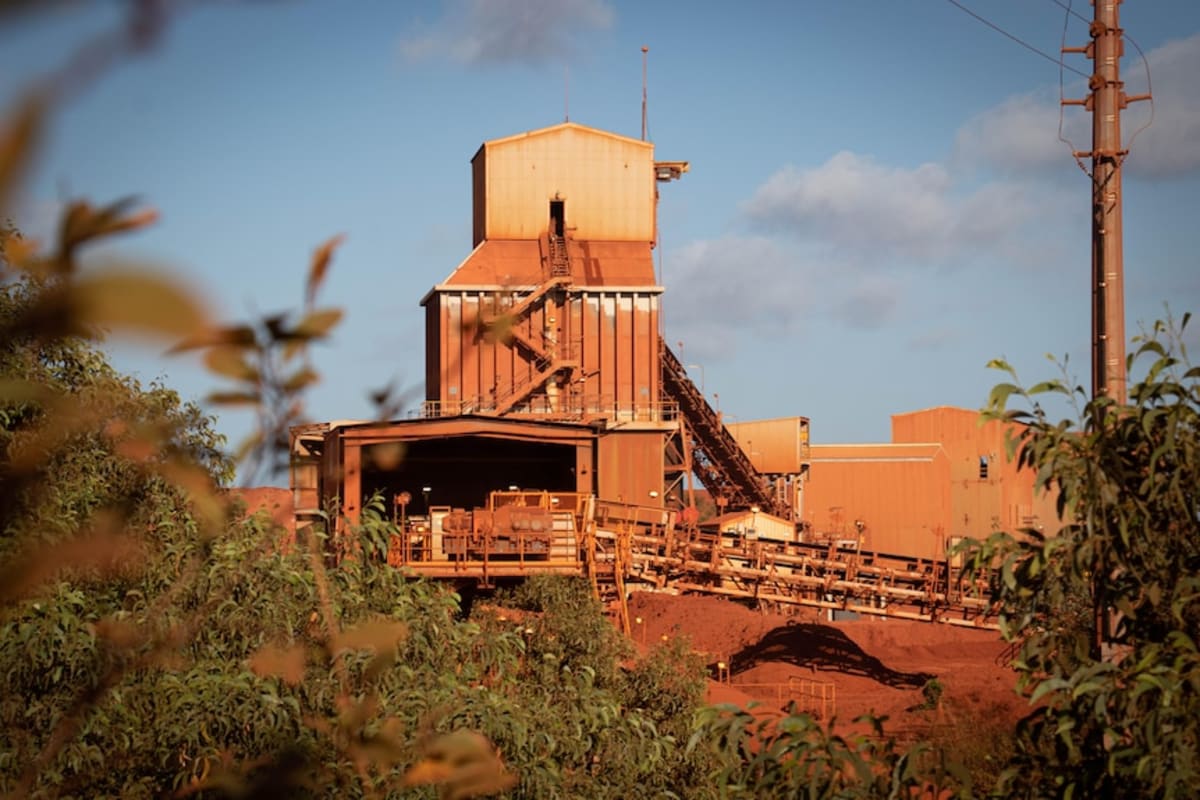
The town of Nhulunbuy in Arnhem Land has faced deep uncertainty as its major employer, a Rio Tinto bauxite mine, prepares to close in 2029. But a new agreement announced at the Garma Festival will transfer the town's lease from Rio Tinto directly to the local Rirratjingu clan.
Northern Territory Chief Minister Lia Finocchiaro called the deal "structurally and symbolically critical" to the region's future. The agreement creates a traditional owner-led system that supports homeownership, tradeable property titles, and business investment in the open town.
"This agreement will provide confidence and certainty for home ownership, business investment, and lending and finance, so that the full potential of this region and its people can be achieved," Finocchiaro said during her first keynote address at the Indigenous festival.
Rirratjingu Aboriginal Corporation chairperson Wanyubi Marika welcomed the progress, saying his board will continue working to "ensure our culture endures through economic strength and social cohesion." The announcement came on the 50th anniversary of the Northern Territory Aboriginal Land Rights Act.
The Ripple Effect
The agreement sparked two additional initiatives that could transform the region's future. The government joined with both the Rirratjingu and Gumatj clans to call on Australia's federal government to establish a national fuel security reserve using Rio Tinto's existing infrastructure.
Seven Rio Tinto fuel tanks could be recommissioned to create a critical fuel base for northern Australia, rather than building entirely new facilities elsewhere. Gumatj Corporation chief executive Klaus Helms pointed out the obvious efficiency: "We have infrastructure that can do a lot of things here."
The Gumatj Corporation also announced a new partnership with the Laynhapuy Homelands Aboriginal Corporation to develop traditional owner-run mining projects. These ventures could provide new economic engines for the region as the Rio Tinto era ends.
The agreements show how Indigenous leadership can create pathways forward when major industries depart, turning a moment of potential loss into an opportunity for self-determined growth that honors both culture and community.
More Images



Based on reporting by ABC Australia
This story was written by BrightWire based on verified news reports.
Spread the positivity!
Share this good news with someone who needs it