Indigenous Elders Explain Welcome to Country After Anzac Day
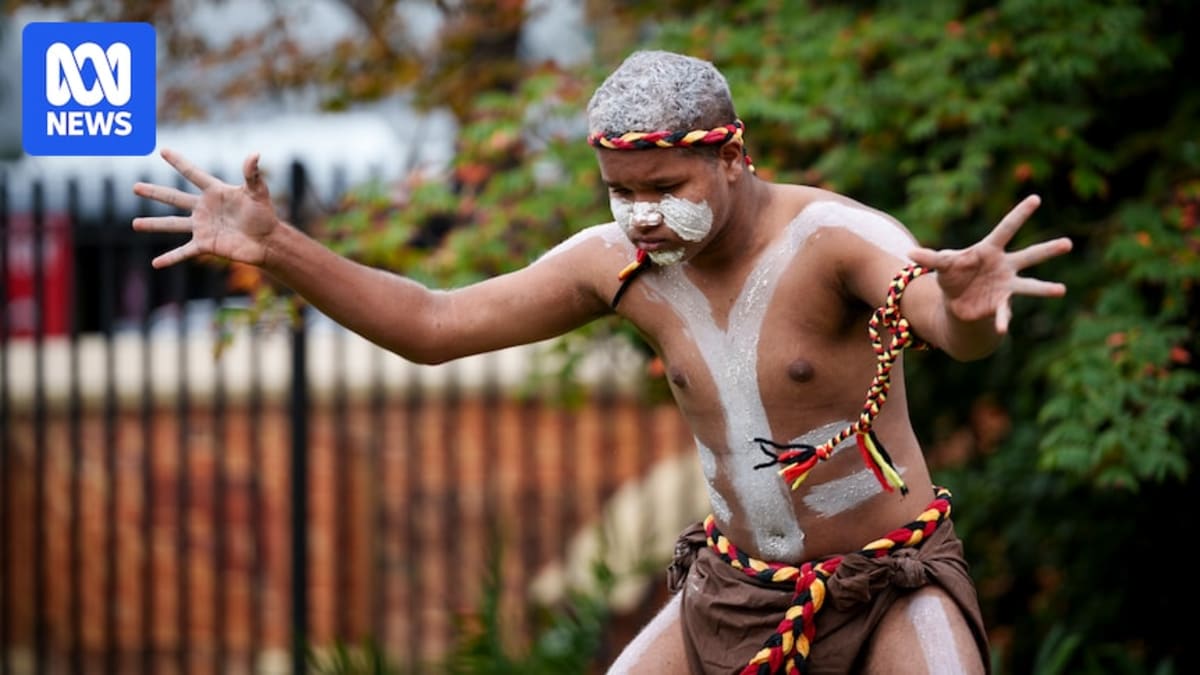
After racist disruptions at Anzac Day services sparked controversy, Indigenous elders are using Reconciliation Week to share the deep history and meaning behind Welcome to Country ceremonies. They say understanding, not division, is the path forward.
When racist booing interrupted Welcome to Country ceremonies at Anzac Day dawn services across Australia this year, Indigenous elders decided it was time to help people understand what the tradition really means.
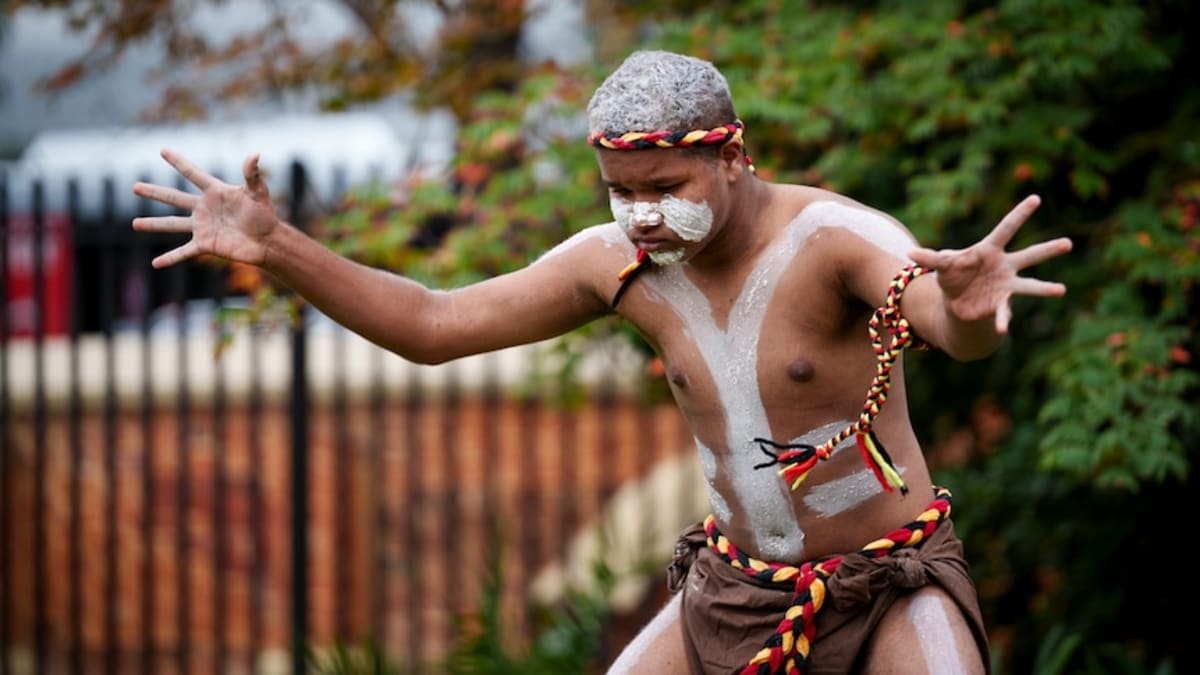
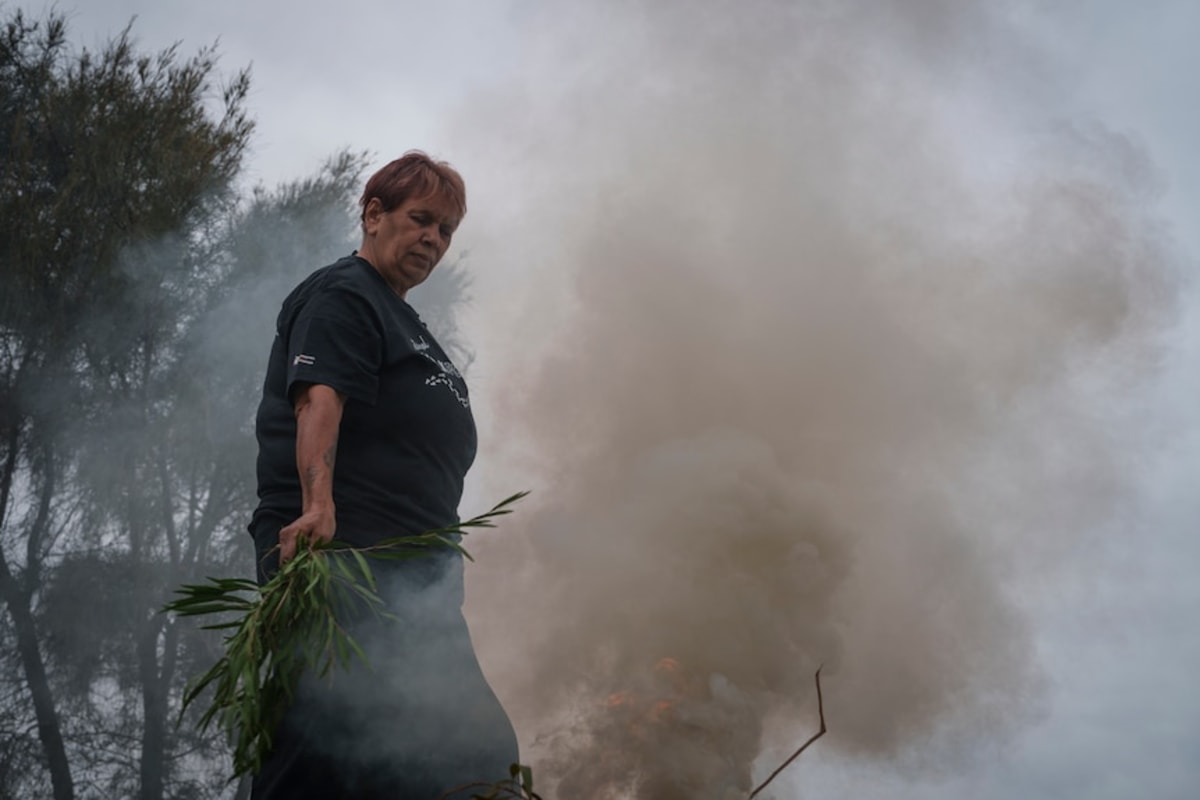
The ancient practice has roots stretching back 65,000 years. Senior Larrakia elder Richard Fejo explains that wandering onto another tribe's land uninvited was once seen as an act of hostility.
"We would sit on that boundary and wait for them to come along and sit down, and we'd explain why we were there," Dr. Fejo said. If accepted, visitors would be welcomed onto the land with the guidance and protection of ancestors.
The modern ceremony began in 1978 when Aboriginal theatre performers Richard Walley and Ernie Dingo were asked by Polynesian visitors to give a welcome. The practice has since become a bridge between Australia's ancient and modern cultures.
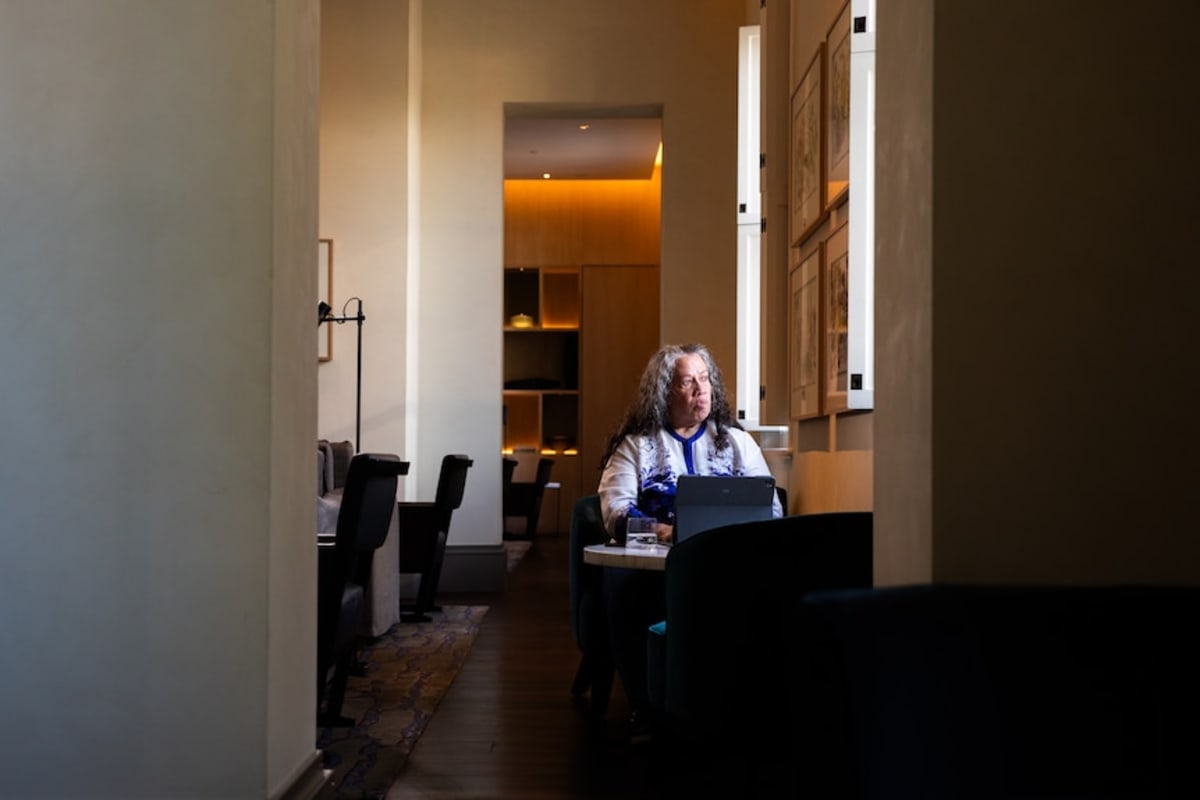
Noongar leader Colleen Hayward believes opposition comes from misunderstanding, not malice. She focuses her welcomes on "people, place and purpose" to create meaningful connections.
At police graduation ceremonies, Hayward shares that "manitj," the slang word for police, comes from the Noongar word for white cockatoo, one of their culture's most sacred animals. "When you talk about that, it unlocks a lot of thinking about the potential for forging a positive relationship," she said.
Why This Inspires
The elders aren't responding to hate with anger. They're responding with education and open hearts.
Dr. Fejo sees welcomes as opportunities for mutual learning. "As much as you've got to offer, we've got to learn, and as much as we've got to offer, you've got to learn," he said.
Both leaders acknowledge that welcomes shouldn't become meaningless through overuse. They work best at significant events where they can enrich the occasion and connect people to place.
Hayward believes that without these ceremonies, gatherings lack something essential. "You're there without a connection. Welcomes connect us to country, to culture, to each other, regardless of our cultural background."
The message is simple: if we open our hearts to difference, we all gain something precious.
More Images
Based on reporting by Google News - Reconciliation
This story was written by BrightWire based on verified news reports.
Spread the positivity!
Share this good news with someone who needs it