Lost Village Reveals Indigenous Resilience in Colonial Mexico
Archaeologists in Mexico discovered a 337-year-old Pima village that shows how Indigenous people preserved their culture while adapting to Spanish colonial rule. The hidden settlement reveals a remarkable story of resistance and survival.
A lost village buried for more than three centuries is revealing how Indigenous people fought to preserve their identity during Spanish colonization.
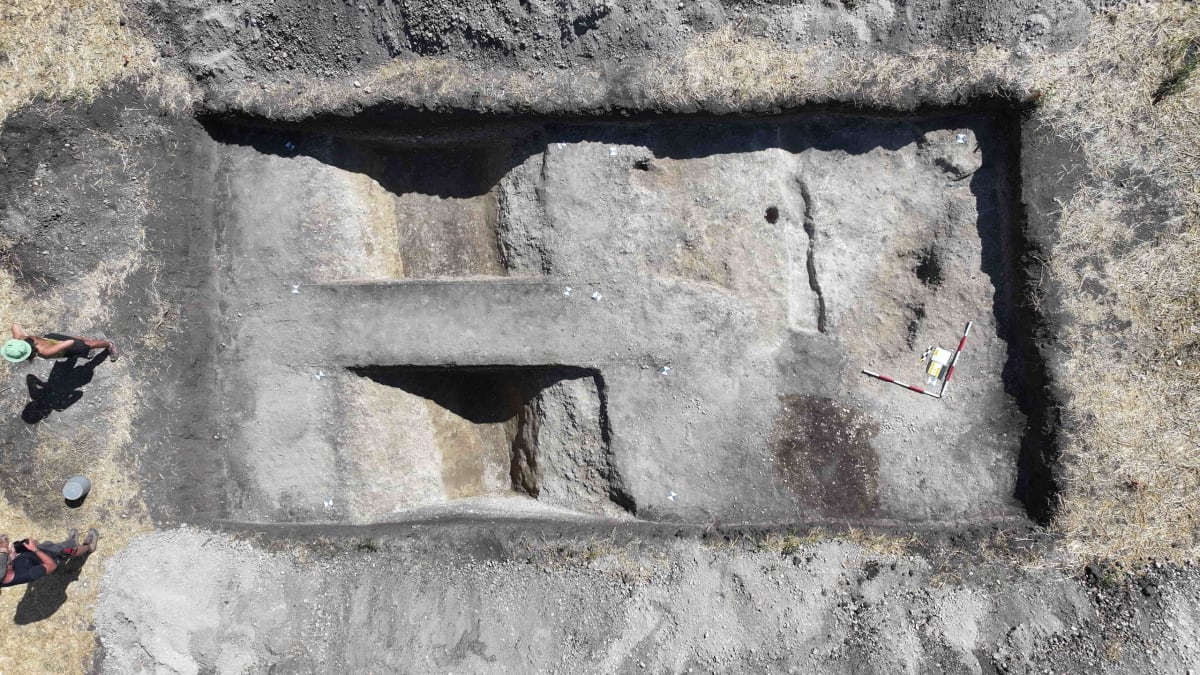
Archaeologists working in northern Mexico's Sonora region uncovered the remains of a Pima Himeri village dating to 1687. The settlement sat just 100 meters from a historic Jesuit mission but had remained hidden beneath a mesquite grove despite decades of searching.
Led by archaeologist Tomás Pérez Reyes, the team from Mexico's National Institute of Anthropology and History excavated roughly 800 square meters of the site. What they found tells a powerful story of cultural survival.
The village shows how the Pima people cleverly blended two worlds. They built adobe homes using Spanish techniques but arranged them according to their own traditions. Many houses featured central hearths that reflected Indigenous customs rather than European designs.
The food remains paint an especially vivid picture. Researchers discovered about 20 outdoor ovens containing bones from cattle, pigs, sheep, deer, dogs, chickens, turkeys, donkeys and horses. Plant remains included maize, amaranth, cactus and wild greens called quelites.
"The Spanish did not eat horses, and cooked remains of all kinds of animals were found here," noted archaeologist Júpiter Martínez Ramírez. The Pima maintained their traditional diet even under missionary influence.
Perhaps most striking were the stone arrowheads scattered throughout the site. The team found them everywhere, showing that the Pima continued using their traditional weapons and hunting methods long after the Jesuits arrived in 1687.
The excavation also yielded shell ornaments from the Gulf of California alongside Christian crosses and religious medals. This mix of artifacts shows how Indigenous traditions and European religious practices existed side by side.
Why This Inspires
This discovery reminds us that culture is remarkably resilient. The Pima people didn't simply disappear or completely surrender their identity when faced with colonial pressure. Instead, they found ways to adapt while holding onto what mattered most to them.
The village survived because it lay outside the protected mission complex, concealed beneath later construction. Mexico's Secretary of Culture Claudia Curiel de Icaza said the find "allows us to understand the daily life of the Himeri people and recognize a history of resistance, adaptation and cultural continuity."
The discovery helps us see colonial history through a new lens, one where Indigenous communities weren't passive victims but active agents shaping their own futures.
More Images




Based on reporting by Google: archaeological discovery
This story was written by BrightWire based on verified news reports.
Spread the positivity!
Share this good news with someone who needs it