Indigenous Group Buys 81,000-Acre Wetland in Australia
The Nari Nari Tribal Council purchased a massive wetland property in Australia, bringing vital habitat under permanent Indigenous protection. The swamp is already rebounding after years of logging and cattle grazing damaged the ecosystem.
An Indigenous conservation group just became the permanent guardian of one of Australia's most important wetlands, securing a future for thousands of waterbirds and threatened species.
The Nari Nari Tribal Council purchased the 81,545-acre property containing the Great Cumbung Swamp in January 2026. Located at the end of the Lachlan River in New South Wales, this unique wetland acts as a refuge for wildlife when the surrounding landscape turns dry.
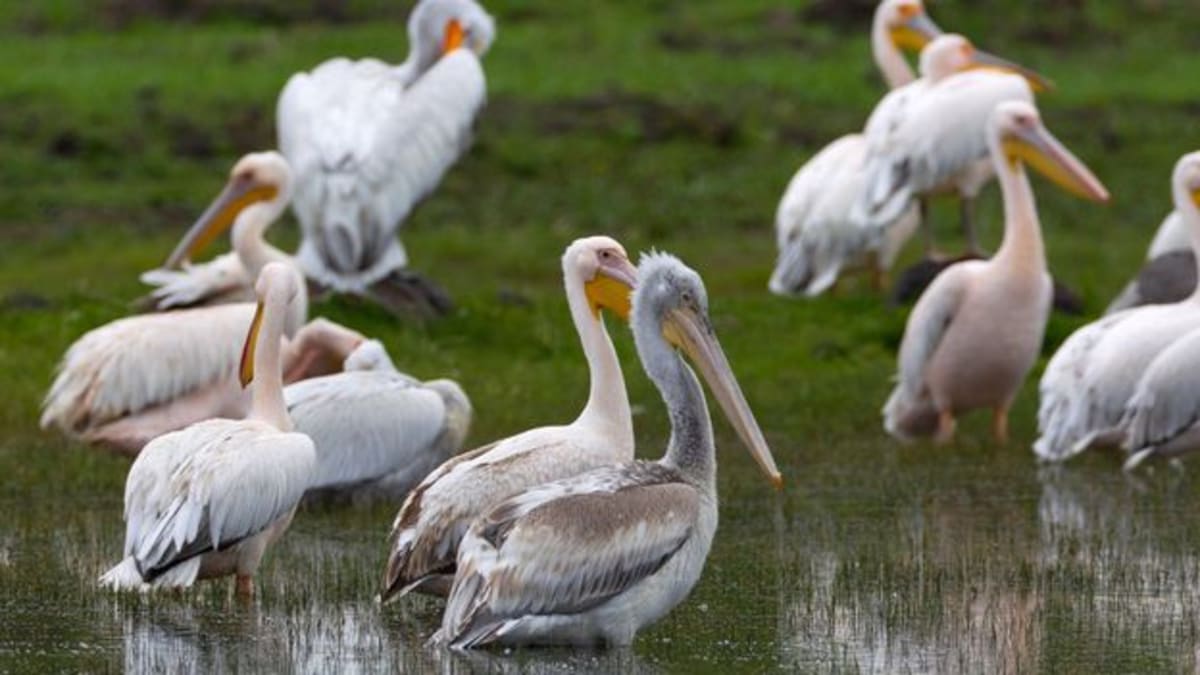
The swamp hosts about 11,500 waterbirds each year and provides critical habitat for threatened species like the Australasian Bittern, Murray cod, and southern bell frog. Its mix of open water, reed beds, and river red gum woodlands makes it so ecologically valuable that experts consider it worthy of international wetland status.
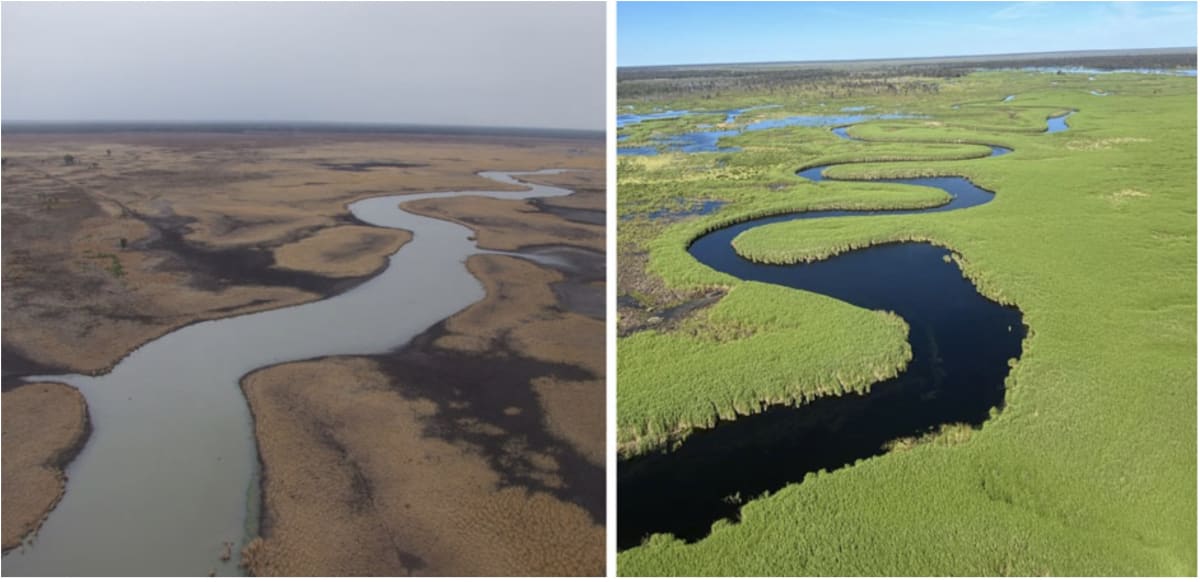
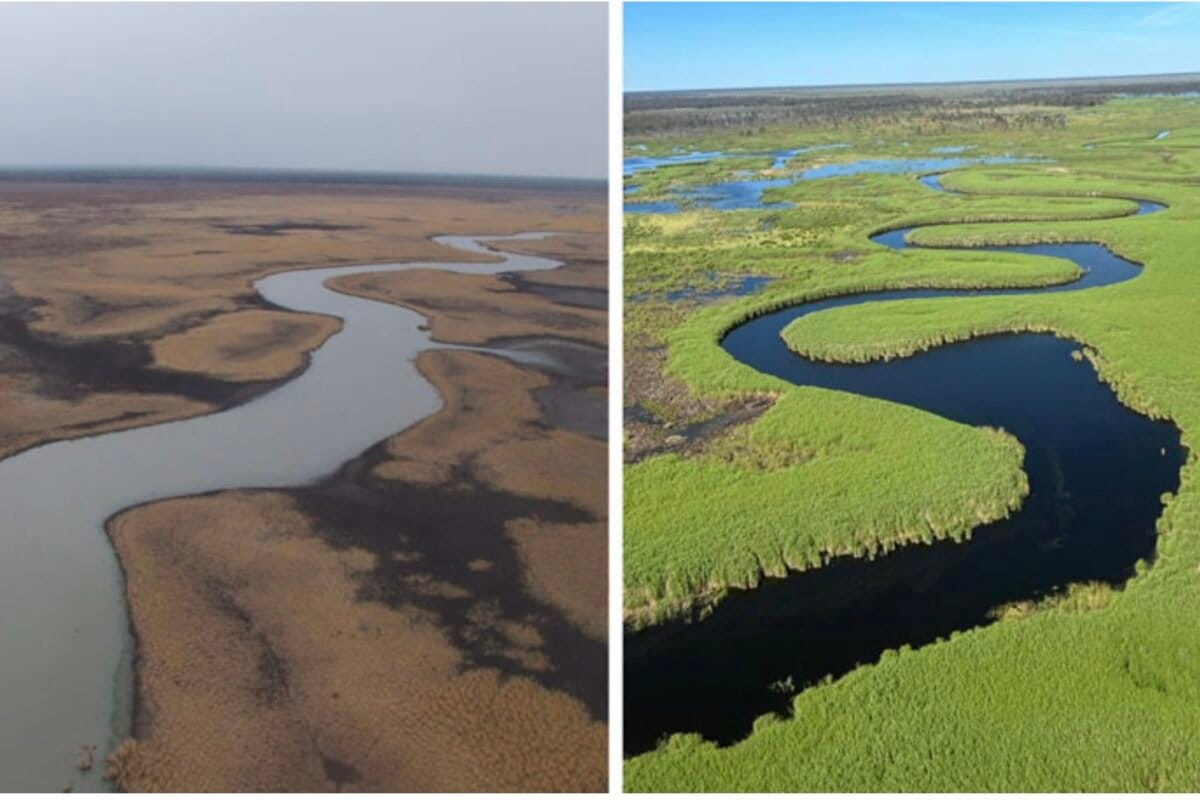
For decades, the property suffered from logging and intensive cattle grazing. The Nature Conservancy and an agricultural fund bought it in 2019 to prevent further damage, and the land started healing almost immediately.
Reduced grazing pressure combined with natural flooding brought remarkable recovery. Water-stressed river red gum trees sprouted new growth, and extensive reed beds flourished without constant trampling from cattle.
Record-breaking floods between 2020 and 2023 made the conservation model financially challenging, leading to the decision to sell to a long-term conservation partner. The Nari Nari Tribal Council, which already manages neighboring conservation areas, stepped up.
The Ripple Effect
The purchase connects three Indigenous-managed conservation areas into one protected corridor. The Nari Nari Tribal Council already oversees the adjoining Gayini Conservation Area and Toogimbie Indigenous Protected Area, creating a landscape-scale conservation zone.
The council committed to permanently protecting nearly 40,000 acres of the property's most valuable wetland and riverine areas. This guarantees the swamp will continue serving as a wildlife refuge for generations.
"This milestone strengthens our stewardship of this landscape and supports ongoing culturally-led conservation for future generations," said Jamie Woods, chair of the Nari Nari Tribal Council. The approach ensures ecological health, biodiversity protection, and restoration outcomes tailored to this unique environment.
Indigenous-led conservation combines traditional ecological knowledge with modern science, often producing better outcomes than conventional management. When communities have deep cultural connections to land, they invest in its long-term health rather than short-term extraction.
The wetland's recovery proves that damaged ecosystems can bounce back remarkably fast when given the chance and the right stewards.
More Images

Based on reporting by Mongabay
This story was written by BrightWire based on verified news reports.
Spread the positivity!
Share this good news with someone who needs it

%2Fhttps%3A%2F%2Ftf-cmsv2-smithsonianmag-media.s3.amazonaws.com%2Ffiler_public%2F6c%2F5f%2F6c5f3401-48da-41c5-8eb0-c7f99032b198%2F11_nabarlek_on_augustus_island__ian_bool.jpg)