Indigenous Land Care Cuts Carbon, New Study Confirms
A groundbreaking study reveals that Indigenous lands stay healthy not because they're remote, but because of active cultural practices passed down through generations. These traditions are now proven climate solutions the world desperately needs.
For decades, scientists have pointed to Indigenous lands as models of biodiversity and carbon storage, but they've been missing the most important part of the story. New research from Conservation International proves these lands thrive because of the people caring for them, not despite them.
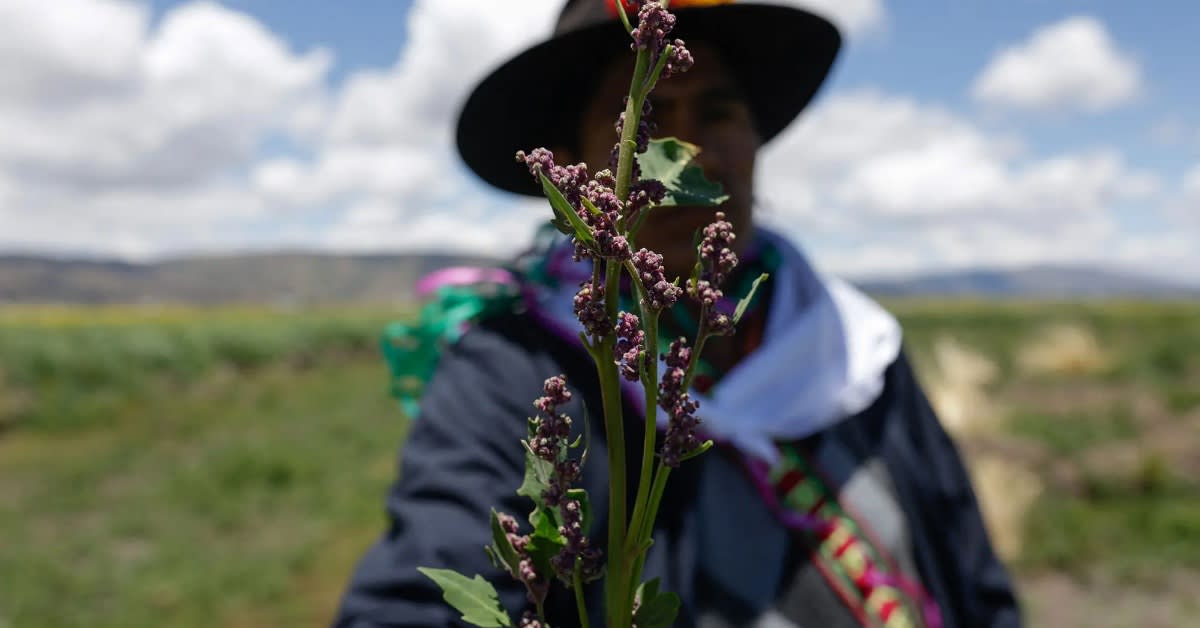
The study interviewed 49 Indigenous leaders across six continents, from the Amazon rainforest to East African savannas. What they found challenges a dangerous myth that's taken hold in climate discussions: the idea that Indigenous territories are pristine because they're isolated or barely populated.
"All of humanity relies on everything that Indigenous peoples have to contribute," said Sushma Shrestha, the study's lead author and Indigenous Newar from Nepal. The research shows traditional practices like restricting overfishing, maintaining sacred spaces, monitoring for fires, and directly resisting extraction all contribute to remarkably healthy ecosystems.
Ninety-six percent of communities surveyed set aside land for spiritual practices, which simultaneously protects those spaces and their ecosystems. The Kichwa people in Ecuador restrict hunting female tapirs to help populations recover. The Tacana people in Bolivia prohibit tree clearing along rivers, maintaining water quality and preventing erosion.
These aren't just interesting cultural practices. They're proven climate solutions that work at scale, protecting the world's healthiest forests and storing vast quantities of carbon.
The Ripple Effect
The timing couldn't be more critical. All 43 surveyed communities are experiencing drought, extreme weather, and other climate impacts. More than half face threats from mining and logging operations that could end millennia of successful land stewardship.
Indigenous leaders aren't just asking for help. They're offering it. They want the world to learn from their knowledge while supporting their efforts through climate funding, legal protections for their territories, and recognition of land rights.
"Indigenous Peoples' Knowledge cannot exist without Indigenous Peoples or without the ecosystems where we live," wrote Hindou Oumarou Ibrahim, Indigenous Mbororo from Chad and former chair of the UN Permanent Forum on Indigenous Issues. Protecting that knowledge means protecting the people and securing their lands.
The path forward is clear. Securing Indigenous land rights doesn't just help Indigenous communities, it helps everyone who depends on a stable climate and healthy ecosystems.
More Images

Based on reporting by Google News - Climate Solution
This story was written by BrightWire based on verified news reports.
Spread the positivity!
Share this good news with someone who needs it