Indigenous Nations Push for Equal Voice at UN Climate Talks
Indigenous leaders from around the world gathered at the UN last week to demand equal representation in climate decisions that directly impact their communities. After decades of being sidelined, they're calling for the same decision-making power that countries like the United States already have.
Indigenous communities are fighting for a seat at the table where their future is being decided, and their message to the United Nations is clear: nothing about us without us.
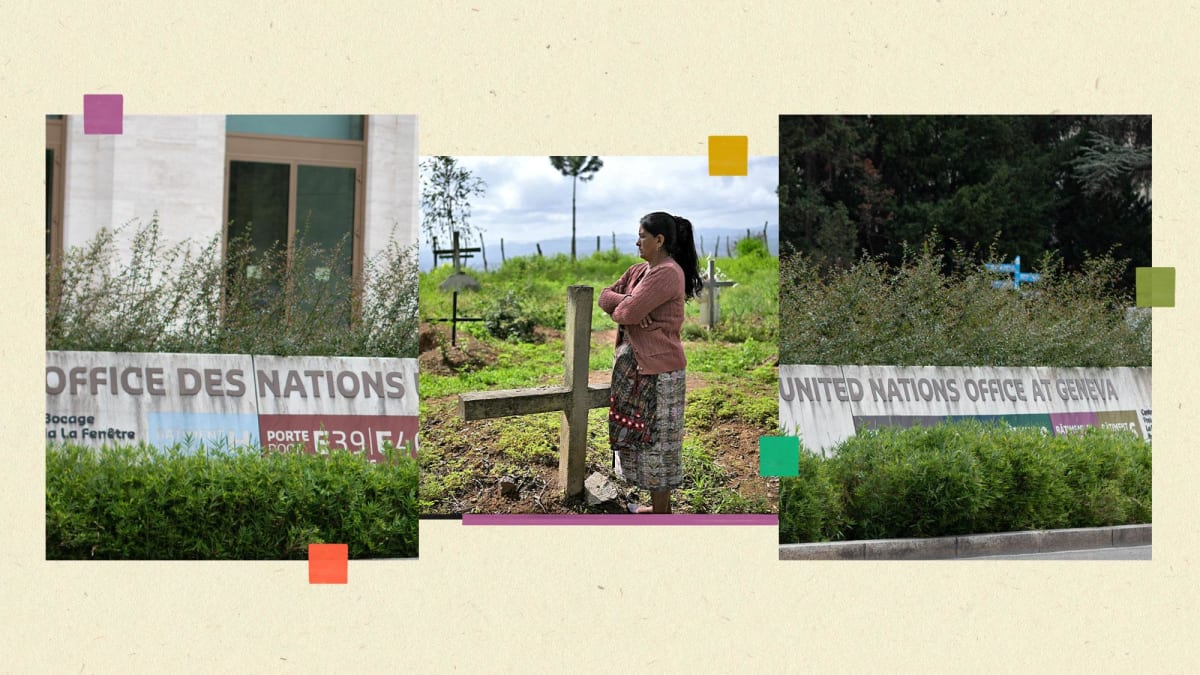
Last week, hundreds of Indigenous delegates from around the globe met in Geneva for the UN Expert Mechanism on the Rights of Indigenous Peoples. They came with a unified goal: to secure enhanced participation that would give Indigenous nations the same access and influence at international forums that member countries currently enjoy.
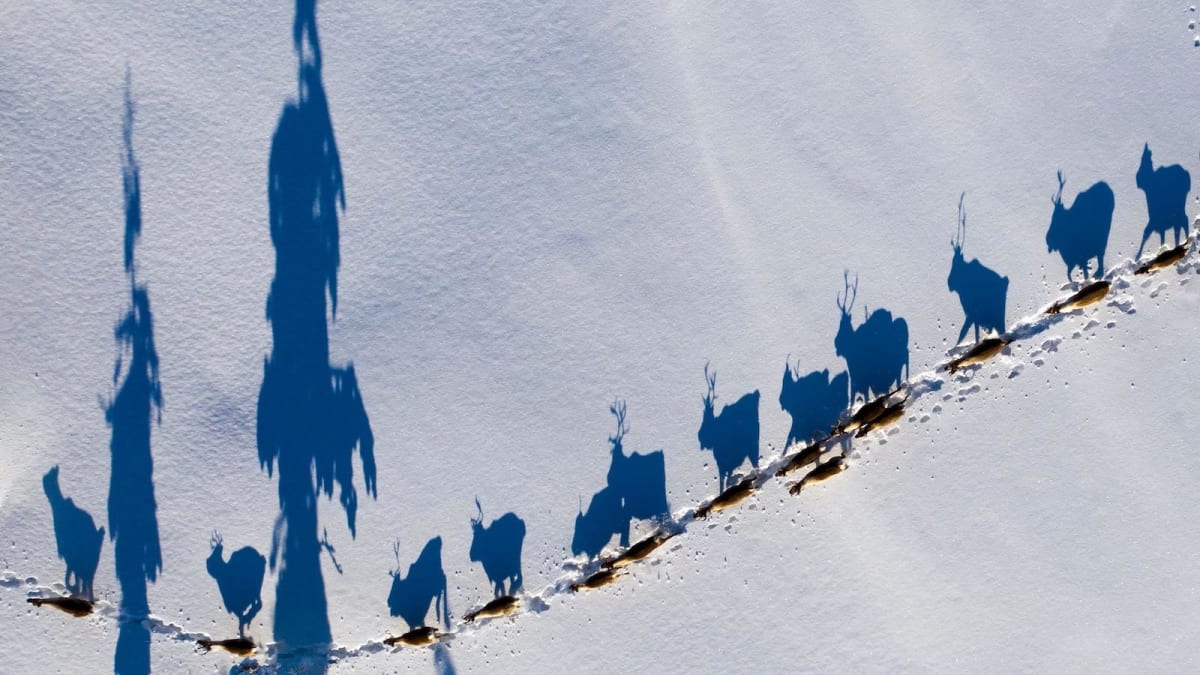
The stakes couldn't be higher. Tuomas Aslak Juuso, vice president of Finland's Sámi Parliament, explained how climate change is devastating his community's traditional way of life. As the Arctic warms four times faster than other regions, snow melts and refreezes into ice that prevents reindeer from reaching the lichen they need to survive, threatening both the animals and the Indigenous cultures that depend on them.
Right now, Indigenous nations face a frustrating catch-22. The UN structure requires participation through either a member state or a registered civil society organization like an NGO. Indigenous nations don't fit neatly into either category, forcing them to participate as NGOs without real decision-making power.
This matters because member states get to express views, determine policies, and outline their progress at UN gatherings. Indigenous peoples, whose lands and livelihoods are directly affected by climate and environmental decisions, are left watching from the sidelines.
"The government never speaks ill about itself," said Kenneth Deer of the Mohawk Nation of Kahnawà:ke. "You can't let government speak for us."
Kym Hamilton, representing 87 tribes from Aotearoa New Zealand, put it simply: "We've got to try and balance immediate economic interests with longer-term environmental protections. I think we've got a responsibility to protect our descendants."
The Ripple Effect
The Indigenous push for enhanced participation isn't just about fairness. It's about bringing different priorities to global discussions where economic growth often overshadows environmental protection. Indigenous communities view land and ecosystems as sacred responsibilities, not resources to exploit.
Hamilton laid out concrete recommendations: clear timelines for creating participatory status, appointing Indigenous and state representatives with equal standing, establishing independent accreditation that prevents governments from vetoing Indigenous representatives, and providing sustainable funding for participation.
The question is no longer whether Indigenous peoples should participate more fully in global decision-making, but how quickly the international community will make it happen.
More Images
Based on reporting by Grist
This story was written by BrightWire based on verified news reports.
Spread the positivity!
Share this good news with someone who needs it