Indigenous Nursery Grows 2.5 Million Native Seedlings Yearly
The Ktunaxa First Nation in British Columbia has transformed a small nursery into Canada's largest Indigenous-owned native plant operation, growing 2.5 million seedlings annually to heal scarred lands. They've cracked the code on growing difficult species that restore ecosystems damaged by mining and logging.
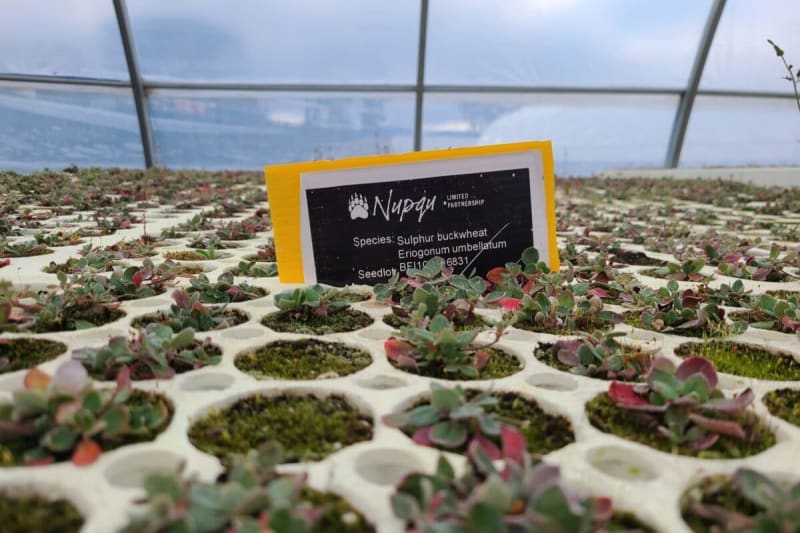
A small cluster of sulfur buckwheat seedlings in British Columbia represents something much bigger: the revival of an entire ecosystem and a people's ancestral connection to their land.
The Nupqu Native Plant Nursery, owned by the Ktunaxa First Nation, has become Canada's largest Indigenous-owned native plant nursery since launching five years ago. What started as a modest operation now produces 2.5 million seedlings each year across 60 native species.
The nursery sits on traditional Ktunaxa territory in southeastern British Columbia, a vast 27,000 square mile landscape of alpine meadows, forests, and streams. For generations, industrial mining and logging left deep scars across this land.
Now the Ktunaxa people are healing it, one seedling at a time.
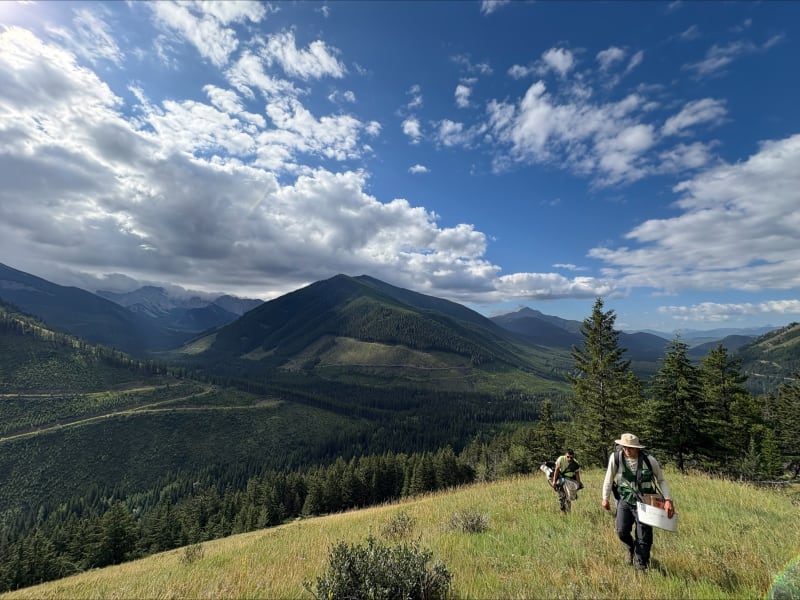
Seed specialist Melanie Redman and her team walk through grasslands and forests collecting seeds before development disturbs the land. They rescue the genetic diversity of each site, ensuring new plants will thrive in those exact conditions.
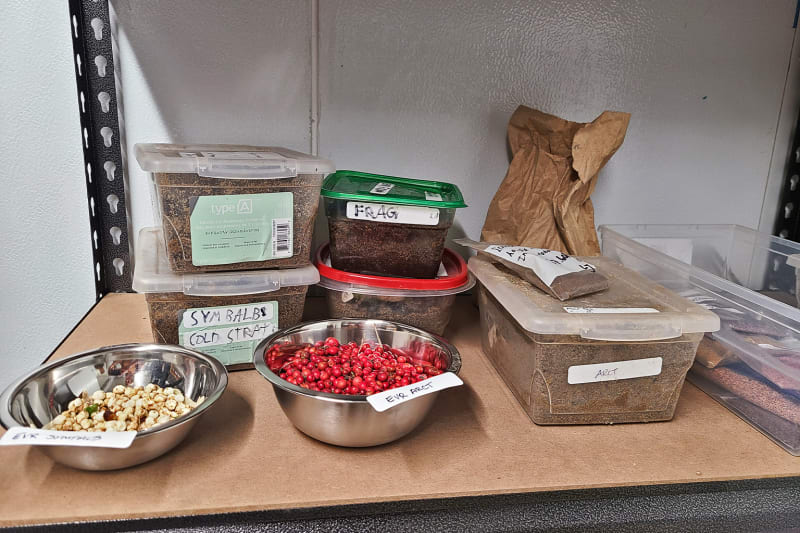
The real breakthrough came through patience and experimentation. Take sulfur buckwheat, a high-altitude species crucial for restoring degraded land. It normally takes two to three years to grow from seed to seedling. This year, Nupqu got it down to one.
"We're trying to encourage every group to utilize native seed," Redman says. "And then from our end, we're trying to build that industry."
The process requires intimate knowledge of each plant. Some seeds need freezing. Others need heat. Bearberry seeds must be soaked in acid to break through their tough coating, mimicking what happens in a bear's digestive system.
Most of these species have no commercial timber value, so little research existed on how to grow them. The Nupqu team learned through trial and error, building expertise that didn't exist before.
The Ripple Effect
The nursery's impact extends far beyond the Ktunaxa territory. By proving Indigenous-led restoration works at scale, Nupqu is helping build an entire native plant nursery industry across British Columbia.
For Ktunaxa Nation citizen Joe Pierre, who serves on the board, the work fulfills an ancient responsibility. "It really works for our principles, our stewardship responsibilities," he says. "It allows us to do that kind of work throughout our homelands."
The nursery operates under Ktunaxa values from their creation story: they are stewards and caretakers of the land. CEO Corrie Walkley sees the nursery as creating balance between industrial development and ecological restoration.
Each seedling grown represents more than environmental restoration. It's cultural restoration too, reconnecting the Ktunaxa people with their role as land guardians.
The 700,000 seedlings growing on site right now will soon join millions of others already replanted across forests and meadows, quietly transforming scarred earth back into thriving ecosystems where bears, birds, and berries flourish again.
More Images
Based on reporting by Mongabay
This story was written by BrightWire based on verified news reports.
Spread the positivity!
Share this good news with someone who needs it