Indigenous Team Uses Science to Block Amazon Mine
In Ecuador's Amazon, Indigenous paraecologists are documenting jaguars and endangered species to stop a massive copper mine. Their secret weapon? The country's groundbreaking "rights of nature" laws that give ecosystems legal protection.
When Olger Kitiar spotted the massive jaguar track in the mud, he didn't just marvel at the sight. He pulled out his camera and started gathering evidence that could save his rainforest home.
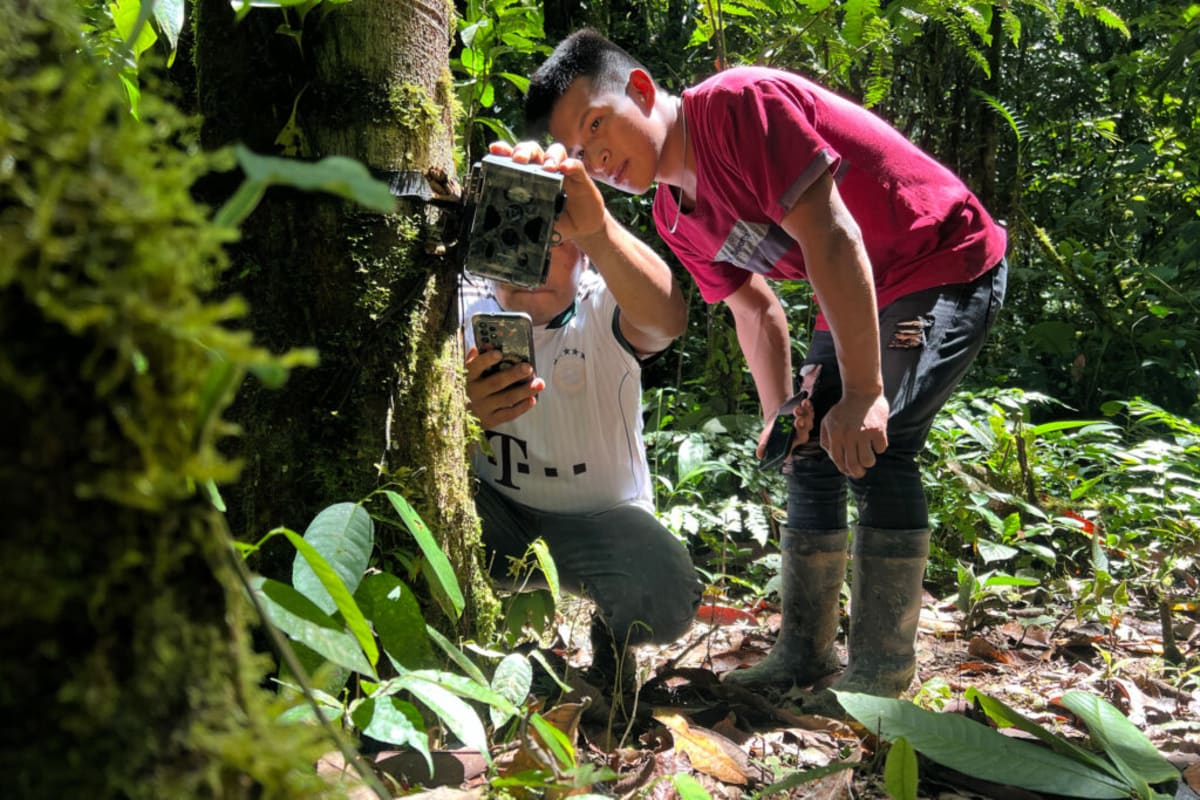
Olger and Jhostin Antún are paraecologists in Maikiuants, Ecuador, high in the southeastern Amazon near the Peruvian border. They're part of a growing movement using science to protect their ancestral lands from a Canadian mining company that wants to carve an open-pit copper mine into these mountains.
The work is simple but powerful. Armed with camera traps, water testing kits, and generations of Indigenous knowledge, they document every endangered species, waterfall, and medicinal plant in their territory. Each jaguar print, each rare bird sighting, each water sample becomes legal ammunition.
Their timing couldn't be better. Since 2008, Ecuador has recognized something revolutionary: nature has rights. Ecosystems aren't property like cars or microwaves. They're living subjects with legal rights to exist, regenerate, and thrive.
That means before approving massive projects like mining operations, the government must prove it won't violate nature's rights. And that's where paraecologists like Olger and Jhostin come in.
They work with Ecoforensic, a nonprofit that trains community members to become "paramedics for ecosystems." These aren't professional scientists with PhDs. They're people who've lived in these forests their entire lives, now equipped with tools to translate their knowledge into courtroom evidence.
The approach is already winning. In 2023, paraecologists in Ecuador's Intag Valley helped block a proposed mega copper mine by documenting endangered species the company's own environmental studies had missed. The court sided with nature.
Now the same strategy is unfolding in Maikiuants. The jaguar track Olger photographed isn't just beautiful. It's proof that these forests support species whose legal rights the mining company must respect.
The Ripple Effect
This movement extends far beyond Ecuador's borders. As biodiversity collapses worldwide and Indigenous communities face increasing pressure from extractive industries, the paraecologist model offers a blueprint for resistance rooted in both traditional knowledge and modern science.
Communities in biodiverse regions often lack scientific data about their own ecosystems, making it easy for companies and governments to dismiss their concerns. Paraecologists are changing that power dynamic, creating evidence that holds up in court while keeping knowledge and decision-making power in local hands.
The copper beneath Maikiuants isn't going anywhere. But thanks to people like Olger and Jhostin, the jaguars, waterfalls, and forests above it have a fighting chance.
Based on reporting by Inside Climate News
This story was written by BrightWire based on verified news reports.
Spread the positivity!
Share this good news with someone who needs it