
Indigenous Villagers Stop Mega-Dam, Save 20,000 Homes
Indigenous communities in Borneo maintained a road blockade for 26 months and defeated a massive dam project that would have flooded their forest homes. Their victory has become a blueprint for environmental activism worldwide.
Twenty thousand people on the island of Borneo were scheduled to lose their homes to a massive hydroelectric dam, but the Indigenous communities who called that forest home had other plans.
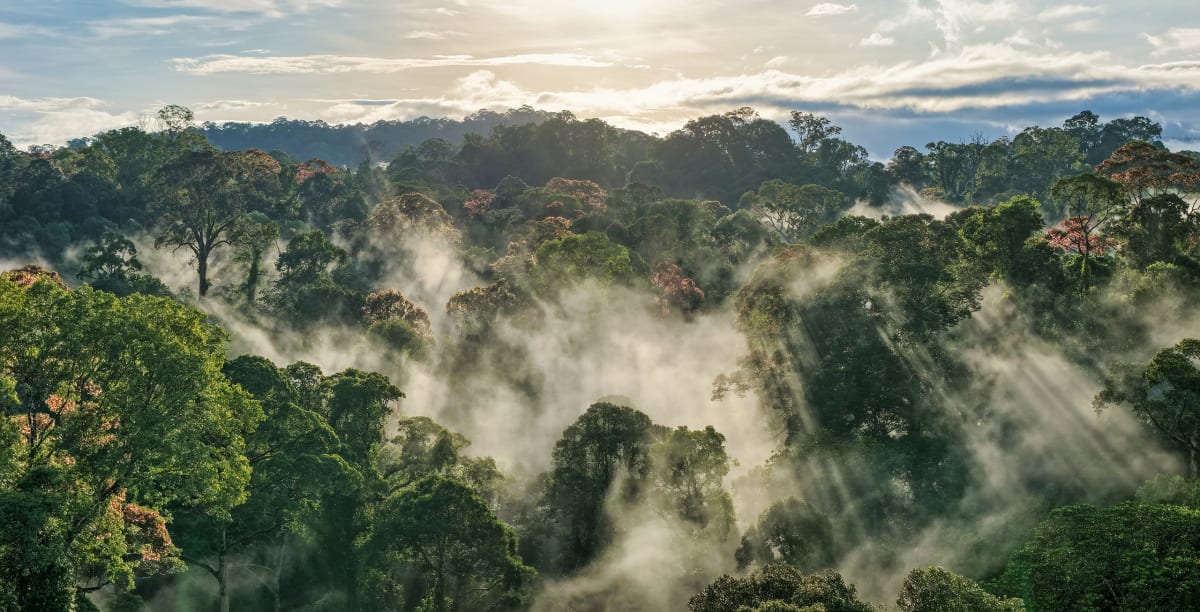
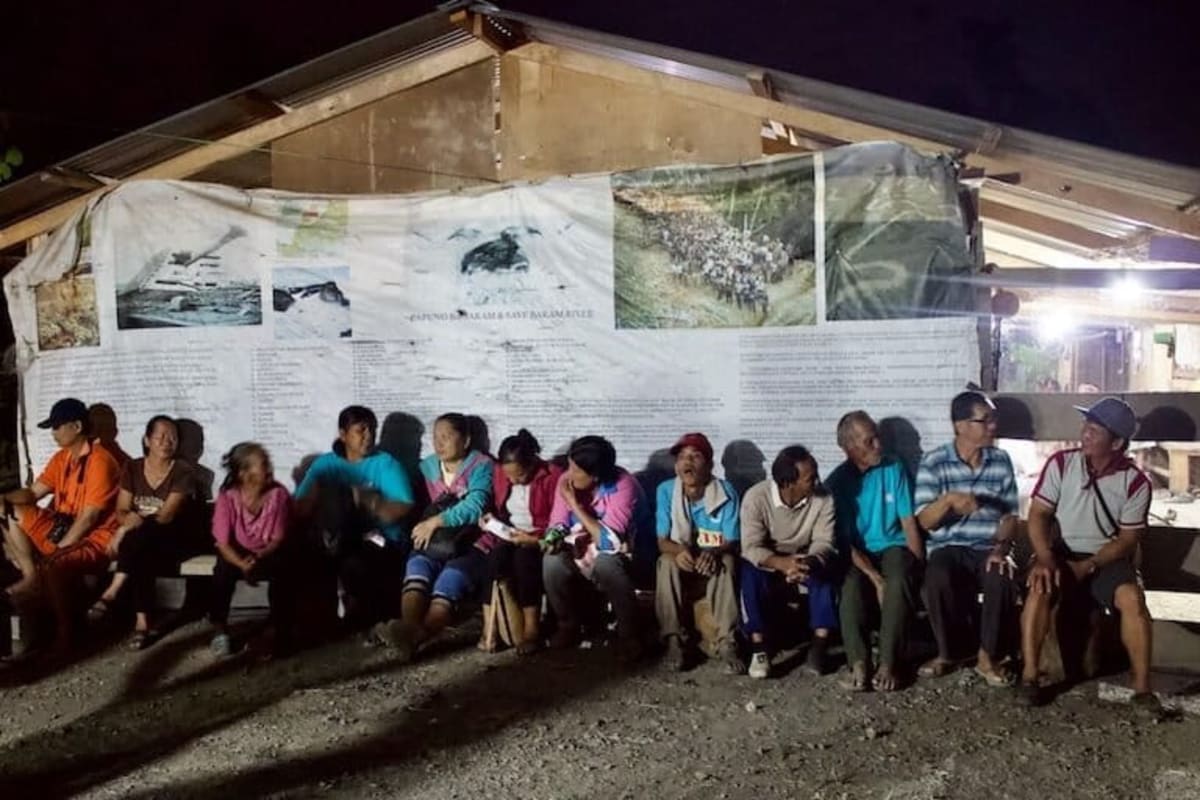
In October 2013, villagers along the Baram River in Malaysia set up blockades to stop construction of the Baram Dam, a project that would have drowned over 400 square kilometers of rainforest. For 26 months straight, teams from affected longhouses stood their ground despite threats, harassment, and intimidation.
James Nyurang, headman of Tanjung Tepalit village, was among the leaders who anchored the resistance. The blockaders faced violent attempts to break their resolve, but they never backed down.
Their persistence paid off. In 2015, the dam project was officially defeated. The villagers kept their homes, their forest still stands, and their victory halted plans for 12 additional dams in the region.
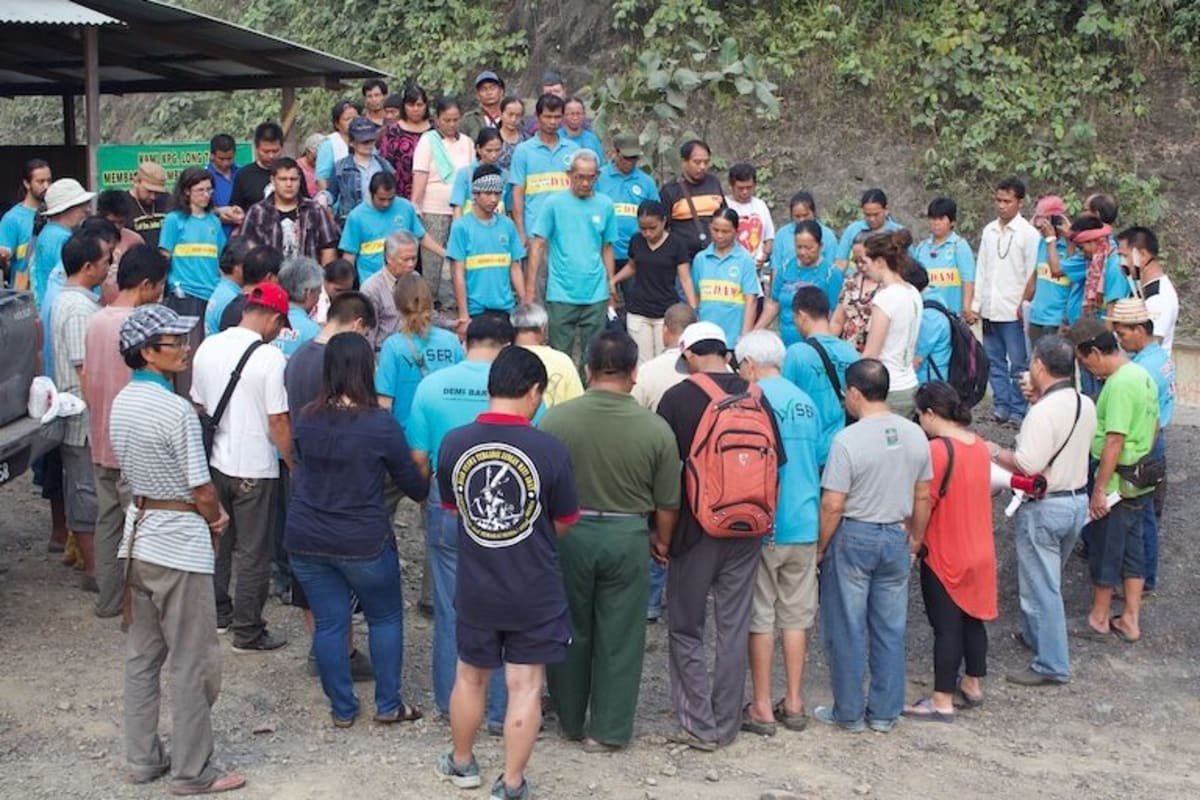
The campaign succeeded because it combined three key elements: Indigenous-led physical resistance, independent scientific research, and international support that amplified local voices without drowning them out. In October 2015, as victory became clear, Indigenous activists from seven countries gathered at Tanjung Tepalit for the World Indigenous Summit on Environment and Rivers.
Peter Kallang, founder of local advocacy group SAVE Rivers, told the assembly of Muslims, Catholics, Evangelicals, Buddhists, and traditional faith practitioners: "We are people of many faiths, but we are united in one mission. To protect our forest homes and our ways of life."
The Ripple Effect
The Baram victory has inspired environmental campaigns around the world. The model of sustained local resistance supported by global solidarity has been replicated in communities fighting destructive projects from Brazil to Cambodia.
Research backs up what these communities already knew. Studies from Oxford's business school show that mega dams typically run twice over budget, take longer than promised, and harm the economies they claim to help. Meanwhile, Nobel laureate Elinor Ostrom's research confirms that Indigenous peoples are the best protectors of rainforest.
The Baram blockaders proved that patient, principled resistance works. They showed that communities defending their homes can stand up to state-backed mega projects and win. Most importantly, they demonstrated that protecting forests and protecting people go hand in hand.
Ten years later, the Baram River still flows free through standing forest, and 20,000 people still call it home.
More Images

Based on reporting by Mongabay
This story was written by BrightWire based on verified news reports.
Spread the positivity!
Share this good news with someone who needs it