Indonesia Auto Show: Electric Vehicles Take Over Market
Southeast Asia's largest auto show just proved the electric vehicle revolution is no longer coming—it's here. More than 65 brands gathered in Jakarta to showcase a future where clean transportation dominates, not competes.
📺 Watch the full story above
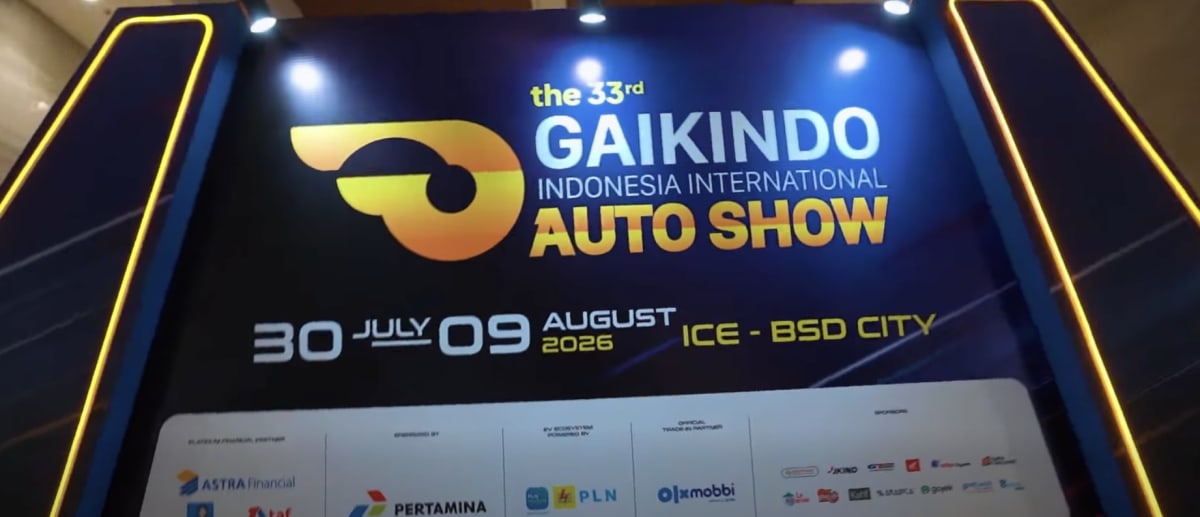
The 33rd Indonesia International Auto Show opened its doors in Jakarta with a clear message: the age of electric vehicles has arrived in Southeast Asia.
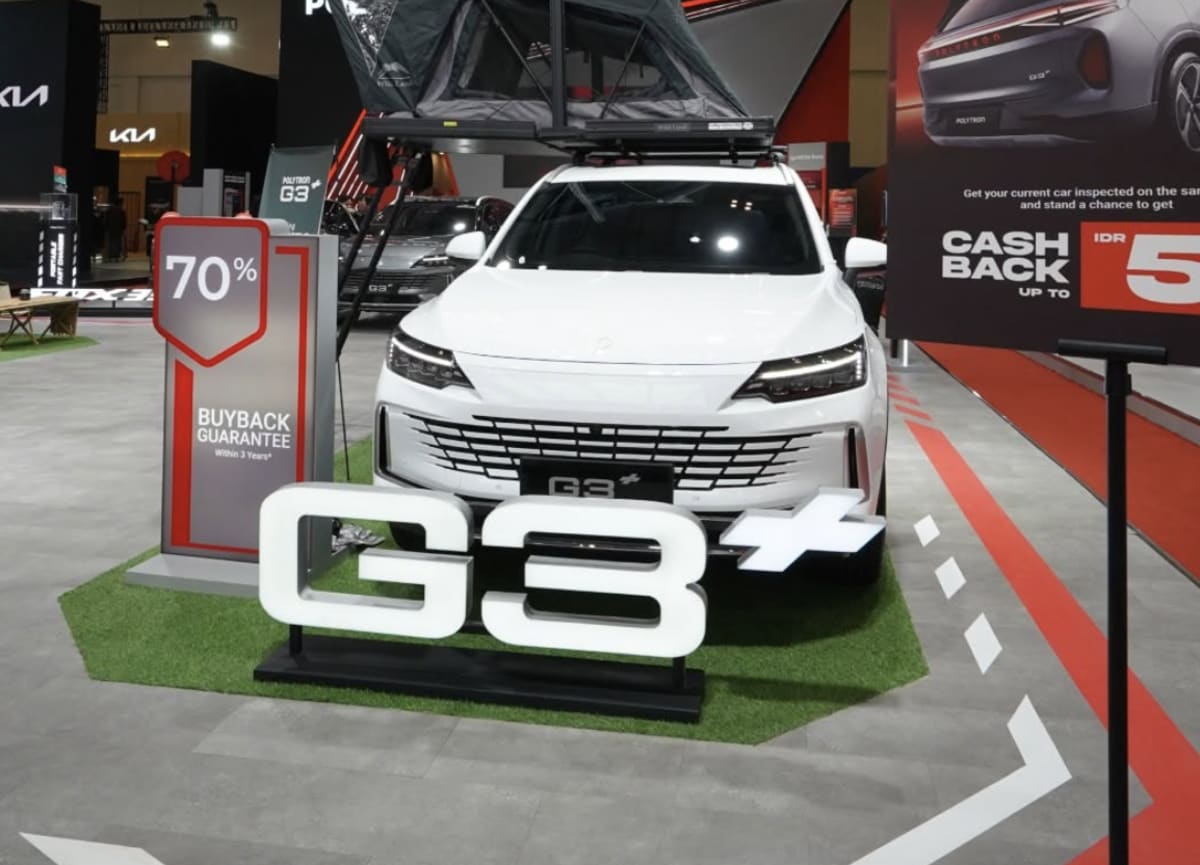
Running through August 9, 2026, the exhibition at BSD City's Indonesia Convention Exhibition features more than 65 automotive brands, with pure electric models commanding center stage for the first time in the event's history. This marks a dramatic shift in a market that has historically been dominated by traditional gasoline-powered vehicles.
Honda grabbed headlines with the ASEAN debut of its Super-One compact electric hot hatch, a zippy urban vehicle that proves electric doesn't mean boring. The lightweight model features a dedicated Boost Mode button on the steering wheel that kicks power up to 95 horsepower, giving drivers that instant acceleration thrill electric motors are famous for.
Chinese, South Korean, and Vietnamese automakers are using the event to establish strong footholds in Indonesia through local assembly partnerships and expanded charging networks. BYD presented its full electric lineup, including the Dolphin hatchback, Atto 3 crossover, and the family-focused M6 multi-purpose vehicle designed specifically for Southeast Asian buyers who need space for extended families.
Chery introduced the Chery Q, an affordable electric hatchback that travels up to 400 kilometers on a single charge and recharges from 30 to 80 percent in just 16.5 minutes. The vehicle comes packed with 20 driver assistance systems and six airbags, proving that budget-friendly no longer means cutting corners on safety.
Changan made its Indonesian debut with the Deepal S05, offering both a fully electric version and a range-extended model that uses a small gasoline engine solely to generate electricity. This flexible approach addresses buyer concerns about charging infrastructure while still delivering the smooth, quiet ride of electric driving.
Great Wall Motor unveiled the Ora 5 electric hatchback, while newcomer BAW introduced the M8 electric premium van and T10 Pro electric commercial truck, signaling that the electric revolution extends beyond passenger cars into commercial fleets.
The Ripple Effect
Indonesia's embrace of electric vehicles creates momentum across Southeast Asia, a region of 680 million people. As charging infrastructure expands and prices become more competitive, the environmental benefits multiply: cleaner air in crowded cities, reduced dependence on imported oil, and significant cuts in carbon emissions.
Local assembly partnerships announced at the show mean jobs and economic growth alongside environmental progress. When major automakers commit to building vehicles in Indonesia rather than just importing them, they're investing in the country's manufacturing future while making electric vehicles more affordable through reduced costs.
The show proves that developing nations aren't waiting for wealthy countries to solve climate challenges—they're leaping directly to cleaner technology.
The transition to electric vehicles in Southeast Asia isn't just possible anymore—it's already happening.
More Images

Based on reporting by Google News - Electric Vehicle
This story was written by BrightWire based on verified news reports.
Spread the positivity!
Share this good news with someone who needs it