Indonesia Cave Art From 67,800 Years Ago Rewrites History
Scientists discovered the world's oldest known rock art in an Indonesian cave—a 67,800-year-old hand stencil that predates any artwork found in Europe. This ancient masterpiece reveals how early humans journeyed across Southeast Asia on their way to Australia.
A faint handprint on a cave wall in Indonesia just became humanity's oldest known artwork, pushing back our understanding of ancient creativity by more than a thousand years.
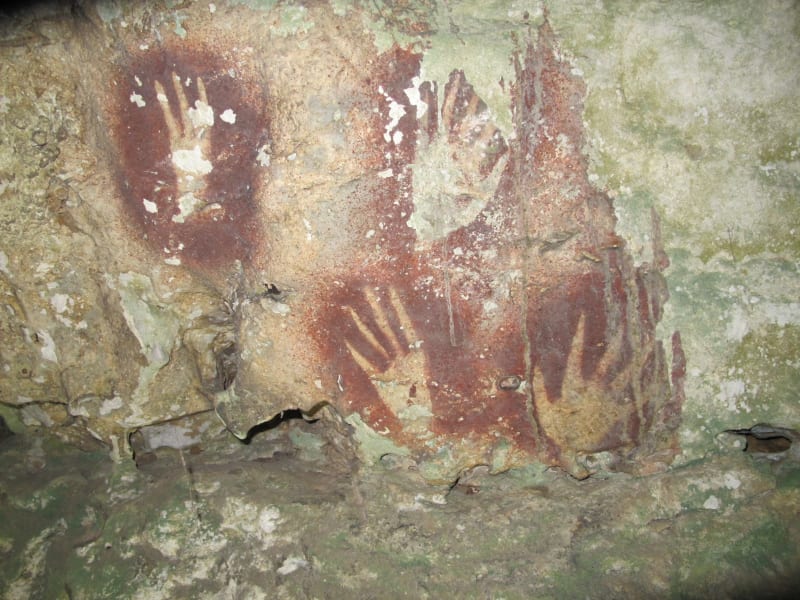
Researchers dated the hand stencil in Sulawesi's Liang Metanduno cave to at least 67,800 years ago, making it 1,100 years older than previously record-holding cave art in Spain. The discovery, published in the journal Nature, shows modern humans were creating sophisticated art in Southeast Asia tens of thousands of years before they reached Europe.
The handprint measures about 5.5 by 3.9 inches, with fingers purposefully narrowed using an artistic technique found only in Sulawesi. While the image has faded over millennia, the outline of fingers and palm remains visible on the cave wall where an ancient artist once placed their hand.
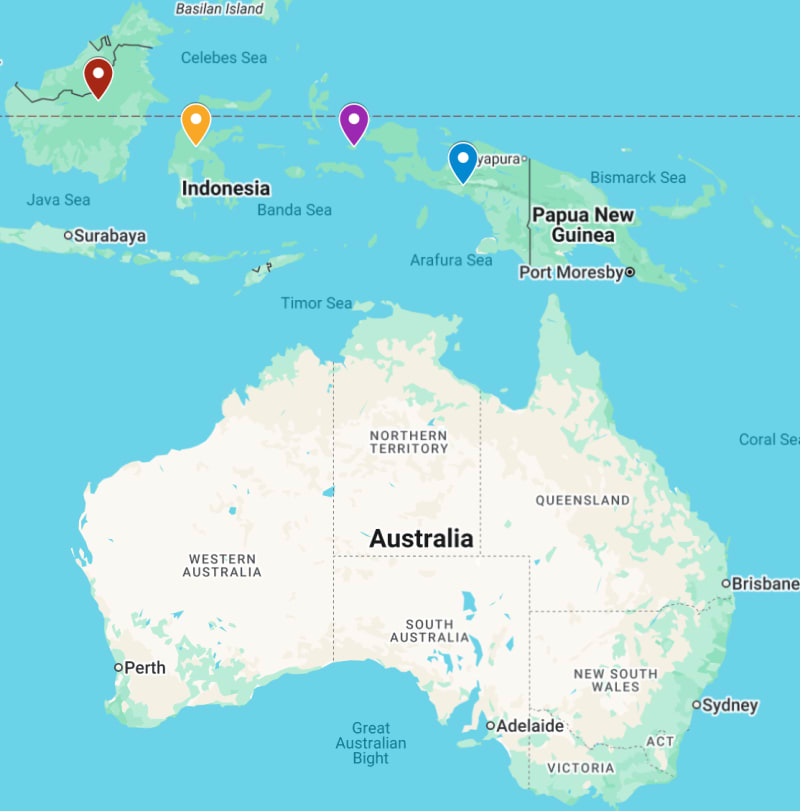
Study lead author Adhi Agus Oktaviana explained that these early artists were likely part of the population that eventually reached Australia at least 60,000 years ago. The cave sits on a critical point along the northern route humans took from Borneo through Sulawesi to Papua and eventually Australia.
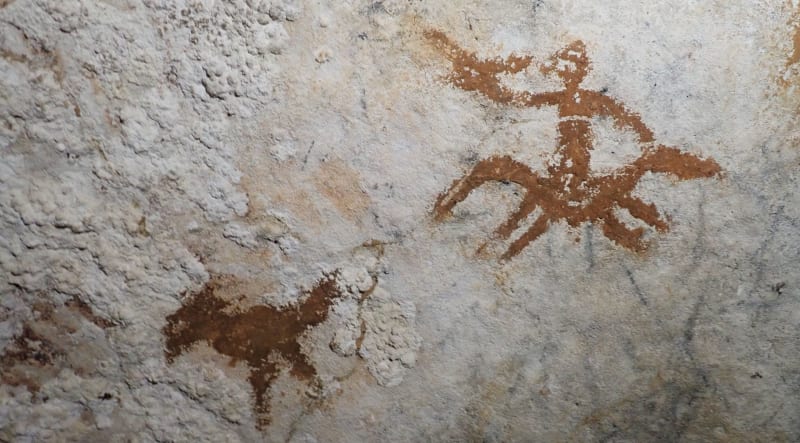
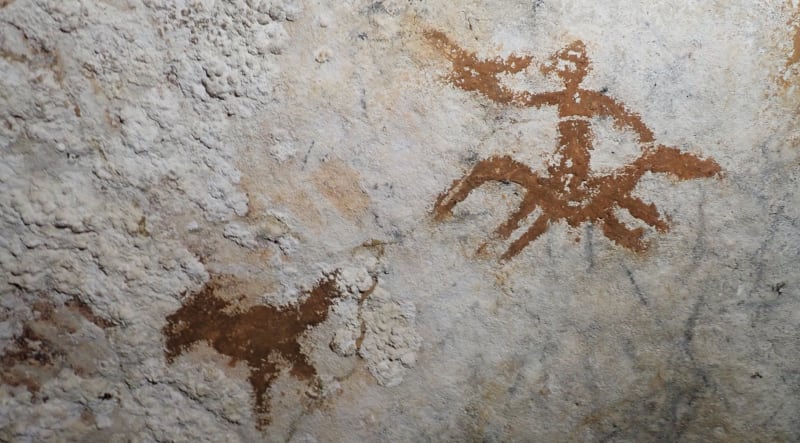
The research team examined 11 prehistoric designs across eight caves, including seven hand stencils, two human figures, and two geometric patterns. They dated the artworks by measuring calcium carbonate deposits that formed over the images after they were created.
Right next to the oldest handprint sits another stencil made with darker pigment dating to no older than 32,800 years ago. This means humans returned to paint in this cave over at least 35,000 years, treating it as a sacred canvas across countless generations.
Why This Inspires
These ancient hand stencils weren't just art for art's sake. Study co-author Maxime Aubert believes they represented group membership and cultural identity, a way of saying "we belong here, we are part of this community."
The artists likely created the stencils by spraying pigment over their hands with their mouths. This technique opens an exciting possibility: scientists might extract DNA from the artwork itself, potentially giving us the genetic signature of the individual artist who lived nearly 70,000 years ago.
The discovery fills a crucial gap in understanding how our ancestors spread across the planet. Each handprint is a message sent across time, proving that the drive to create, to leave a mark, to say "I was here" has been part of being human since the very beginning.
This Indonesian cave reminds us that human creativity and community have ancient roots, stretching back far longer and wider than we ever imagined.
More Images

Based on reporting by Live Science
This story was written by BrightWire based on verified news reports.
Spread the positivity!
Share this good news with someone who needs it