Indonesia Finds Rare Baby Whale Shark in Key Discovery
Indonesian fishers and scientists discovered one of fewer than 40 baby whale sharks ever documented, offering crucial clues to where the world's largest fish gives birth. The four-month-old pup swimming in Saleh Bay could help scientists protect these endangered ocean giants. #
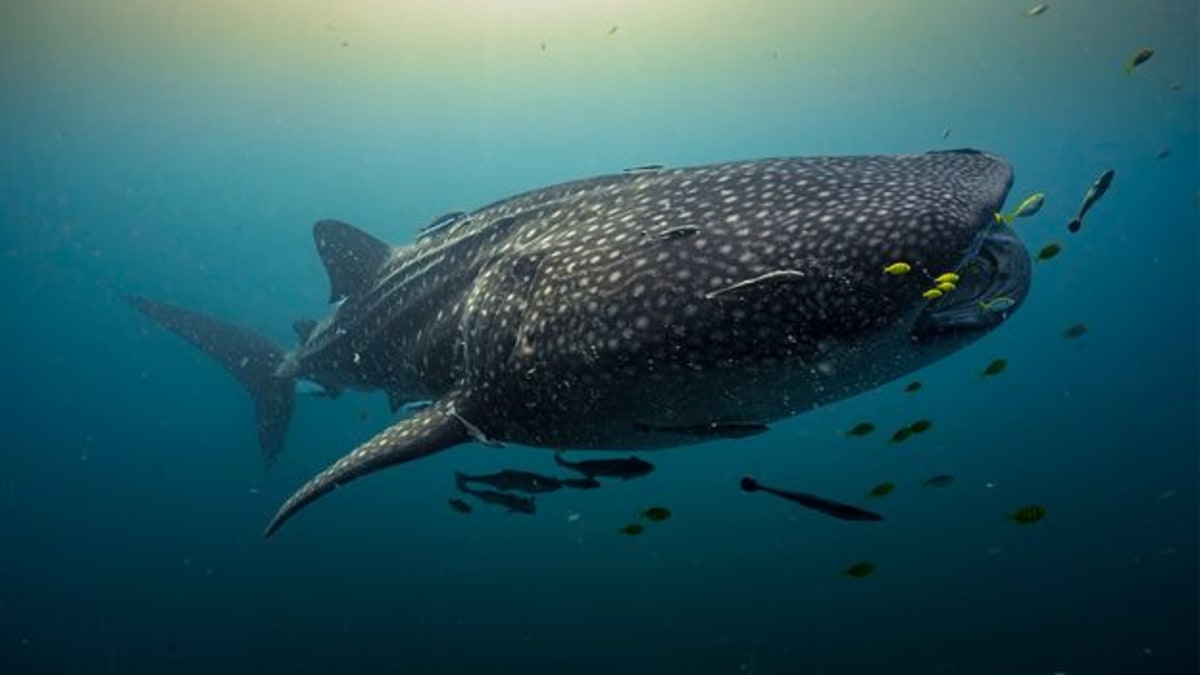
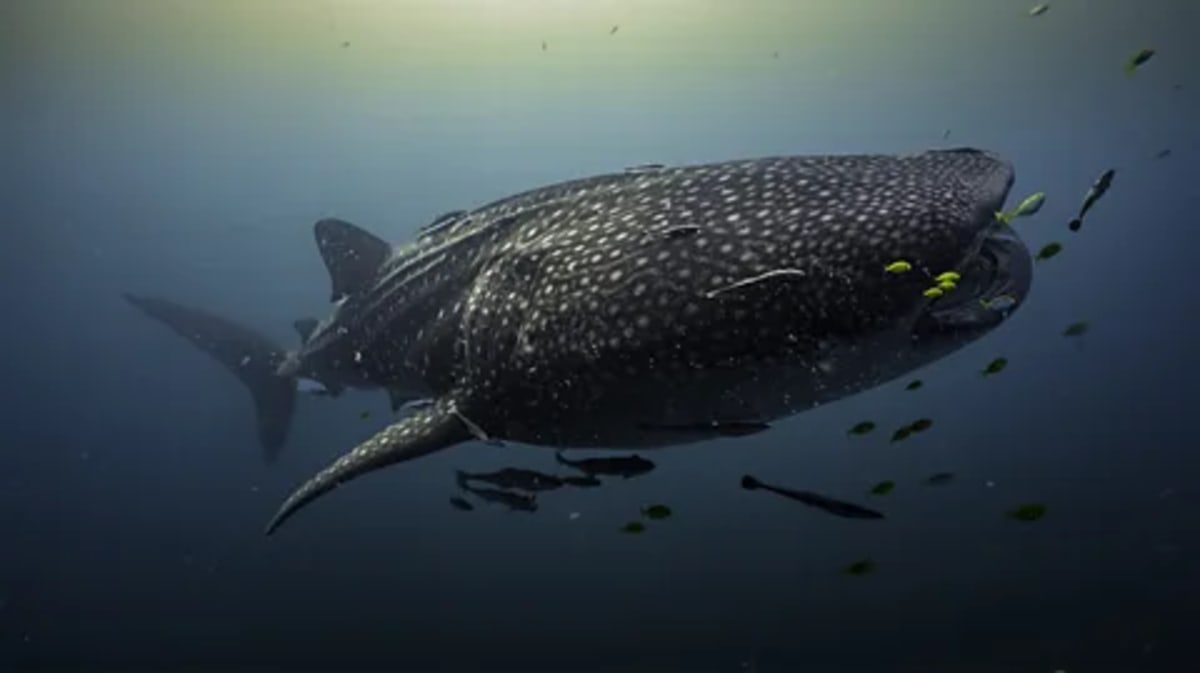
Fishers working the waters of Saleh Bay in Indonesia spotted something extraordinary just after dawn on September 6, 2024: a five-foot whale shark tangled in their nets, its charcoal body dotted with white spots like stars.
This wasn't just any whale shark. At just four months old, it was one of fewer than 40 baby whale sharks ever documented by science, and the first ever found in Indonesian waters.
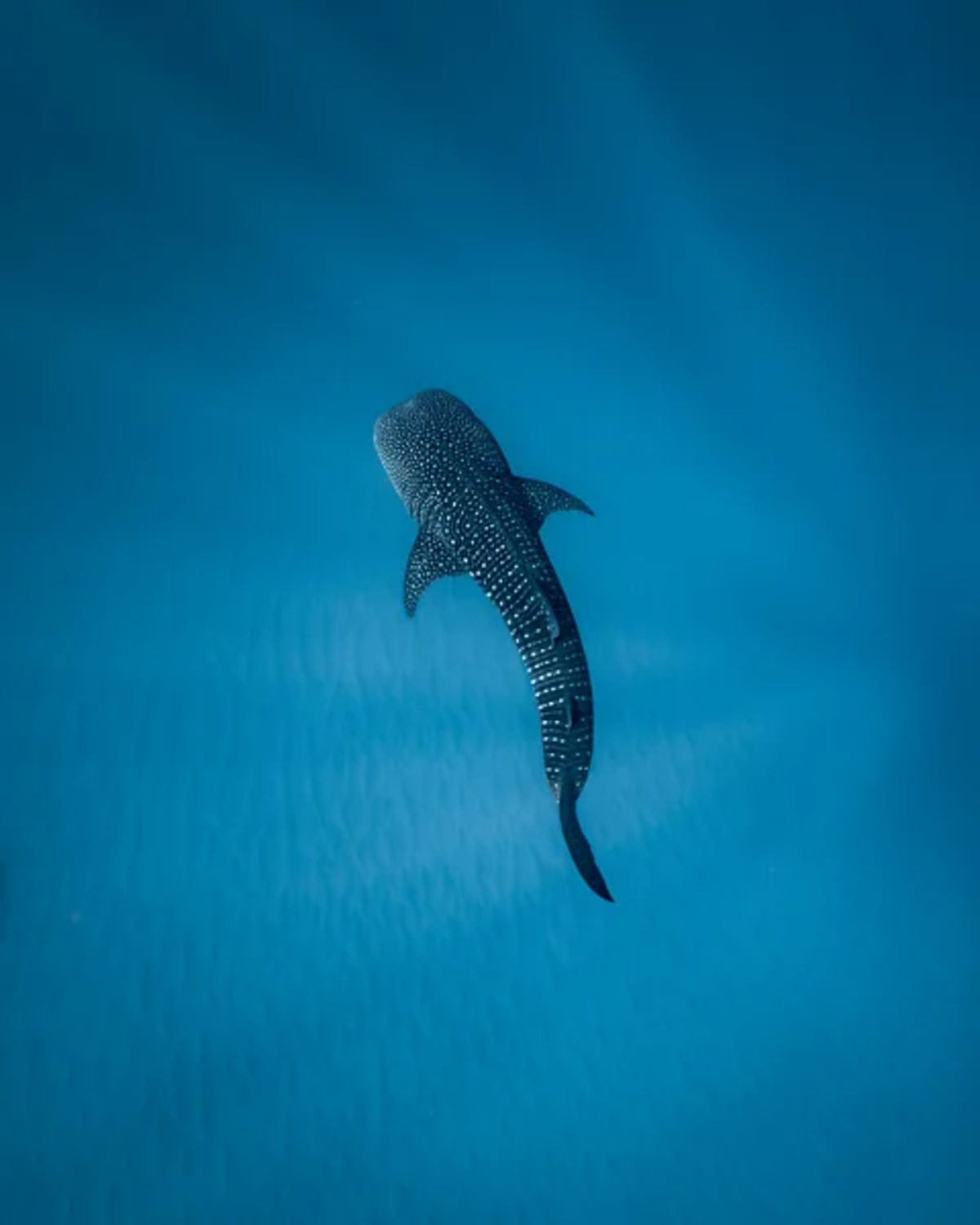
The discovery excites marine scientist Mochamad Iqbal Herwata Putra for one big reason: nobody has ever seen where whale sharks are born. Despite being the world's largest fish, weighing as much as six elephants and growing up to 50 feet long, these gentle giants have kept their nurseries secret from humans.
Finding this baby swimming in the sheltered cove of Saleh Bay suggests scientists may be close to solving the mystery. The bay's cool, deep waters bring abundant krill and small fish that attract whale sharks, offering young pups plenty of food and protection from predators like blue sharks.
Herwata Putra, who works with the nonprofit Konservasi Indonesia, believes this enclosed bay could be a birthing ground and nursery where baby whale sharks spend their first weeks of life. The mangrove ecosystems surrounding the water create perfect conditions for tiny sharks to grow safely.
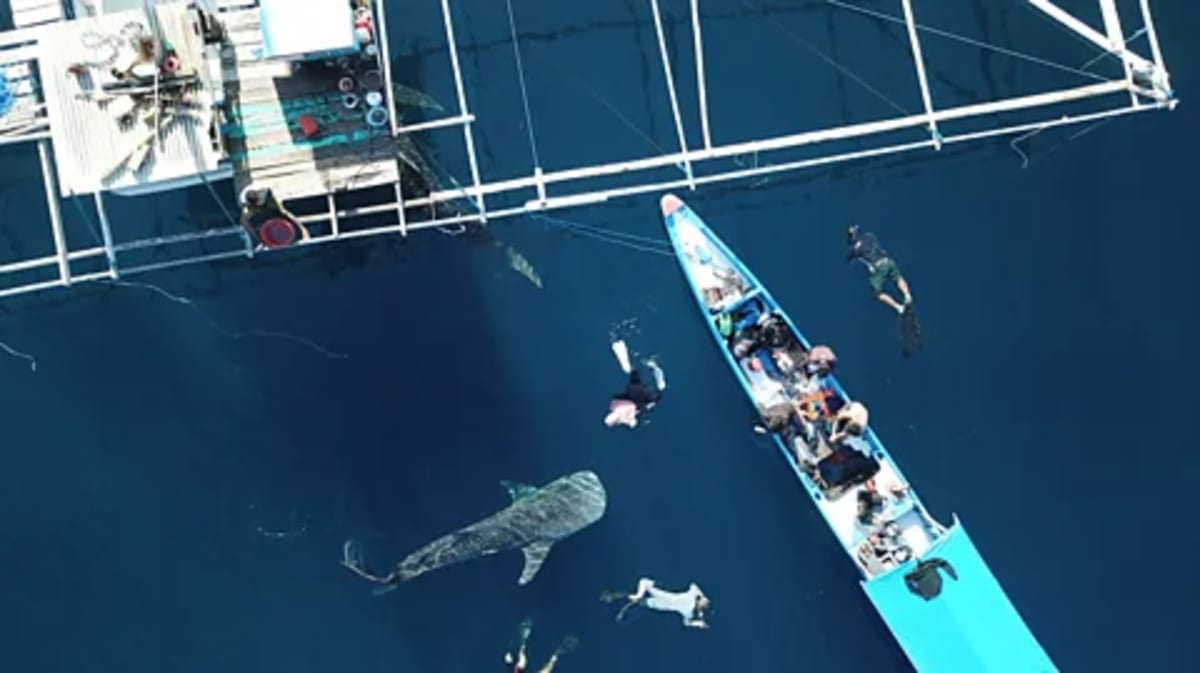
The discovery came through collaboration between local fishers and scientists. Many of these same fishers once feared or avoided whale sharks, but now they alert researchers when they spot the gentle giants.
Why This Inspires
This partnership between fishers and scientists shows how communities can work together to protect endangered species. Whale shark populations have dropped by more than half since the 1980s due to fishing, shipping, and climate change.
Finding nursery grounds could be key to reversing that decline. If scientists can identify where baby whale sharks grow up, they can push for protection of these critical habitats.
The baby discovered in September could live until 2150 if humans manage the threats it faces. Each new discovery brings hope that we're learning fast enough to save these ancient wanderers.
Scientists use NASA star-mapping technology to identify individual whale sharks by their unique dot patterns, tracking their globe-spanning migrations. One female was recorded swimming 7,000 kilometers across the ocean.
This tiny Indonesian pup represents something bigger than one fish: it's proof that mysteries still hide in our oceans, and communities working together can unlock them.
#
More Images

Based on reporting by Google News - Science
This story was written by BrightWire based on verified news reports.
Spread the positivity!
Share this good news with someone who needs it