Iran Maps DNA of Cheetahs and Bears to Save Them
Iran is creating genetic maps for endangered species like Asiatic cheetahs and Persian yellow deer to prevent extinction. The country has already brought two species back from the brink using science and community action.
Scientists in Iran are mapping the DNA of endangered animals to give them a fighting chance at survival.
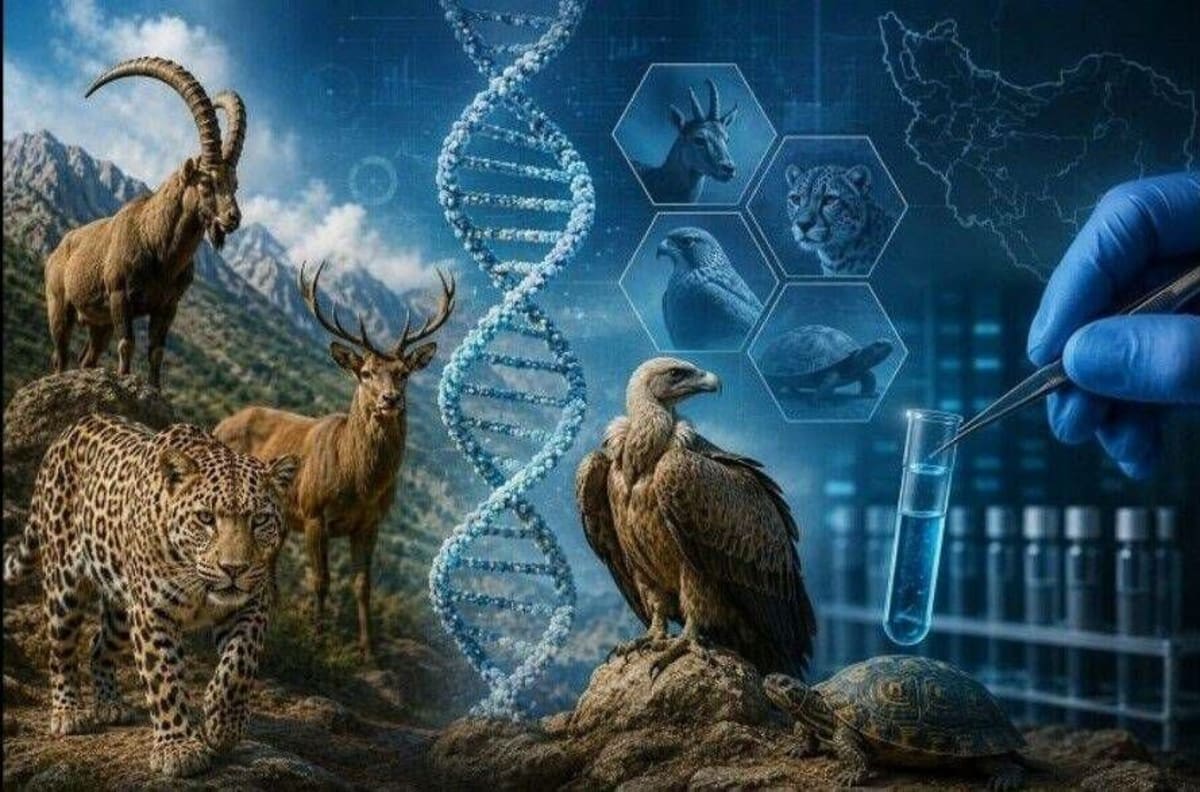
The Department of Environment is creating detailed genetic profiles for the country's most threatened species, including Asiatic cheetahs, black bears, and Persian yellow deer. The project involves partnerships between government agencies and major universities to build a scientific foundation for saving wildlife.
The genetic maps will help conservationists make smarter breeding decisions, avoid harmful inbreeding in small populations, and manage remaining animals more effectively. Scientists are studying everything from the genomic diversity of endangered vipers to family relationships within the critically threatened Persian zebra population.
Leila Ezzeddinlou, who heads the National Museum of Natural History and Genetic Resources, explains that conservation simply doesn't work without understanding population genetics. The research ensures that every decision about these animals is based on solid data rather than guesswork.
About 154 vertebrate species and a quarter of all plant species in Iran face extinction risk. The Asiatic cheetah, black bear, great bustard, and yellow deer all teeter on the edge of disappearing forever.
The Bright Side
Iran has already proven this approach works. For decades, experts believed the Persian yellow deer had vanished from Earth entirely. Then 65 years ago, researchers spotted some in the Dez and Karkheh forests.
Conservationists immediately launched a breeding program, raising deer in protected settings before releasing them into their natural habitats. This March, the first Persian yellow deer was born in Karkheh National Park, marking a milestone for the species.
The Persian zebra tells a similar success story. This critically endangered subspecies of onager recently welcomed a new foal in Yazd province, bringing the total population above 50 animals. That's a remarkable improvement driven by better habitat management and scientific conservation.
The Ripple Effect
These wins show what's possible when scientists, local communities, and government agencies work together. The genetic mapping project builds on these successes by giving conservationists even more powerful tools to protect wildlife.
Every species saved preserves unique genetic diversity that took millions of years to develop. These animals play irreplaceable roles in their ecosystems, from controlling prey populations to dispersing seeds across forests.
The project also creates a blueprint that other countries can follow when protecting their own endangered species.
Iran's Department of Environment isn't just fighting extinction anymore—it's writing recovery stories.
Based on reporting by Google News - Endangered Species Recovery
This story was written by BrightWire based on verified news reports.
Spread the positivity!
Share this good news with someone who needs it