Indonesia Fishers Plant Mangroves, Triple Crab Income
Fishers on Indonesia's Lombok Island combined mangrove planting with sustainable crab farming, boosting their income while restoring vital coastal ecosystems. The community-led solution could provide a blueprint for balancing livelihoods with conservation across the world's largest mangrove estate.
Jamil stood at the water's edge with a bucket of fish scraps, waiting for the mud crabs to emerge from their burrows as sunset approached. Just a few years ago, there were hardly any crabs left to feed.
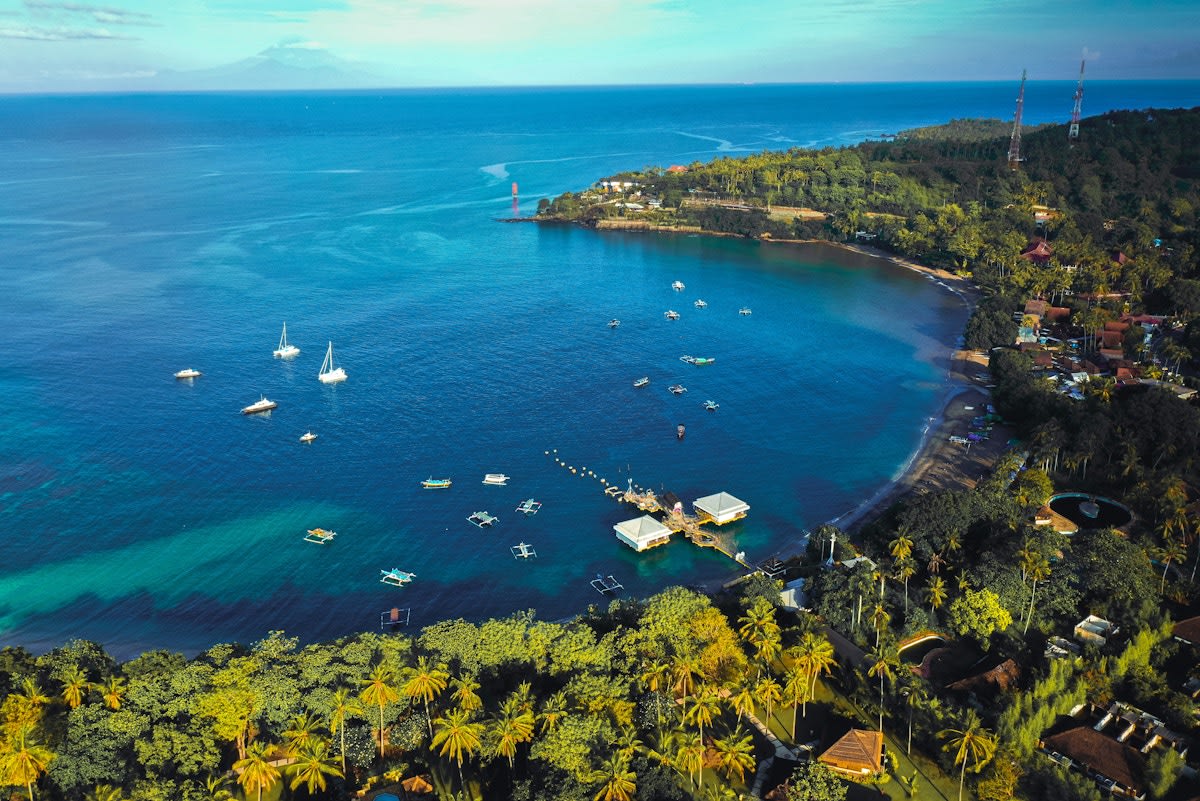
On Lombok Island's east coast, overfishing had devastated the local crab population that families depended on for income. Fishers caught and sold juveniles immediately for quick cash, never giving the crabs time to mature or reproduce. The disappearing crabs forced many parents to seek work overseas, leaving their children behind.
Then 63-year-old Jamil and other Sugian village fishers tried something different. They started planting mangrove trees and raising young crabs to adulthood in the sheltered waters instead of selling them small. The crabs grew bigger in the murky, protected conditions that mangroves create, fetching much higher prices at market.
The approach, called silvofishery, works because mud crabs and mangroves need each other. Mangrove roots provide shelter and support the nutrients crabs feed on, while the crabs dig holes that aerate the soil and keep the forest healthy. It's a natural partnership that benefits both.
Indonesia hosts 8.2 million acres of mangroves, the most in the world, but 40 percent has been cleared or damaged. Aquaculture, including crab and shrimp farming, drove much of that destruction since the 1980s. A government pledge to plant 1.5 million acres by 2024 fell far short of its goal.
The silvofishery model offers hope for solving this problem. Researchers studying similar systems in Java found that healthier mangroves directly supported larger crab populations. The circular system protects coastal ecosystems while improving yields from a fishery worth $5.5 billion in exports.
The Ripple Effect
The impact extends beyond individual paychecks. East Lombok district has Indonesia's highest rate of workers leaving for jobs overseas, with about 14,000 people getting permits last year alone. Mothers typically work as domestic help in the Middle East while fathers labor on Malaysian plantations or Taiwan ships. The local minimum wage is less than half what workers earn in Jakarta.
Better income from sustainable crab farming means fewer families need to separate. Herman, who leads the local fishing organization, says community members learned mostly through trial and error without formal training. They refined their techniques over time, sharing knowledge as they discovered what worked.
The success in Sugian shows that ordinary fishers can restore ecosystems while improving their livelihoods when given the chance. Other villages are now watching closely, hoping to replicate the model along their own coastlines.
More mangroves mean more crabs, more income, and more families staying together on the island they call home.
More Images



Based on reporting by Google News - Reforestation
This story was written by BrightWire based on verified news reports.
Spread the positivity!
Share this good news with someone who needs it