India Now Home to 70% of World's Wild Tigers
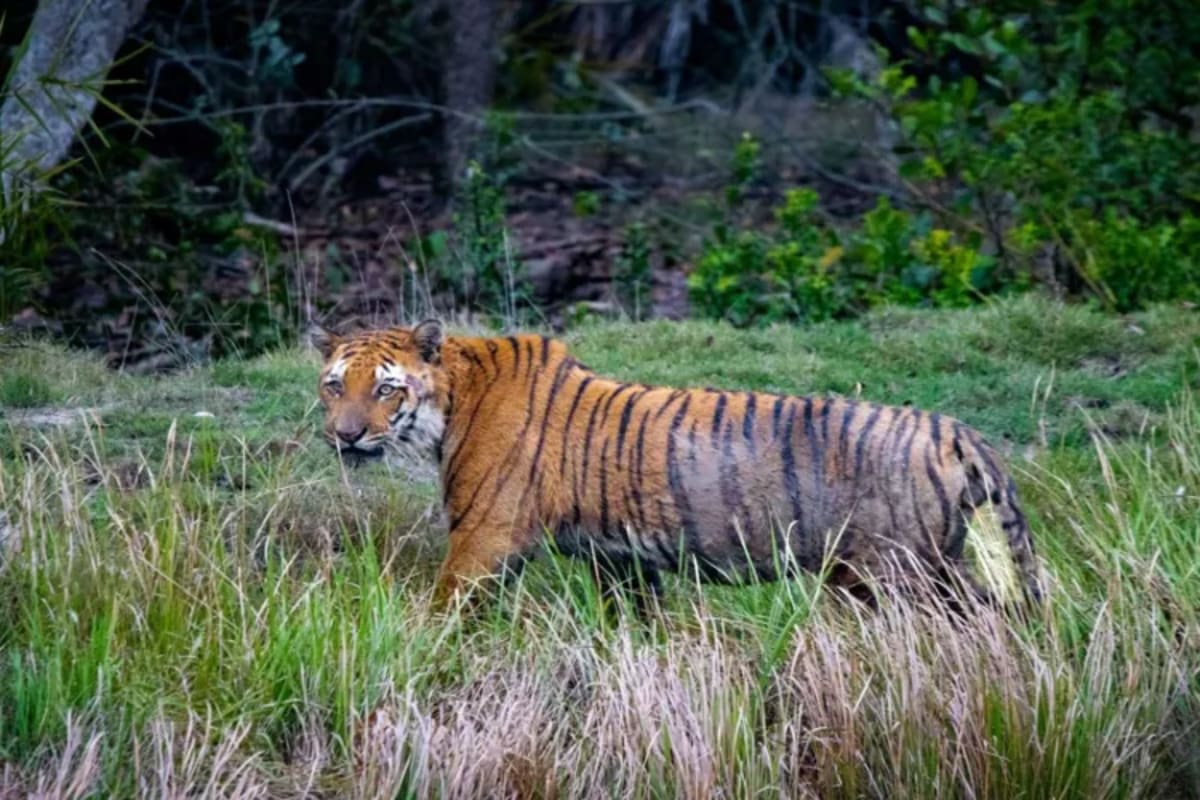
India's tiger population has surged to represent nearly 70% of all wild tigers globally, marking one of conservation's greatest success stories. Communities, scientists, and forest workers came together to protect the majestic cats from the brink of extinction.
India just hit a milestone that seemed impossible decades ago when tigers were vanishing from forests across Asia. The nation now shelters nearly 70% of the world's wild tiger population, proving that science and community action can reverse even the most dire wildlife crises.
Prime Minister Narendra Modi celebrated the achievement on Global Tiger Day, crediting India's deep cultural respect for nature and the collective will of local communities. "India's tiger conservation efforts are inspired by our centuries-old culture of living in harmony with nature," he said on Wednesday.
The turnaround didn't happen overnight. Forest personnel, scientists, and conservationists spent years developing science-based strategies that balanced wildlife protection with human needs. Their work transformed tiger habitats while reducing conflicts between people and the big cats.
Local communities played the starring role in this comeback story. Rather than imposing top-down rules, India's approach empowered villagers living near tiger territories to become conservation partners. This model shows that wildlife thrives when people benefit from protection efforts rather than suffer from them.
The Ministry of Environment, Forest and Climate Change emphasized that saving tigers means saving entire ecosystems. "The story of the tiger is the story of our forests, our rivers and our shared future," the ministry noted. When tiger populations grow, it signals healthy forests, clean rivers, and thriving prey species from deer to wild boar.
The Ripple Effect: Tiger conservation protects far more than one species. These apex predators need vast territories with intact forests, flowing rivers, and abundant prey. By safeguarding tiger habitats, India preserves watersheds that provide clean water to millions of people downstream. The protected forests also serve as carbon sinks fighting climate change and shelter thousands of other species from elephants to rare birds.
Renowned sand artist Sudarsan Pattnaik marked the day by creating a 10-foot tiger sculpture on Puri beach with the World Wildlife Fund. The artwork depicted a tiger family safe in their home, symbolizing the security these animals now enjoy thanks to decades of dedicated work.
India's success offers a blueprint for wildlife conservation worldwide. When governments invest in science, empower local communities, and commit for the long term, even species on the edge of extinction can roar back to life.
Based on reporting by Google News - Conservation Success
This story was written by BrightWire based on verified news reports.
Spread the positivity!
Share this good news with someone who needs it