Guatemala Reforests 30% Around Lake Atitlán in 40 Years
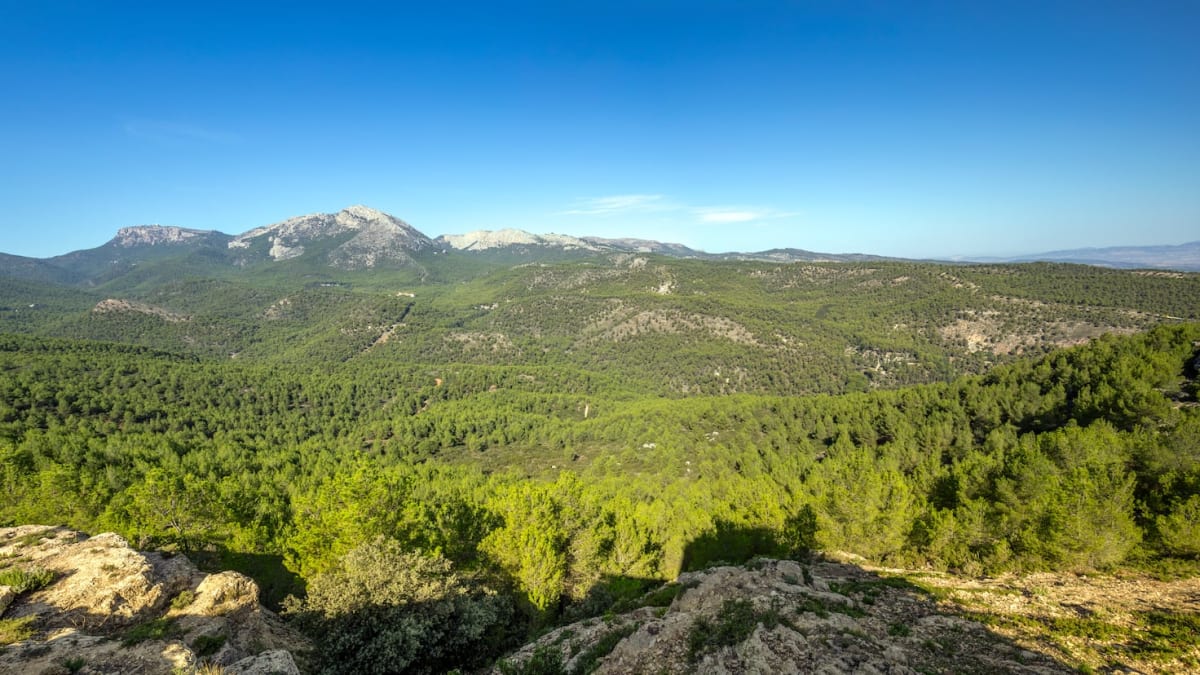
A community-driven effort has brought forests back to Guatemala's Lake Atitlán region, with tree coverage increasing 30% since 1986. The transformation is so dramatic it's visible from space.
When Illinois State University professor Jonathan Thayn compared satellite images of Lake Atitlán, Guatemala from 1986 and 2026, he couldn't believe what he saw. The area around the 50-square-mile lake had gained 30% more forest coverage without major government funding.
Recent graduate Wesley Lebron, whose family emigrated from Guatemala, joined Thayn on a June research trip to understand how this happened. What they discovered was one of the rarest things in environmental conservation: genuinely good news driven entirely by local action.
The story begins with crisis. Guatemala's decades-long civil war destroyed entire forests, leaving bare hillsides prone to deadly landslides. Without tree roots holding soil together, erosion carried fertilizer into Lake Atitlán, triggering toxic algae blooms that threatened to turn it into a poisoned basin like another lake near Guatemala City.
The loss devastated more than just the landscape. The quetzal, Guatemala's national bird featured on its currency and flag, saw its old-growth forest habitat shrink. Farmland dried up as rain evaporated quickly instead of soaking into tree-shaded ground.
After the civil war ended in 1996, resident experts launched an education campaign teaching a simple truth: "Sin los árboles, no tenemos aire, y los árboles traen agua." Without trees, we don't have air, and the trees bring water.
Schoolchildren and farmers learned the science behind what many already knew instinctively. Local entrepreneurs started tree nurseries, selling saplings to neighbors who understood that planting trees wasn't optional anymore.
The approach worked. For nearly three decades, this self-sustaining culture of reforestation has transformed the watershed. Erosion has slowed, the lake's health has improved, and underground water reserves are refilling.
The Ripple Effect
Nearly everyone Thayn and Lebron interviewed could recite those two phrases about trees and survival. The educational campaign created a generation that views reforestation as part of daily life, not a burden.
Local tree nurseries have become thriving businesses, proof that environmental action and economic growth can fuel each other. The transformation shows what communities can accomplish when they combine traditional knowledge with scientific understanding and genuine urgency.
There's a compromise. Fast-growing ash and pine trees now dominate instead of slower-growing native species, reducing biodiversity. But as Thayn notes, the people of Lake Atitlán see it as an improvement over losing everything.
"If we just educate people at a young age to instill values about these things, I feel like there wouldn't be as many problems in the world," Lebron said.
The forests around Lake Atitlán prove that hope isn't naive when backed by community action, education, and the simple understanding that survival requires nurturing what sustains us.
More Images


Based on reporting by Google News - Reforestation
This story was written by BrightWire based on verified news reports.
Spread the positivity!
Share this good news with someone who needs it