Indonesia Launches Multi-Sector Push to End Extreme Poverty
Indonesia's new Multi-Stakeholder Forum brings government, charities, and businesses together to tackle extreme poverty with programs that actually reach villages. Real success stories show how tourism villages and student canteens are already lifting families up. ##
Indonesia just flipped the script on poverty reduction by getting everyone in the same room with the same goal.
The Multi-Stakeholder Forum launched its action phase this July, marking a shift from planning meetings to boots-on-the-ground programs. The Zakat Forum, Indonesian Philanthropy Association, and Humanitarian Forum Indonesia created the platform because poverty programs were scattered and overlapping, leaving gaps in help while duplicating efforts elsewhere.
The challenge is massive. Indonesia has 10,467 severely underdeveloped villages, and thousands more lack basic services or face regular disasters. Yet 49 percent of Indonesians live in villages, supported by $4.7 billion in Village Funds and 146,000 small industries waiting to grow.
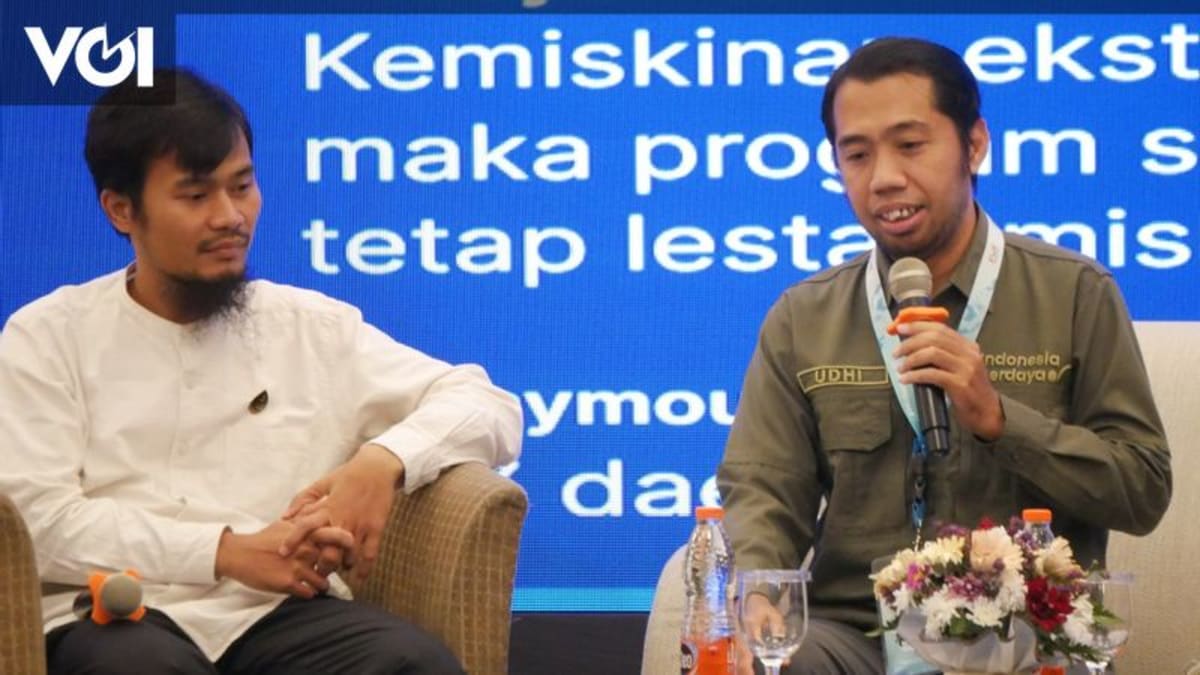
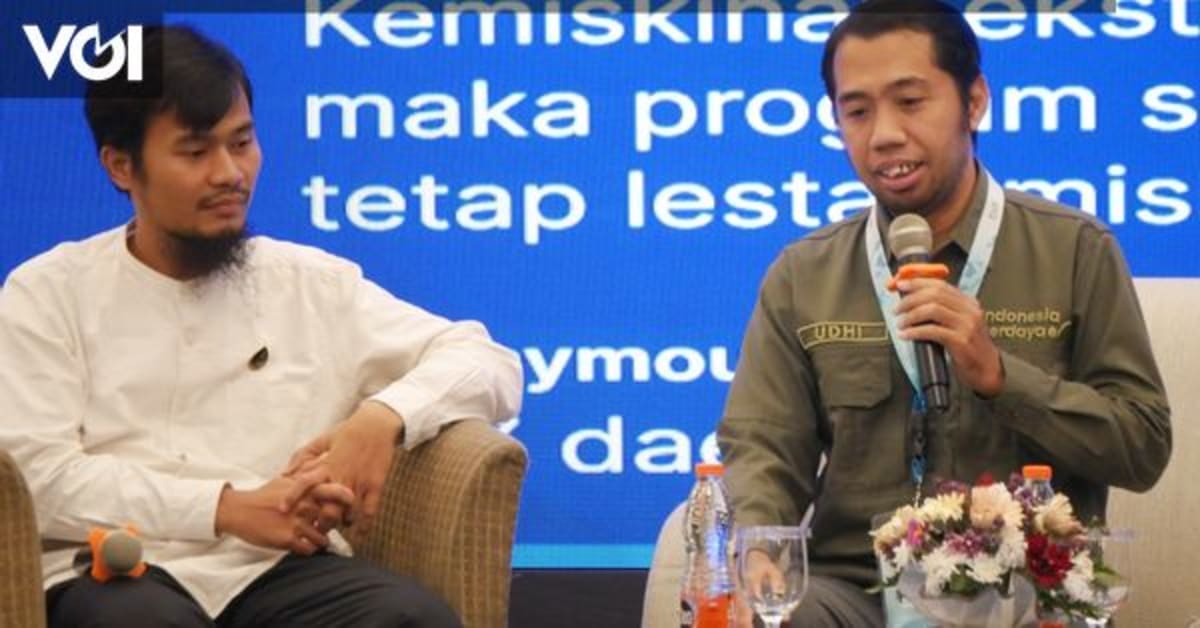
"The problem of poverty is not enough to be discussed on paper, but requires concrete solutions," said Udhi Tri Kurniawan, General Secretary of the Zakat Forum. The workshop on July 3 brought together philanthropic groups, government agencies, businesses, and academics to coordinate their resources and expertise.
The forum designs programs based on what communities actually need, not what looks good in grant applications. Programs align with UN Sustainable Development Goals while respecting local culture and existing village structures.
The Ripple Effect
Success stories from the Zakat Award showcase what coordination can achieve. In Sukabumi Regency, Rumah Zakat helped transform Cisande into a tourism village where residents now run culinary businesses, bamboo craft shops, and nature tours. Families who once struggled now own growing enterprises.
Dompet Dhuafa's Container Canteen Program gives university students from struggling families startup capital, equipment, and mentorship to run food businesses on campus. Students earn income while learning business skills that serve them long after graduation.
These aren't handouts that disappear after a few months. The programs build economic engines that keep running, creating jobs and lifting entire communities while participants maintain their dignity and ownership.
The forum pools funding, research capabilities, and implementation know-how from multiple organizations. When a zakat institution identifies a need, business partners can provide training, government agencies can streamline permits, and academics can measure impact to refine approaches.
The collaborative model means villages get comprehensive support instead of fragmented help. A family might receive business training from one partner, startup capital from another, and market access through a third, all coordinated to build toward sustainable independence.
Indonesia's poverty reduction effort just got serious about results over rhetoric, and thousands of villages stand to benefit.
##
More Images



Based on reporting by Google News - Poverty Reduction
This story was written by BrightWire based on verified news reports.
Spread the positivity!
Share this good news with someone who needs it