Indonesia Plans to Restore Forest Area Larger Than Portugal
Indonesia is launching one of the world's largest reforestation projects, aiming to restore 12 million hectares of degraded land while creating new funding through carbon credits. The ambitious plan could turn damaged landscapes into thriving forests again while helping local communities benefit financially.
Indonesia just committed to one of the biggest forest comeback stories on the planet, and it could change how countries fund conservation worldwide.
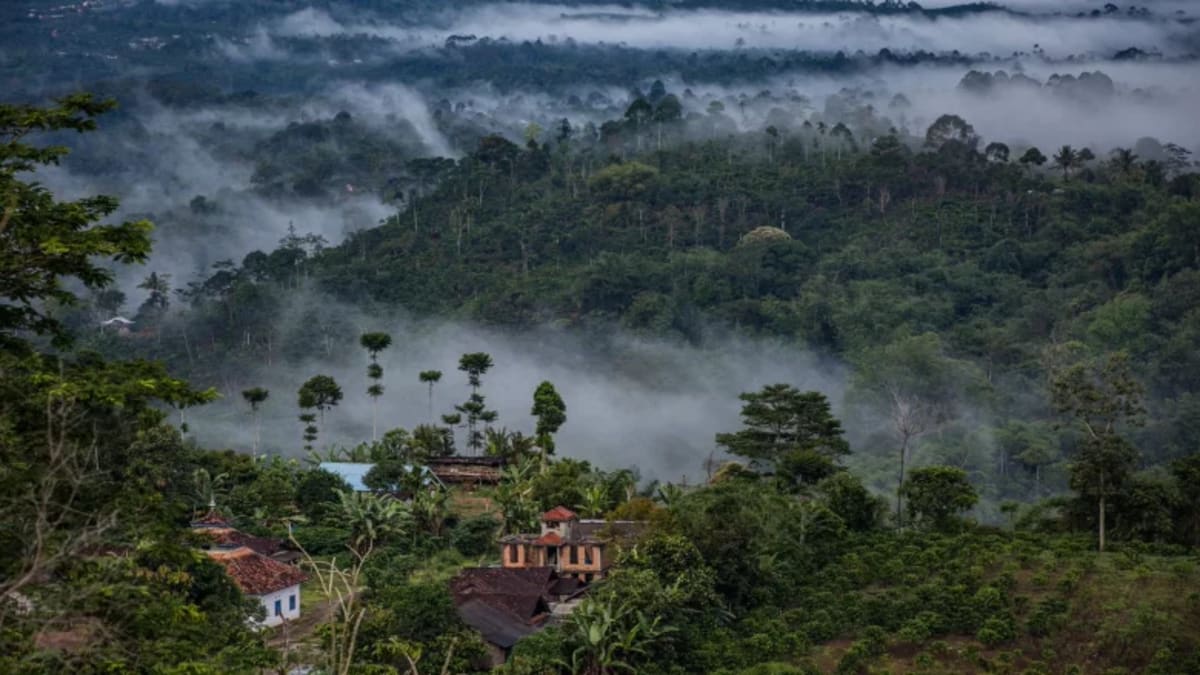
The nation announced plans to restore 12 million hectares of degraded land, an area larger than Portugal. Forestry Minister Raja Juli Antoni shared the commitment at the United Nations Forum on Forests in New York this week.
The scale is staggering. Nearly 30 million acres of damaged land could return to healthy forest, creating habitats for wildlife and absorbing carbon from the atmosphere for decades to come.
But here's what makes this different from past promises: Indonesia is connecting the restoration to carbon markets. The country plans to sell verified carbon credits from these new forests, creating a funding stream that could make conservation financially sustainable.
Local communities will play a central role in the projects. The forestry ministry says partnerships with people who live near these forests will ensure benefits are shared and land rights are respected.
For rural Indonesians, this could mean new income opportunities. For the climate, it means millions of trees pulling carbon dioxide from the air while providing homes for orangutans, tigers, and countless other species.
Indonesia has already updated its carbon trading regulations to allow international sales. Companies around the world seeking nature-based carbon offsets could soon purchase credits from Indonesian reforestation projects that meet high verification standards.
President Prabowo Subianto identified carbon credit sales as a priority even before taking office in 2024. Now that vision is taking concrete form with clear targets and regulatory frameworks.
The Ripple Effect goes beyond Indonesia's borders. If successful, this approach could become a model for other tropical nations looking to restore forests while generating revenue. Countries across Southeast Asia, Africa, and Latin America are watching closely.
The strategy also addresses a critical global need. As companies commit to net-zero targets, demand for high-quality nature-based carbon credits continues to grow, but supply remains limited.
Indonesia is positioning itself to fill that gap while healing landscapes that have suffered from decades of degradation. The dual benefit of environmental restoration and economic opportunity makes the plan particularly promising.
Of course, making it work will require strong monitoring systems and transparent accounting. Carbon markets only succeed when buyers trust that projects deliver real, lasting climate benefits and don't cause harm elsewhere.
The country faces legitimate scrutiny about balancing development goals with forest protection. Success will depend on keeping restoration promises while managing competing land use pressures.
But the commitment itself represents progress. Indonesia is choosing to invest in nature's recovery at a massive scale, creating a potential win for forests, communities, and the climate all at once.
Based on reporting by Google News - Reforestation
This story was written by BrightWire based on verified news reports.
Spread the positivity!
Share this good news with someone who needs it