Indonesia Seizes 760 Bottles of Mercury Bound for Mines
Indonesian authorities intercepted hundreds of kilograms of toxic mercury hidden in carpets at Jakarta's largest port, preventing the neurotoxin from reaching illegal gold mines in the Philippines. The bust highlights growing enforcement efforts against mercury trafficking as record gold prices drive demand for the dangerous metal.
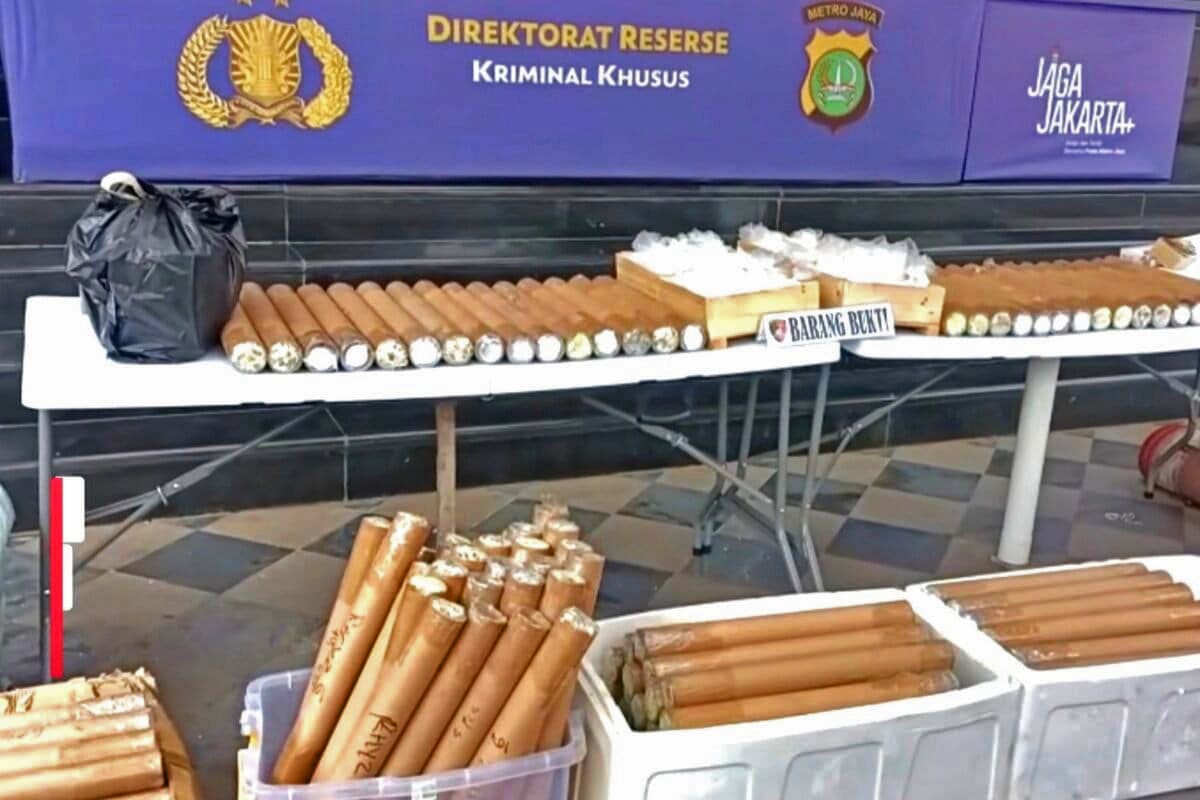
Inspectors at Jakarta's Tanjung Priok Port made a major discovery in late April when they found 760 bottles of mercury concealed inside 145 carpet rolls. The toxic shipment was headed to the Philippines, where it would have been used at illegal gold mining sites.
Victor Dean Mackbon, who leads special investigations for Jakarta Police, said smugglers tried to fool customs officials by falsifying documents to make the cargo look like ordinary textiles. The mercury bottles were carefully packed in cardboard boxes and hidden within the carpet rolls.
Authorities arrested nine people connected to the seizure and charged two with violations of trade and mining laws. If convicted, they could face up to four years in prison.
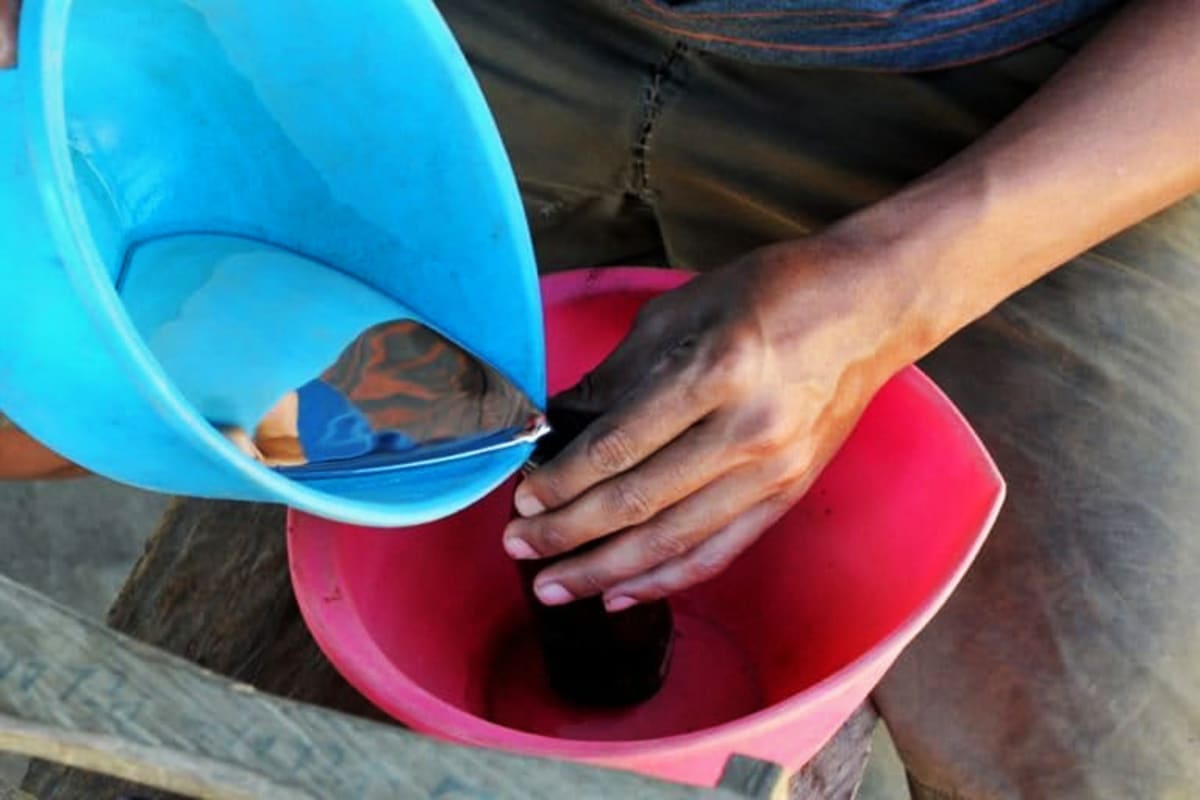
Mercury remains popular at illegal mining operations because it helps separate gold particles from crushed rock. But the heavy metal comes with devastating costs: it causes developmental disorders in children and severe cognitive and physical problems in adults.
The seized mercury was allegedly bound for Davao on the southern Philippine island of Mindanao. Investigators believe this trafficking route may have been operating since 2021, quietly supplying illegal mines for years.
The Bright Side
This bust represents real progress in the fight against mercury pollution. Indonesia ratified the Minamata Convention, a global agreement to restrict mercury use that took effect in 2017. While enforcement has been challenging, this seizure shows authorities are getting better at detecting smuggling operations.
Environmental lawyer Dyah Paramita said investigators are also examining whether the shipping company showed negligence or willful blindness. Holding companies accountable could help close gaps in the export monitoring system.
The timing matters too. Gold prices soared above $3,000 per ounce in May, more than triple the price before 2020. Higher prices mean more people rushing to illegal mines, which makes enforcement even more critical.
Yuyun Ismawati Drwiega, founder of environmental group Nexus3 Foundation, connected the mercury demand directly to surging gold prices. By intercepting shipments like this one, authorities can slow the cycle of environmental damage and health problems tied to illegal mining.
Indonesia pledged to eliminate mercury use in illegal mining by 2025. Busts like this one show the country is taking concrete steps toward that goal.
More Images

Based on reporting by Mongabay
This story was written by BrightWire based on verified news reports.
Spread the positivity!
Share this good news with someone who needs it