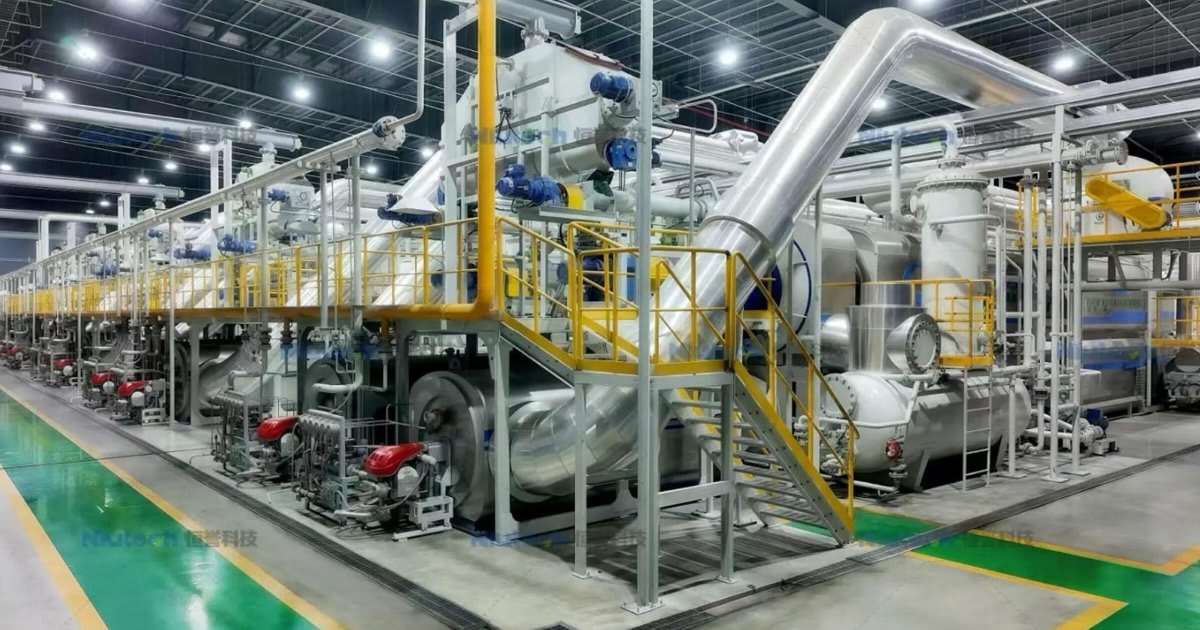
Indonesia Turns Palm Oil Waste Into Clean Fuel
Scientists in Indonesia and Japan are transforming millions of gallons of discarded palm oil wastewater into biofuel and chemicals, creating a breakthrough that could replace petroleum products while cleaning up pollution. The 15-year collaboration just won major funding to scale up production.
Wastewater that once threatened Indonesia's rivers is becoming the fuel of tomorrow, thanks to a groundbreaking partnership between Kobe University and Indonesian researchers.
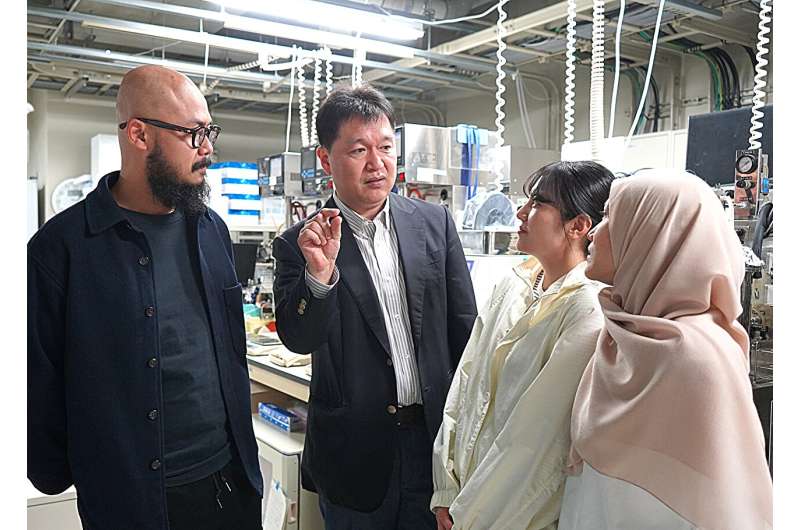
Professor Ogino Chiaki and his team have cracked the code on converting palm oil manufacturing waste into biofuel, chemicals, and plastic materials using microorganisms. The process skips expensive steps required by other biomass methods, making it commercially viable for the first time.
Indonesia produces massive amounts of oily wastewater during palm oil extraction, and historically this waste sat unused or caused water pollution. Now that same wastewater is becoming the foundation of a bio-circular economy that could eventually replace petroleum-based manufacturing.
The timing couldn't be better. Petroleum resources are finite, and chemical manufacturing releases greenhouse gases that accelerate climate change. This research offers a practical path toward sustainability that works economically today, not just in theory.
The secret lies in cost efficiency. Earlier biomass research focused on palm kernel shells and sugarcane, but converting those materials required an expensive saccharification process to break down cellulose into glucose. Palm oil wastewater bypasses that step entirely, keeping production costs low enough for real-world commercialization.
The collaboration has deep roots. Kobe University became a recognized biomanufacturing hub in 2008, and the Indonesian partnership has continued for over 15 years. Former students from the Kobe lab now hold important positions at Indonesian universities and government agencies, creating a network of trusted researchers who work seamlessly together.
The Ripple Effect
This research extends beyond palm oil. The team is now applying the same approach to juice wasted during canned pineapple production in Indonesia, multiplying the environmental and economic benefits.
The Japan Science and Technology Agency recognized the project's potential by selecting it for their prestigious SATREPS program in 2023. This marks the second time the Indonesia-Japan collaboration has received this competitive funding, reflecting years of proven results.
The transformation from oil refineries to biorefineries represents more than scientific innovation. It's a blueprint for how agriculture-rich nations can turn their waste streams into economic opportunities while fighting climate change.
Every gallon of wastewater converted to biofuel is one less gallon polluting rivers and one less gallon of petroleum needed from the ground.
More Images

Based on reporting by Phys.org - Technology
This story was written by BrightWire based on verified news reports.
Spread the positivity!
Share this good news with someone who needs it