Indonesian Fishers Boost Income 2x With Mangrove Crab Farms
Struggling fishers in Lombok, Indonesia, are planting mangroves and raising crabs together, doubling their income while restoring coastal forests. The innovative approach is helping families stay together in a region where economic hardship forces thousands to work overseas.
In a coastal village where families are torn apart by poverty, fishers are discovering that saving mangroves might be the key to staying home.
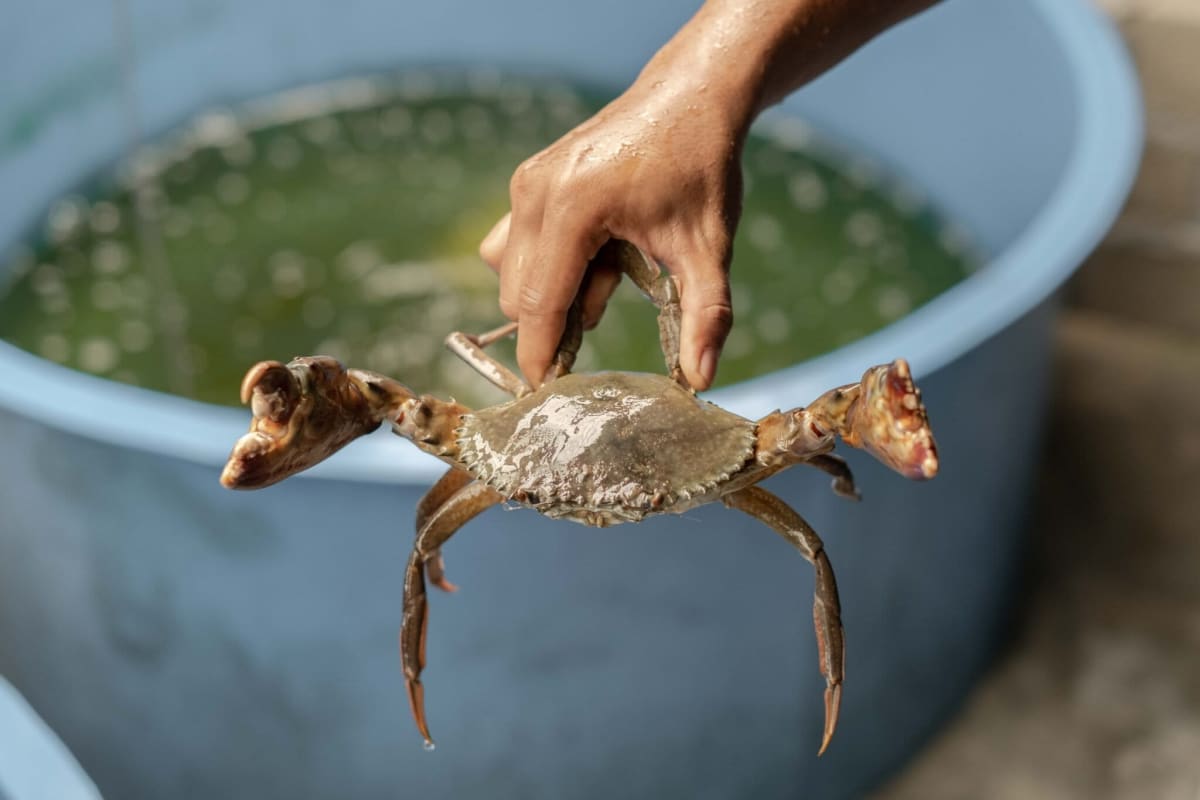
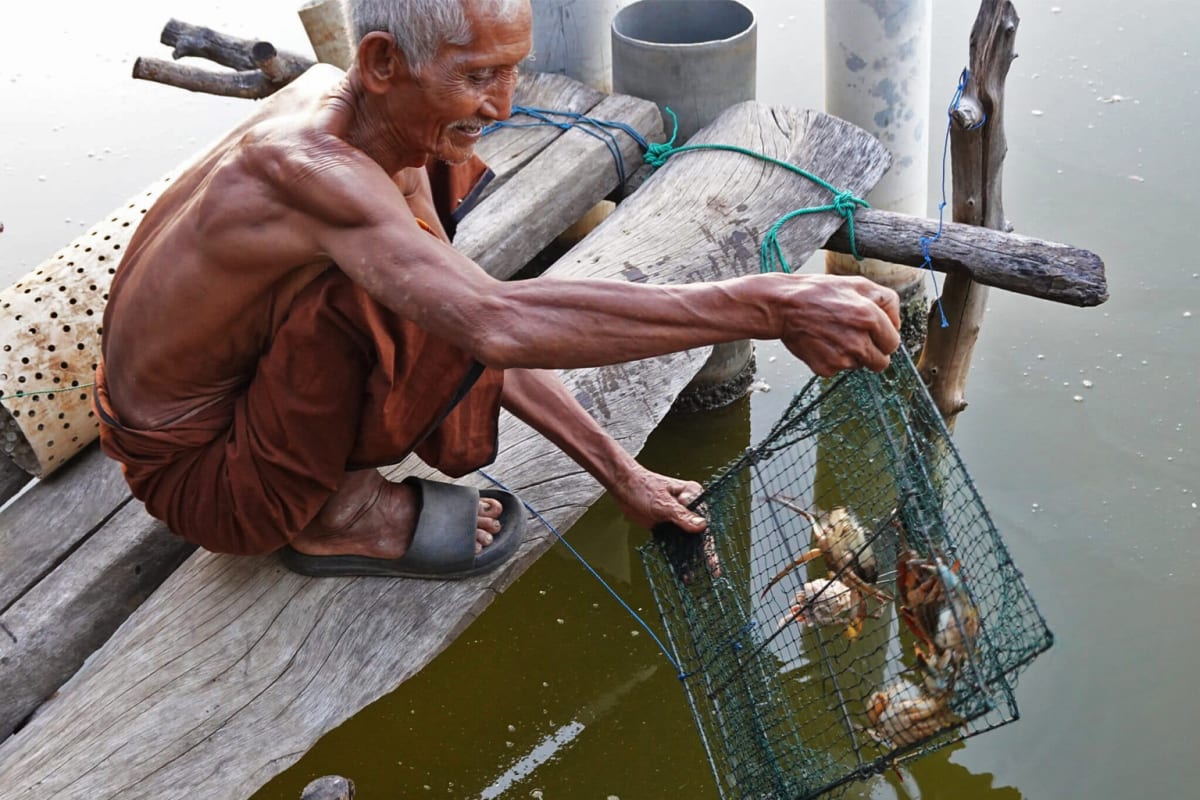
Jamil stands at the edge of a pond in Sugian village on Indonesia's Lombok Island, tossing fish guts into the water. The 63-year-old fisher is feeding mud crabs he's raising alongside newly planted mangrove trees. Just a few years ago, he would have caught these crabs in the wild, selling them small and cheap just to get by.
But overfishing nearly wiped out the local crab population. As catches dwindled, so did hope for families in East Lombok, one of Indonesia's poorest regions where the minimum wage sits at just $150 per month.
Last year alone, 14,000 people from this district left to work overseas. Mothers become domestic workers in the Middle East while fathers labor on Malaysian palm plantations or work as ship crew, often gone for years at a time.
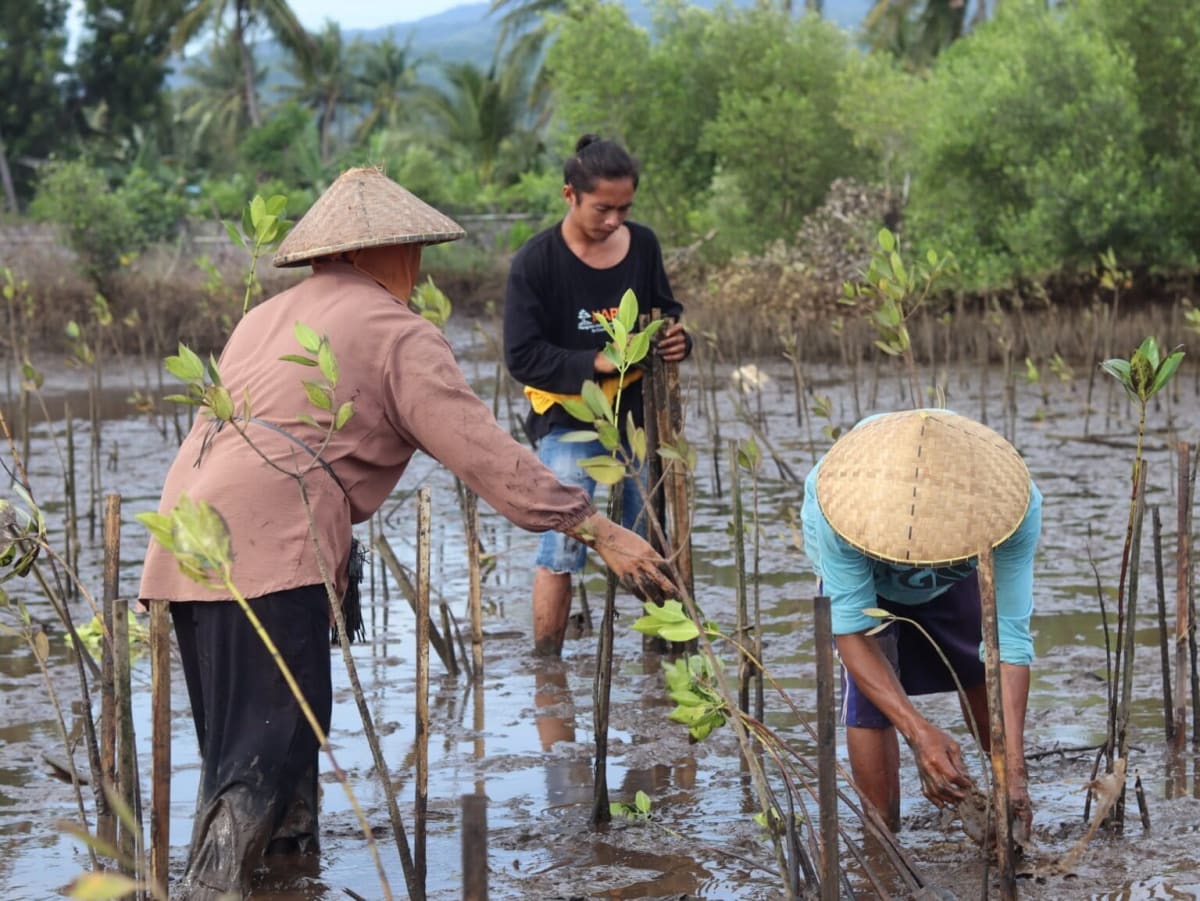
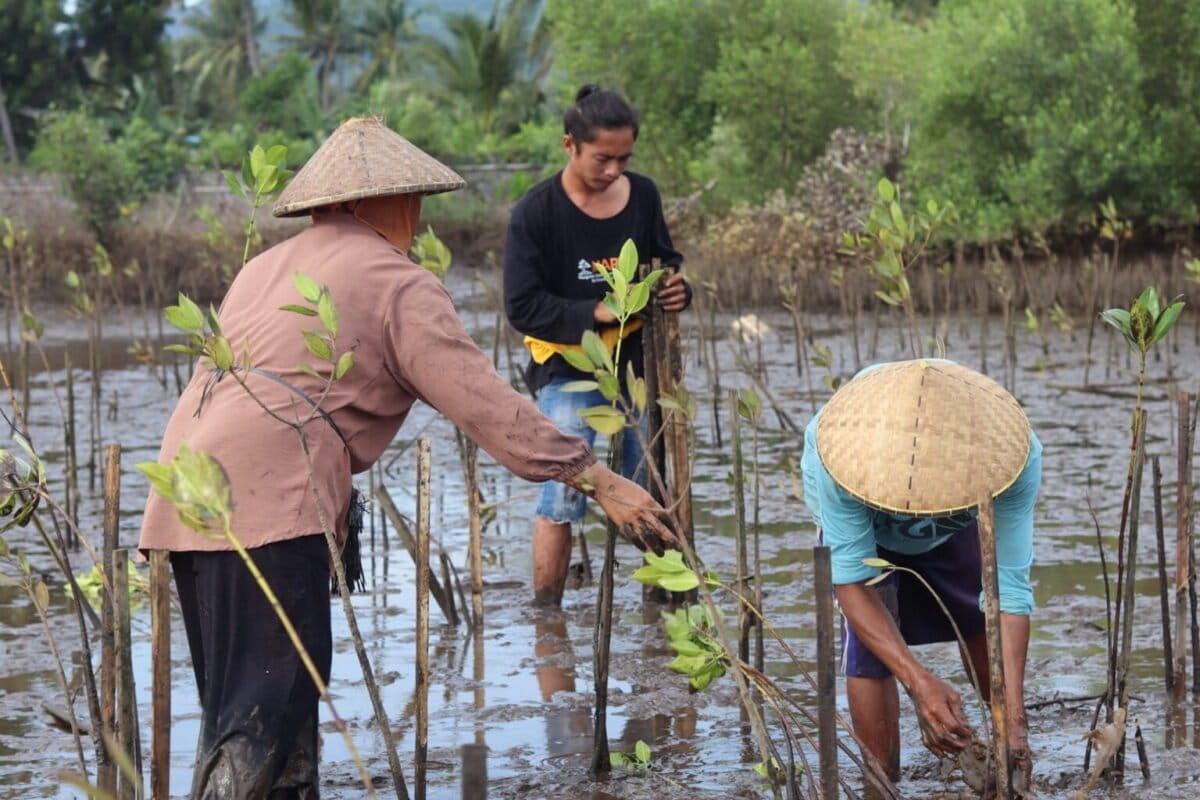
The disappearing crabs became a wake-up call. Local fishers realized the crabs thrived in mangrove forests, which provide shelter, stable temperatures, and the murky water these creatures prefer. So they started an experiment: what if they planted mangroves and raised crabs together?
The approach, called silvofishery, is proving successful. Instead of catching small wild crabs for quick cash, fishers now raise them to full size in mangrove ponds. The bigger crabs fetch much higher prices at market, significantly boosting family incomes.
The system creates a virtuous cycle. Mangrove roots shelter the crabs and support the microorganisms they feed on. In return, the crabs dig holes that aerate the soil and cycle nutrients, helping the forest thrive.
Indonesia has the world's largest mangrove estate, but 40% has been degraded or cleared, largely for aquaculture. This makes silvofishery especially promising as it addresses both environmental and economic challenges simultaneously.
Herman, who leads a local fishing organization, notes the crabs don't just survive in this environment. They flourish in it, preferring the dense, murky conditions that healthy mangroves create naturally.
The Ripple Effect
The benefits extend beyond individual ponds. As more fishers adopt silvofishery, coastal mangroves are being restored across the region. This protects shorelines from erosion while rebuilding habitats for numerous fish and crab species that support local food security.
Provincial fisheries official Muslim sees the model as essential for the region's future. "If the habitat is good, the crabs will return," he explains. The challenge now is providing technical training so fishers can expand these efforts beyond trial and error.
For families in East Lombok, that expansion could mean something priceless: staying together. When local incomes rise, fewer parents need to leave their children behind to work thousands of miles away.
The solution was there all along, rooted in the mud where mangroves and crabs have supported each other for millennia.
More Images
Based on reporting by Mongabay
This story was written by BrightWire based on verified news reports.
Spread the positivity!
Share this good news with someone who needs it