Indonesian Islands Revive Ancient Fishing Rules, Save Turtles
Coastal communities across eastern Indonesia are bringing back traditional conservation practices to protect coral reefs and marine life. Their grassroots approach is helping seven endangered species recover, including sea turtles and dugongs.
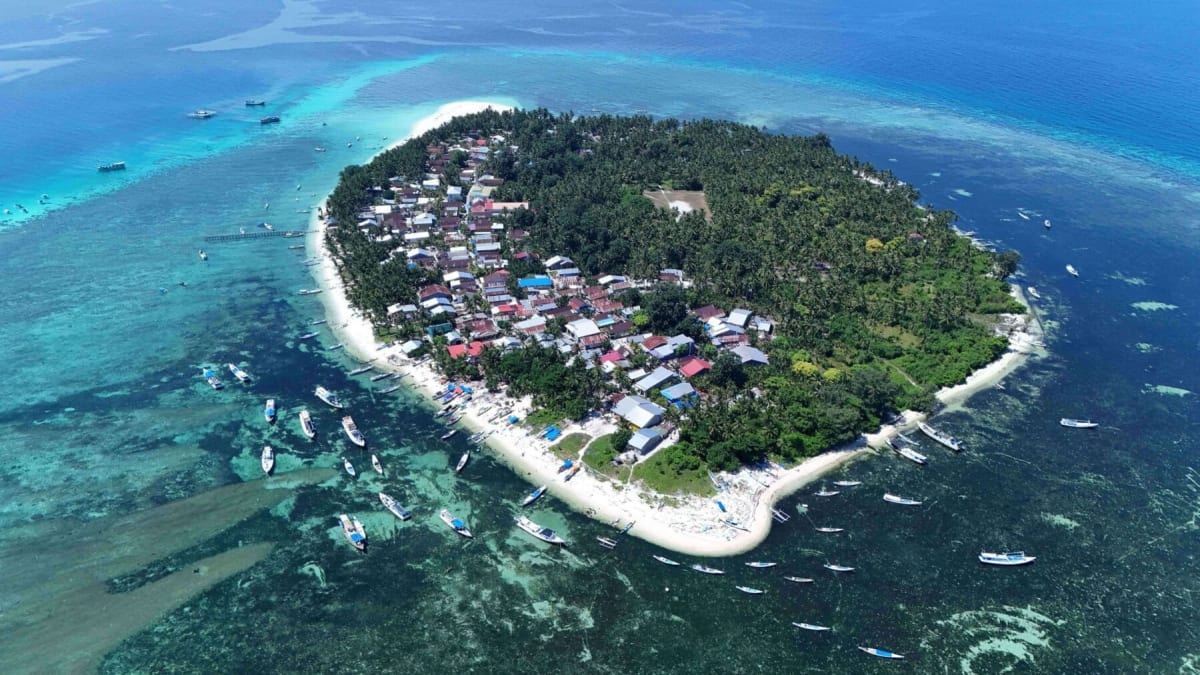
Communities in one of the world's most biodiverse marine regions are proving that ancient wisdom can solve modern environmental problems. Across eastern Indonesia's small islands, local people are reviving customary fishing practices that are bringing coral reefs and endangered species back to life.
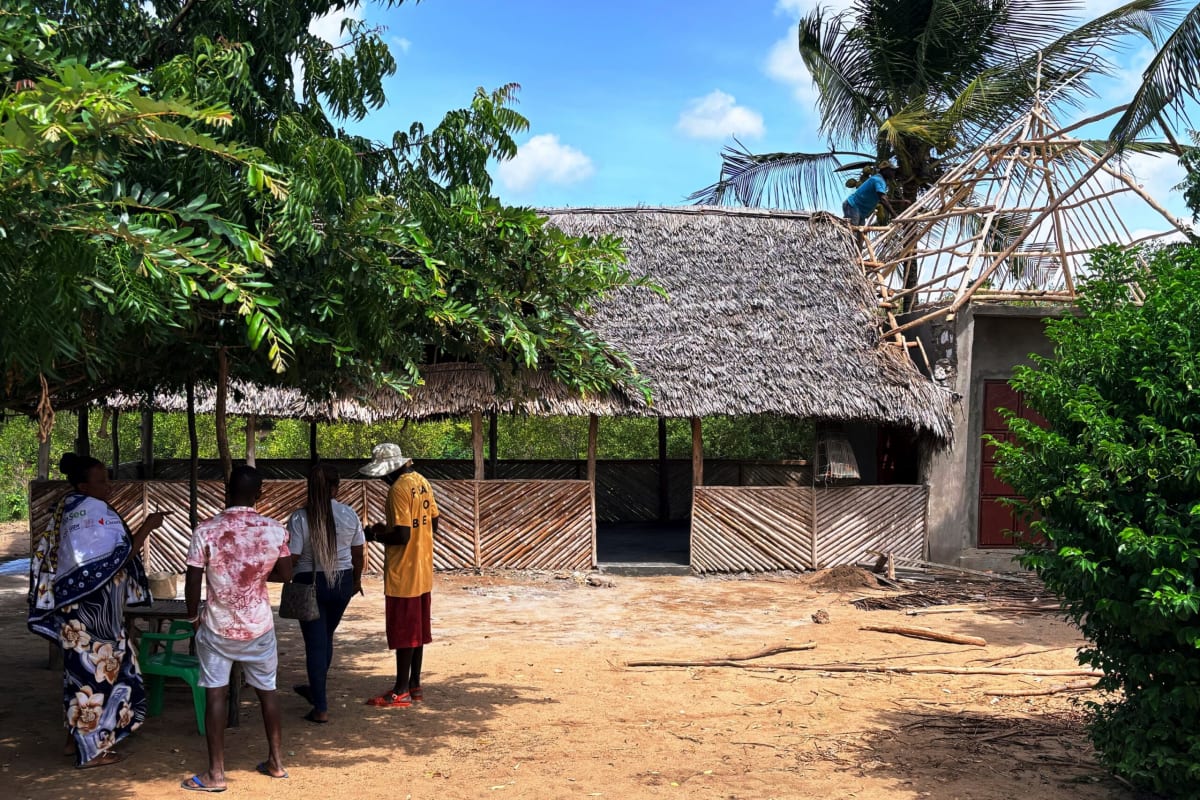
The movement spans four provinces where residents have turned to time-tested methods like seasonal fishing closures, customary penalties, and mangrove restoration. In Solor, villagers created "marine granaries" to protect coral reefs and built turtle hatcheries while abandoning destructive blast fishing.
"What we chose was conservation, but based on local wisdom," said Vero Lamahoda, director of a local foundation supporting the communities. The approach stands in contrast to top-down conservation efforts that often fail to gain local buy-in.
In Southeast Sulawesi's Wabula village, residents use a system called Kaombo that restricts access to protected seagrass beds and mangroves. Violators face customary fines or participate in traditional rituals to determine guilt.
On Langkai and Lanjukang islands in South Sulawesi, communities temporarily close marine areas to octopus fishing, giving populations time to bounce back. The periodic closures maintain both ocean health and fishing livelihoods.
The Ripple Effect
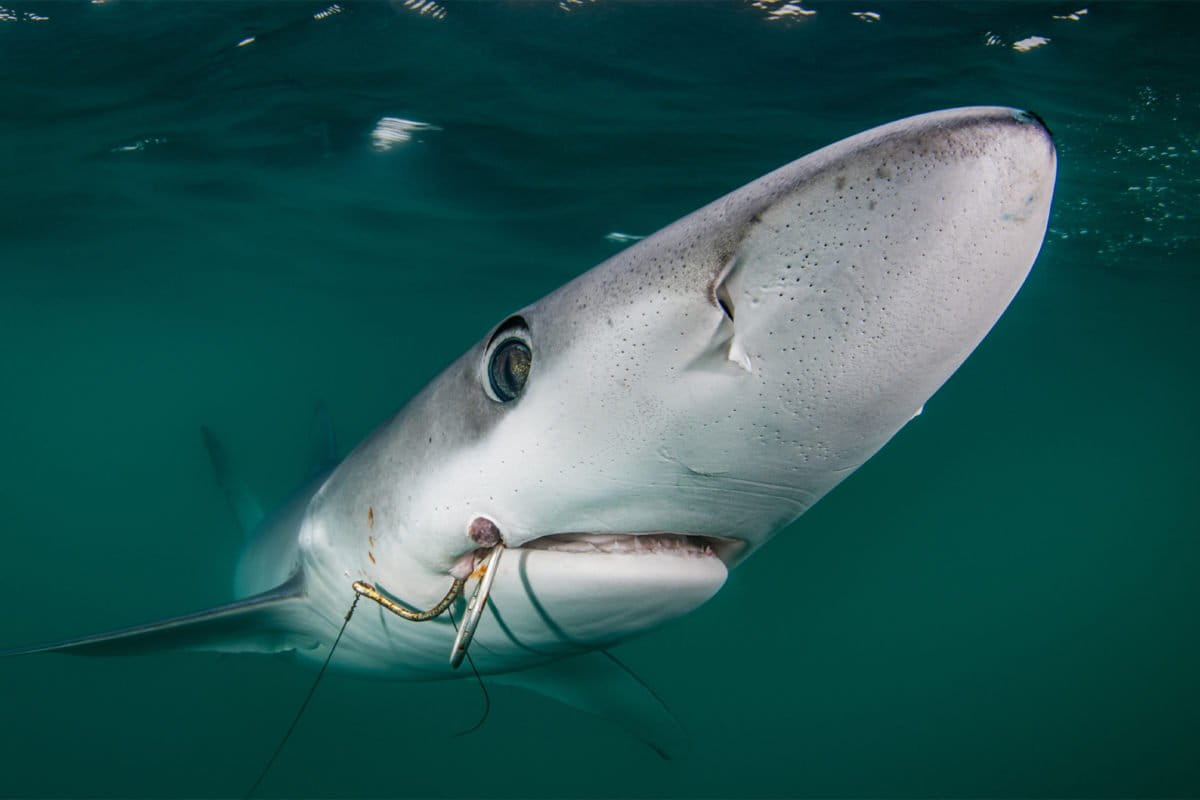
The results speak for themselves. Researchers documented recovery in seven key marine species, including the endangered Banggai cardinalfish, green sea turtles, hawksbill turtles, thresher sharks, and dugongs.
In South Sulawesi alone, community-managed turtle hatcheries released nearly 4,000 baby sea turtles into the ocean. In the Banggai Islands, restored mangroves stabilized crab populations that local families depend on for income.
"If mangroves disappear, then the crabs will disappear too," explained filmmaker Sam August Himmawan, who documented the communities' efforts. "The economic multiplier effect is enormous."
Conservation groups say these grassroots initiatives need formal government recognition to ensure long-term success. The goal is strengthening local capacity so communities can design their own conservation methods rather than following imposed restrictions.
These Indonesian islanders are showing the world that protecting nature works best when communities lead the way.
More Images


Based on reporting by Mongabay
This story was written by BrightWire based on verified news reports.
Spread the positivity!
Share this good news with someone who needs it