Indonesian Scientist Makes 6G 100x More Energy Efficient
A researcher from Indonesia has cracked the code to make future 6G networks dramatically more efficient, allowing billions of devices to connect simultaneously without draining energy or causing congestion. His breakthrough could reduce traffic jams by up to 30 percent and help protect forests through real-time monitoring.
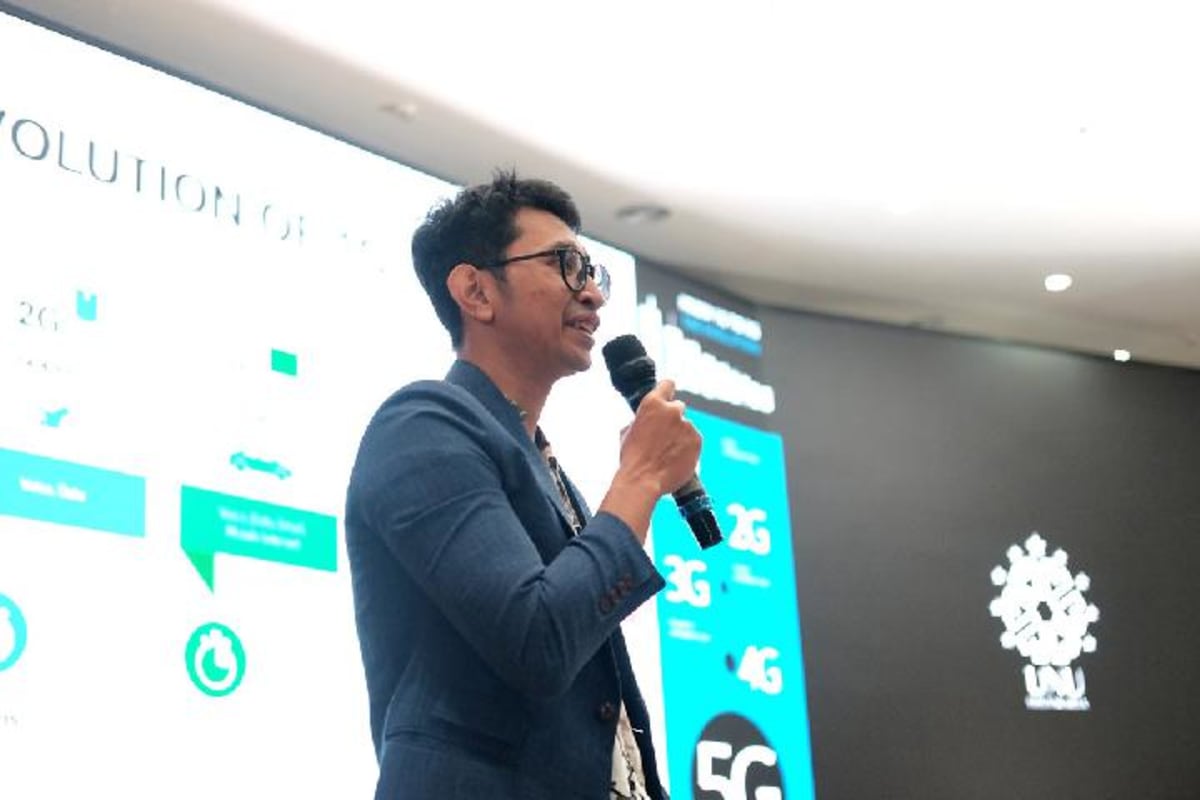
Imagine billions of smartphones, sensors, and smart devices all transmitting data at once without slowing down or wasting energy. That future just got closer thanks to I Nyoman Apraz Ramatryana, a lecturer at Universitas Nahdlatul Ulama Yogyakarta who's cracking the toughest challenges facing 6G technology.
Apraz, currently conducting postdoctoral research at Khalifa University in the United Arab Emirates, developed a method called Frequency-Time Index Modulation Multiple Access. His breakthrough solves a problem that's been stumping telecom engineers worldwide: how to handle massive amounts of data without network congestion or excessive energy waste.
The innovation works like a smarter highway system for data. Traditional networks organize traffic by frequency (like lanes) or time (like entry hours) separately. Apraz's system combines both dimensions, letting data intelligently choose specific frequency and time combinations to slip through efficiently.
His research, published in IEEE Transactions on Vehicular Technology, arrives at a critical moment. With 7.64 billion active smartphones worldwide and counting, the need for efficient networks has never been more urgent. When 6G officially launches in 2030, it's designed to be 100 times faster than 5G to support artificial intelligence, Internet of Things devices, and virtual reality applications.
The energy efficiency breakthrough matters beyond faster downloads. Traditional high-speed networks require enormous infrastructure investments and consume massive amounts of power. Apraz's method dramatically reduces both spectrum usage and energy waste during transmission, making advanced connectivity more affordable and sustainable.
The Ripple Effect
The real-world applications of this technology extend into six strategic fields that could transform daily life. In smart cities, the system could power real-time traffic lights and railway signals that reduce congestion by 15 to 30 percent while improving public safety.
Environmental protection gets a boost too. The efficient network can support continuous monitoring of forests and green spaces, detecting early signs of damage before small problems become disasters. This capability could play a vital role in addressing climate change by enabling faster responses to environmental threats.
Industry 5.0 manufacturing, AI-powered services, and immersive communication platforms will all benefit from technology that lets devices communicate seamlessly. The reduced network burden means connections stay fast even when billions of gadgets are online simultaneously.
Countries worldwide are racing to perfect 6G systems before the 2030 launch date. Apraz's contribution from Indonesia demonstrates that breakthrough innovations can emerge from anywhere when brilliant minds tackle big problems. His work at UNU Yogyakarta, combined with international collaboration in the UAE, shows the global nature of solving tomorrow's technological challenges.
The future of connectivity looks brighter, greener, and more accessible thanks to one researcher's determination to make powerful technology work for everyone.
More Images



Based on reporting by Google News - Tech Breakthrough
This story was written by BrightWire based on verified news reports.
Spread the positivity!
Share this good news with someone who needs it