Insects Mastered Plant Disguises 99 Million Years Ago
Scientists just discovered that insects have been mimicking flowering plants for 99 million years—more than double what we previously thought. A tiny moth lacewing preserved in amber reveals nature's oldest masterclass in camouflage.
Nature's greatest disguise artists have been perfecting their craft far longer than anyone imagined.
Scientists just uncovered a fossil that rewrites the history of insect camouflage. A moth lacewing preserved in amber from 99 million years ago shows intricate wing patterns that perfectly mimic flowering plant leaves, complete with veins that look like a feather's delicate structure.
This discovery pushes back the timeline of plant mimicry by 52 million years. The insect, named Dryadithone cretacea, lived during the Cretaceous period when flowering plants were just beginning to transform Earth's landscape.
The fossil reveals sophisticated camouflage techniques that insects still use today. The lacewing's wings copied the midvein, feather-like vein patterns, and web-like structures of plant leaves with stunning accuracy.
"This fossil shows that insects responded to the rise of flowering plants in a way we rarely expected," researchers explained. Instead of just eating plants or living in them, insects began using them as inspiration for survival.
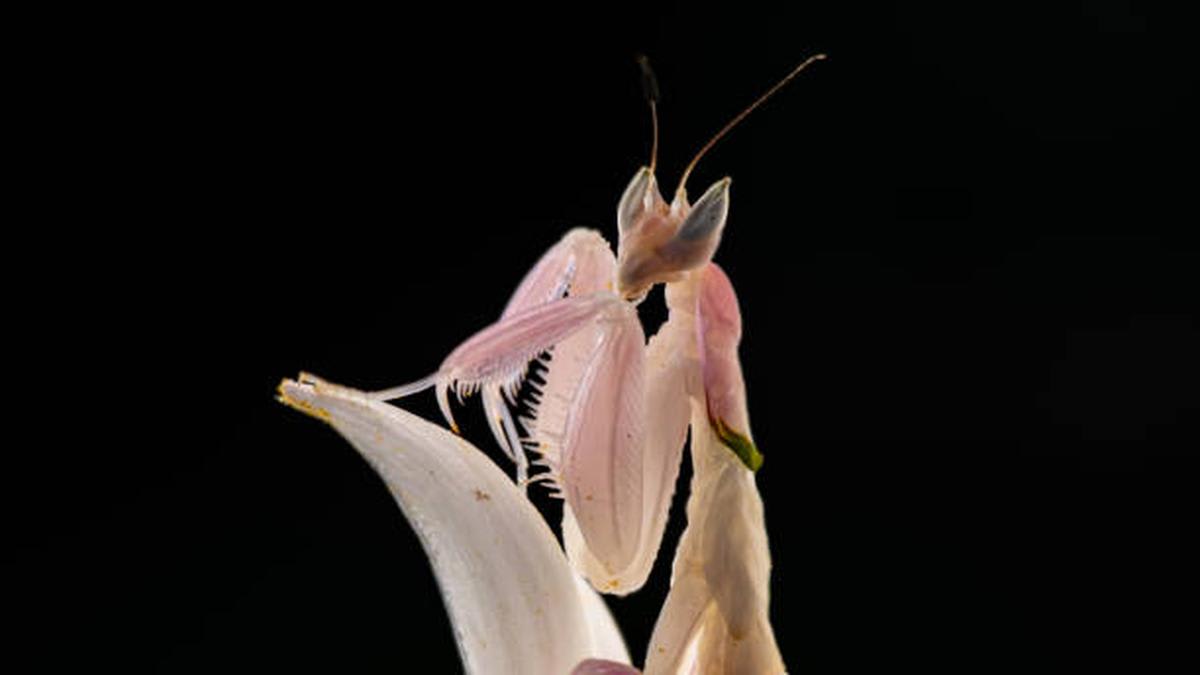
Today's insects continue this ancient tradition in spectacular ways. The dead leaf butterfly from India to Japan drops motionless to the forest floor when birds chase it, becoming invisible among fallen leaves. The pink orchid mantis not only looks like a flower but absorbs UV light like real petals and even sways in the wind.
These disguises follow an evolutionary dance between three players: the model (the plant), the mimic (the insect), and the receiver (the predator). By fooling predators or attracting prey, mimics gain survival advantages that get passed down through generations.
Why This Inspires
Conservationist Aswathi Asokan notes that these evolutionary masterpieces surround us everywhere, even in cities. Mantises transform into tree bark or vibrant flowers, butterfly caterpillars vanish along leaf midribs, and spiders become so convincingly ant-like that only close inspection reveals the truth.
This 99-million-year fossil tells a story of adaptation and resilience. As flowering plants changed the world, insects didn't just survive—they evolved into nature's most creative impersonators, turning potential threats into opportunities for survival through millions of years of patient refinement.
The discovery reminds us that innovation and adaptation have been nature's winning strategies since long before humans arrived on the scene.
Based on reporting by The Hindu
This story was written by BrightWire based on verified news reports.
Spread the positivity!
Share this good news with someone who needs it