Intact 1,600-Year-Old City Discovered in Egypt's Desert
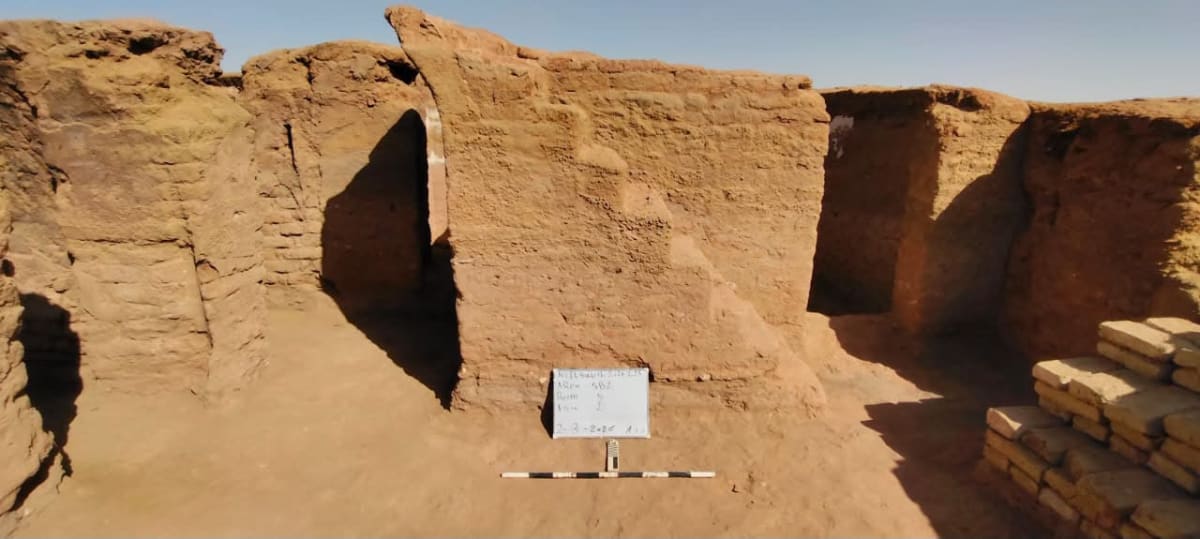
Archaeologists just uncovered an entire Byzantine-era city, perfectly preserved beneath the sands of Egypt's Western Desert. The 1,600-year-old settlement includes churches, fortified towers, homes with kitchen ovens still intact, and even ancient shopping receipts written on pottery.
The desert just gave up a secret it kept for over 16 centuries.
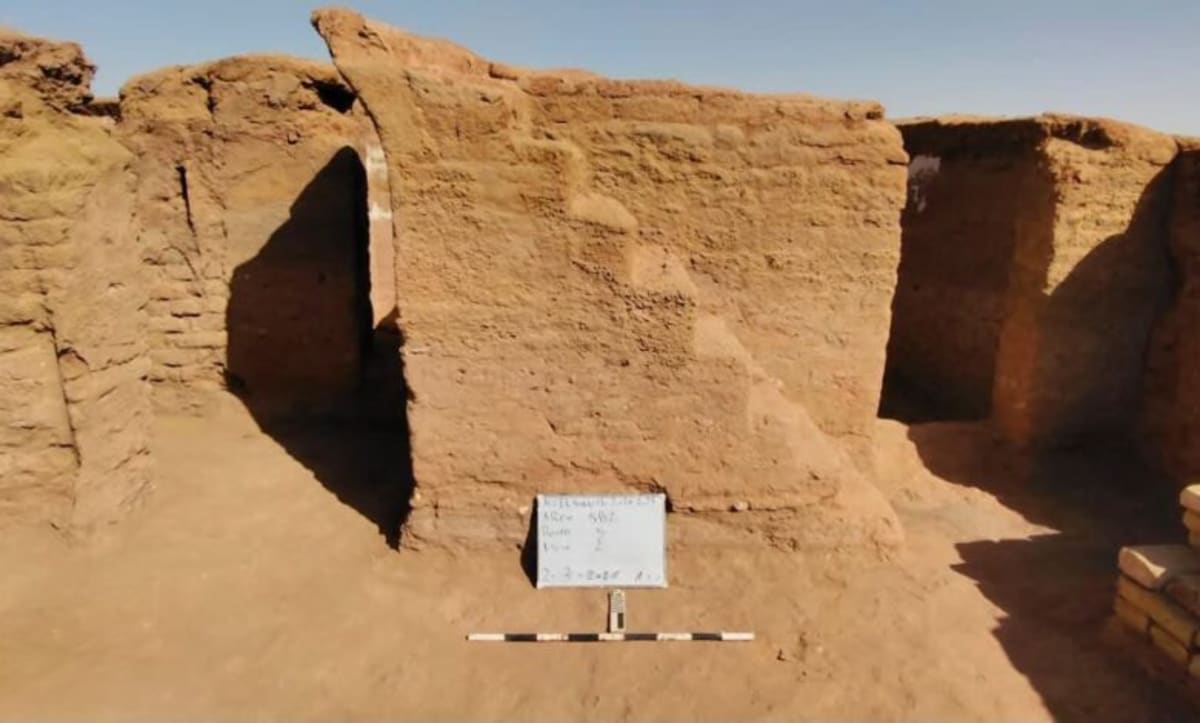
An Egyptian archaeological team has discovered a complete, remarkably preserved city from the Byzantine era buried in the Dakhla Oasis. Built entirely from mud brick around 1,600 years ago, the settlement offers an extraordinary snapshot of daily life in one of Egypt's most remote outposts.
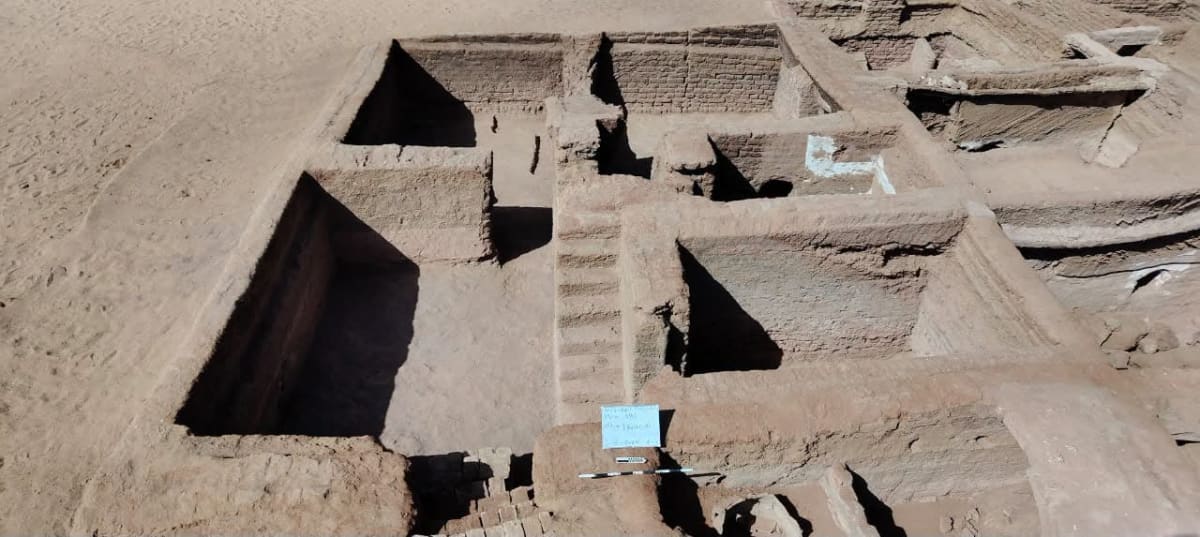
This wasn't just a village. The city features an organized street grid with major north-south avenues crossing east-west roads that open into public squares, showing sophisticated urban planning that rivals modern city design.
At the heart of the community stands a grand church dating to the mid-4th century AD. Protecting the settlement are two watchtowers and a heavily fortified fortress, evidence that residents built their home to last and stay safe.
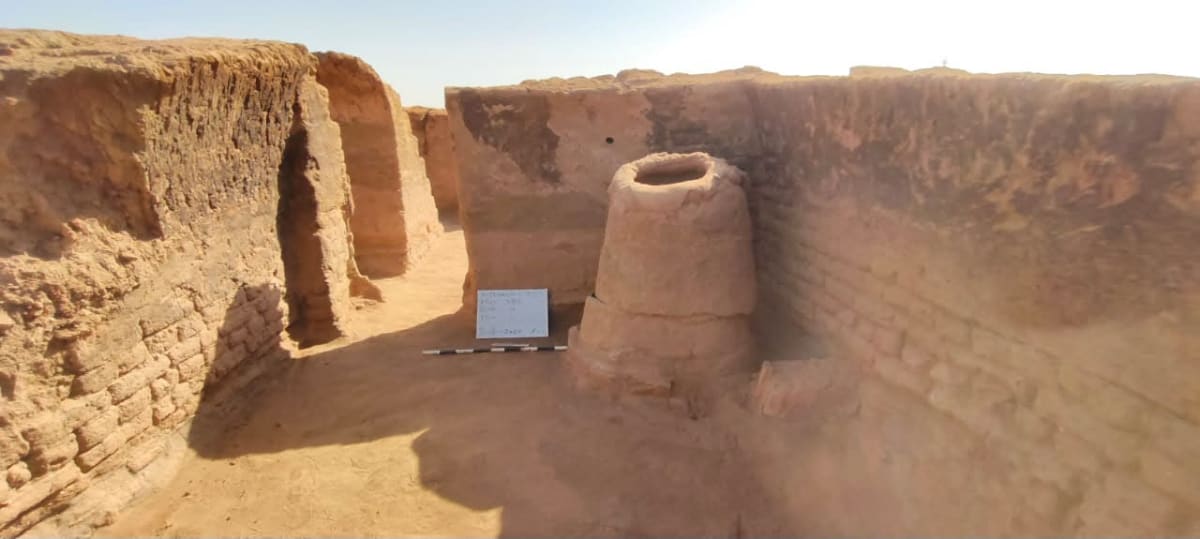
Inside the residential homes, archaeologists found vaulted ceilings, spacious halls, and the tools of everyday life. Baking ovens sit ready in kitchens alongside heavy stone grinding tools, frozen in time as if residents simply walked away yesterday.
Two buildings stand out among the finds. The House of Thesus belonged to a church deacon in the late 4th century, while the House of Tabibus likely served as a secret "house church" where early Christians gathered before the grand basilica was built.
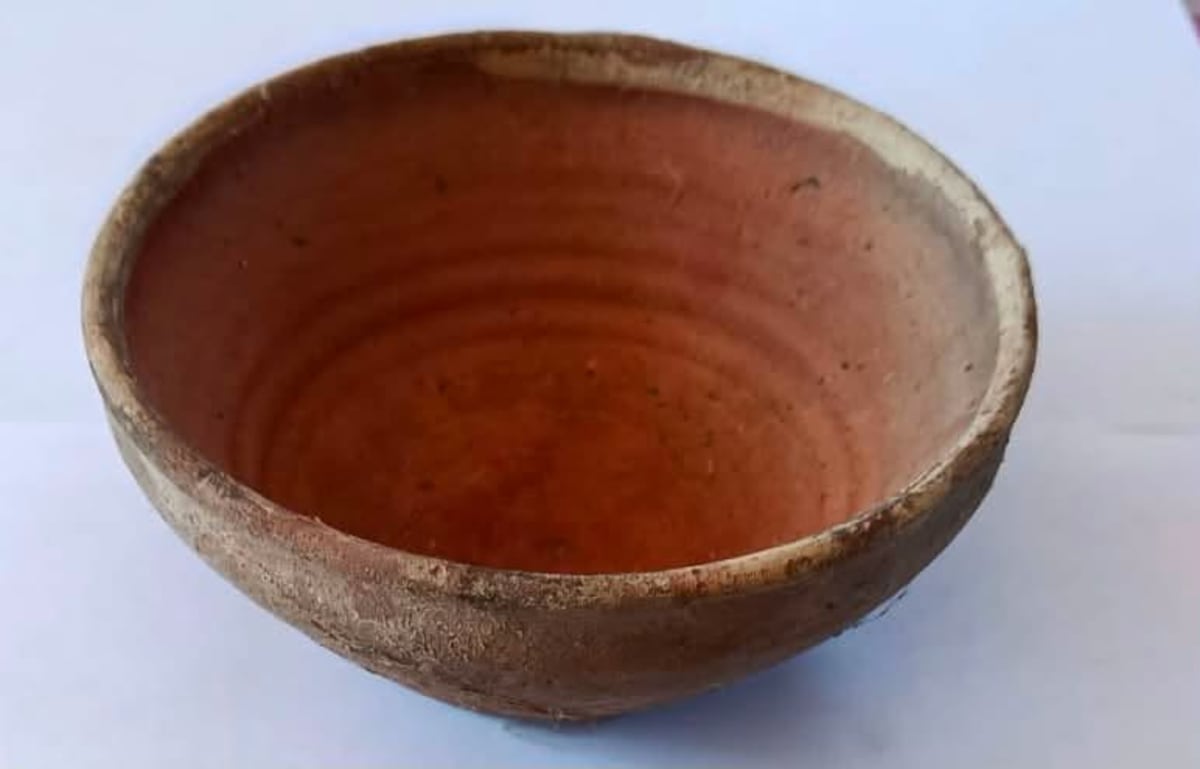
The artifacts paint a vivid picture of bustling community life. Excavators recovered pottery for daily use, delicate glass vials that once held oils and perfumes, and clay lamps that lit evening gatherings.
The real treasure trove came in written form. Nearly 200 pieces of ostraca, pottery shards used as ancient paper, preserve shopping receipts, business transactions, and personal letters written in both Coptic and Greek.
The city's wealth shows in its currency collection. Bronze coins bearing Christian symbols and Latin inscriptions of Byzantine emperors emerged alongside a stunning cache of gold coins minted during Emperor Constantius II's reign from 337 to 361 AD.
The Ripple Effect
This discovery gives historians an incredibly detailed window into how desert communities thrived during one of history's most transformative periods. The everyday receipts and letters reveal economic networks that kept remote oases connected to the wider Byzantine Empire, showing that even 1,600 years ago, people in isolated places built sophisticated, self-sustaining societies.
The find proves that the sands still hold countless stories waiting to tell us how our ancestors lived, loved, and built communities that stood the test of time.
More Images
Based on reporting by Egypt Independent
This story was written by BrightWire based on verified news reports.
Spread the positivity!
Share this good news with someone who needs it
%2Fhttps%3A%2F%2Ftf-cmsv2-smithsonianmag-media.s3.amazonaws.com%2Ffiler_public%2F12%2F05%2F120524e1-9e51-48cf-8d22-2d033533e6ef%2Fodyssey-fragment.png)
