Inuit Leaders Launch Plan to Cut Arctic Poverty in Half
A groundbreaking poverty reduction plan aims to transform life for Inuit communities across Canada's Arctic, where children face food insecurity at four times the national rate. The strategy tackles everything from education to housing with solutions designed by Inuit, for Inuit.
Inuit leaders have released a comprehensive plan to tackle crushing poverty rates across Canada's Arctic, offering real hope to communities where nearly half of all children go hungry.
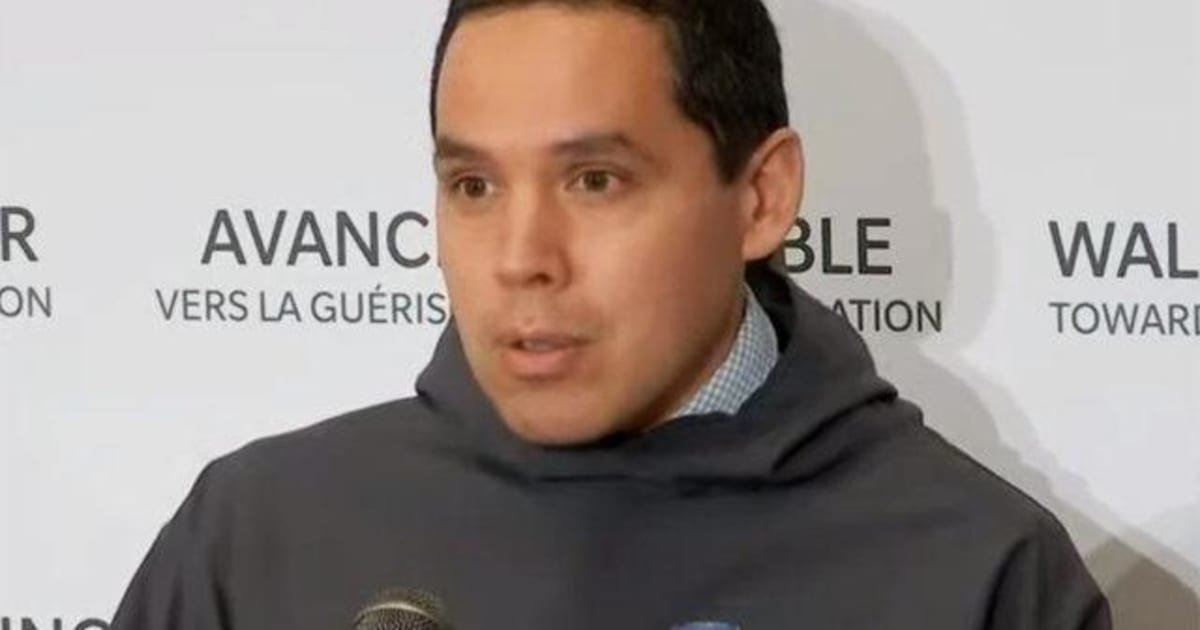
Inuit Tapiriit Kanatami, the national organization representing 70,000 Inuit across Canada, launched the plan on June 9. It focuses on Inuit Nunangat, the traditional Inuit homeland spanning Nunavut, the Northwest Territories, northern Quebec, and northern Labrador.
The numbers reveal a stunning gap. Inuit living in these regions earn a median income of $32,000 after taxes, while non-Indigenous residents in the same areas earn $100,000. Only 19 percent of Inuit own their homes, compared to 67 percent of non-Indigenous neighbors.
Food insecurity hits hardest. A staggering 68 percent of Inuit children don't have reliable access to food, compared to 17 percent of non-Indigenous children in the same communities.
"For Inuit, living free from poverty means our basic needs are met, our communities are strong and our people are empowered to determine our own futures," said Natan Obed, president of Inuit Tapiriit Kanatami.
The plan proposes replacing the troubled Nutrition North program, which has long failed to lower Arctic food costs. It also calls for regulating country food sales through government agencies, putting more money directly into hunters' pockets while making traditional foods more accessible.
Education sits at the heart of the economic strategy. The plan includes building Inuit Nunangat University in Arviat, expanding vocational programs, and creating apprenticeships tailored to Arctic realities.
A guaranteed livable income would lift the most vulnerable out of poverty, especially children and seniors. The plan also demands that five percent of military procurement come from Indigenous-owned Arctic businesses.
The Ripple Effect
When communities design their own solutions, change reaches further. This plan doesn't just address symptoms. It tackles root causes by putting decision-making power where it belongs: with Inuit themselves.
Better education means better jobs. Better jobs mean stable housing. Stable housing means healthier families. And healthier families build stronger communities that can preserve their culture while thriving in the modern economy.
The strategy also looks at adapting existing social programs to fit Inuit realities rather than forcing northern communities into southern models that don't work in the Arctic.
Progress is already visible in the plan's approach to dual-use infrastructure, where military investments in the Arctic would also serve civilian needs. That means better airports, ports, and communication systems for everyone.
With Inuit life expectancy at 72 years compared to 85 for non-Indigenous Arctic residents, and 47 percent living in overcrowded housing, the stakes couldn't be higher. But this plan offers a roadmap built on self-determination, not charity.
Communities across the Arctic now have a blueprint for building the futures they deserve.
More Images


Based on reporting by Google News - Poverty Reduction
This story was written by BrightWire based on verified news reports.
Spread the positivity!
Share this good news with someone who needs it