Inuit Leaders Unveil Plan to Cut 41% Poverty Rate
Canada's national Inuit organization just launched a comprehensive strategy to close the massive gap where 41% of Inuit families live in poverty compared to 11% of all Canadians. The plan tackles everything from sky-high food costs to housing shortages with solutions designed by Inuit communities themselves.
Canada's national Inuit organization just launched a comprehensive strategy to close the massive gap where 41% of Inuit families live in poverty compared to 11% of all Canadians.
Inuit Tapiriit Kanatami unveiled its poverty reduction plan Tuesday in Ottawa, marking a turning point in how the country addresses inequality in the Arctic. The strategy puts Inuit voices at the center of solutions for their own communities.
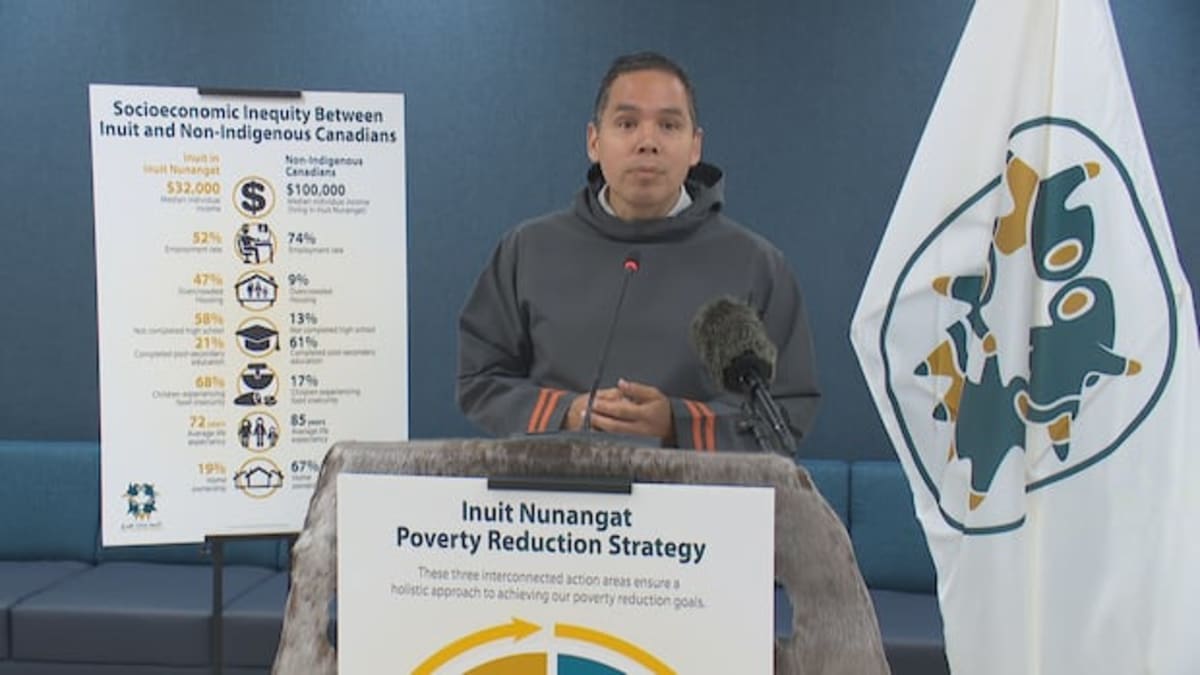
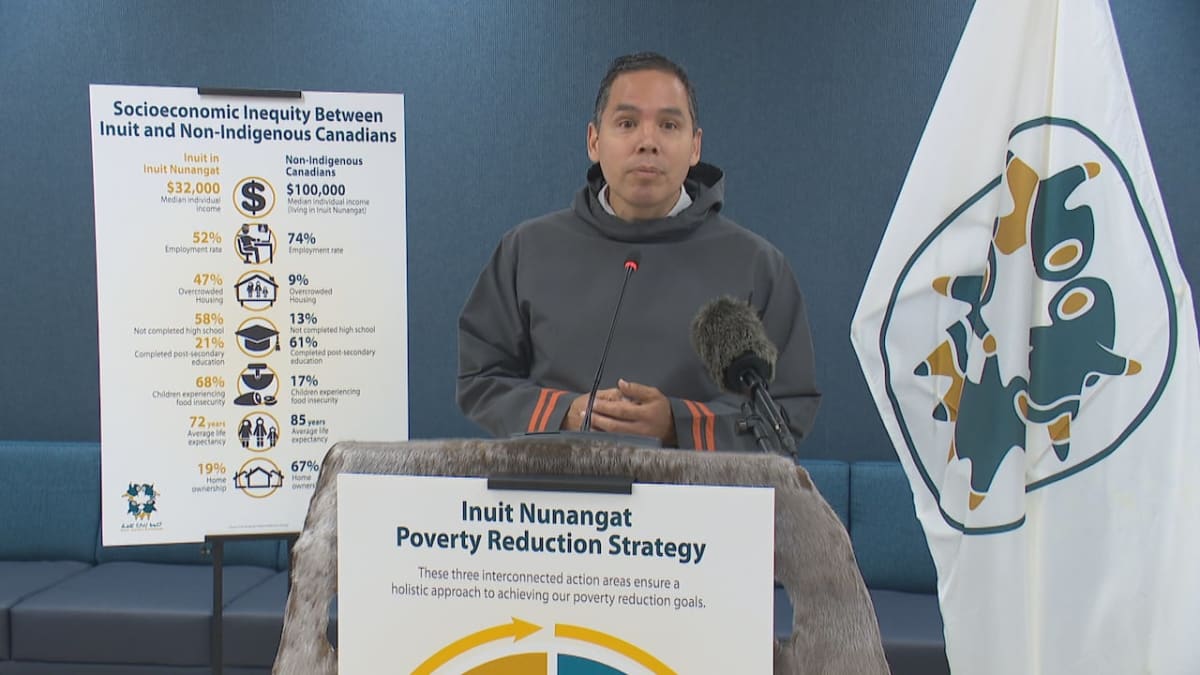
President Natan Obed explained the approach goes beyond just income numbers. "We know that people want to be contributing members of society, they want to have connections with family, they want to be able to teach the things that they know," he said.
The gaps are staggering. Nearly half of Inuit live in overcrowded housing, 58% haven't finished high school, and 68% of children face food insecurity.
The strategy tackles three major areas: creating sustainable jobs and income, bringing the cost of living in line with southern Canada, and building community infrastructure designed for Inuit needs.
One breakthrough is a new cost-of-living calculator specifically for Inuit Nunangat. Unlike southern measures, it includes essentials like snowmobiles and boats that Inuit families need for traditional activities and survival.
The numbers tell a stark story. A family of four in Inuit Nunangat needs $81,429 annually for basic living in 2025, about $20,000 more than families in Toronto or Ottawa.
Geography drives many costs higher. Groceries and building supplies often arrive just once or twice yearly on sealifts, pushing prices up dramatically.
The plan calls for youth mentorship programs, a federal Inuit education policy, and better social services. It also demands fixes to the Nutrition North food subsidy program, which communities say fails to lower grocery prices enough.
"Some of the poorest people in our country are paying the most for food," said Northern Affairs Minister Rebecca Chartrand at the unveiling.
The Ripple Effect
Federal ministers pledged cooperation, including a $50 million investment toward Inuit Nunangat University. The strategy represents more than poverty reduction. It's a blueprint for self-determination where Inuit communities shape their own futures.
Crown-Indigenous Relations Minister Rebecca Alty said the plan "reflects the knowledge, experience and leadership from across Inuit Nunangat."
By centering Inuit wisdom and lived experience, the strategy offers a model for how Canada can address inequality while honoring Indigenous leadership and culture.
More Images



Based on reporting by Google News - Poverty Reduction
This story was written by BrightWire based on verified news reports.
Spread the positivity!
Share this good news with someone who needs it