Iowa Farmers Break Ranks, Push for Water Quality Rules
Three award-winning Iowa corn and soy farmers are calling for government regulation of agriculture to protect water quality. These industry insiders prove conservation practices boost profits while saving the environment.
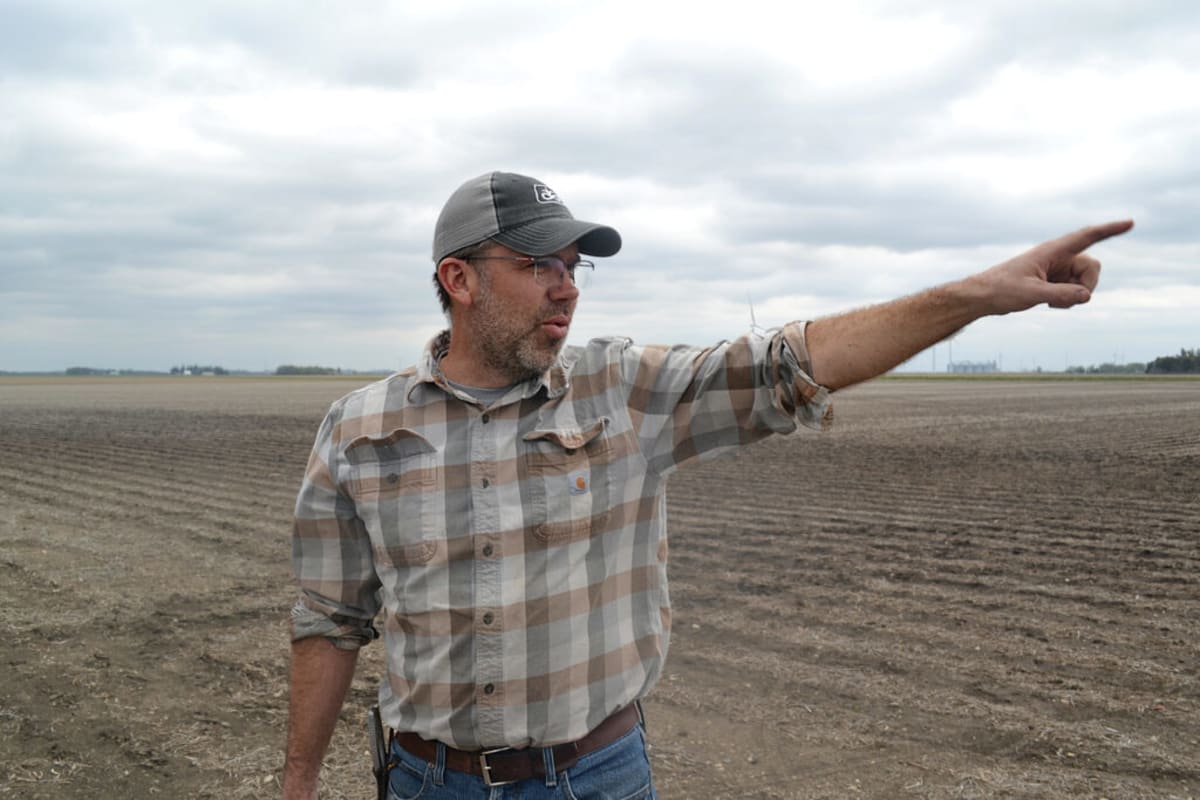
James Hepp never expected to become the poster boy for farm regulation. But after 13 years of watching Iowa's voluntary water protection strategy fail, the 36-year-old corn and soy farmer decided enough was enough.
Hepp farms 1,600 acres in northern Iowa using conservation methods that protect soil and prevent fertilizer runoff into waterways. He tills less land, uses less nitrogen fertilizer, and saves money on diesel and chemicals while growing the same crops as his neighbors.
Now he's joined forces with Matthew Bormann and Zack Smith to form the "Lobe Rangers," three successful farmers using social media to call for mandatory environmental protections. Their message: if they can farm profitably while protecting water, everyone should be required to do the same.
The timing matters because Iowa faces a genuine water crisis. Nitrogen and phosphorus from farm fertilizer are contaminating drinking water sources and fueling toxic algal blooms that flow all the way to the Gulf of Mexico.
Iowa's voluntary Nutrient Reduction Strategy launched in 2013 to address the problem. The state set a goal of covering 60 percent of farmland with cover crops, plants grown between harvest seasons to prevent soil erosion and nutrient runoff.
Last year, only 17 percent of Iowa farmland used cover crops. The voluntary approach simply isn't working fast enough.
The Ripple Effect
What makes the Lobe Rangers different is their credibility. These aren't environmental activists or politicians. They're award-winning farmers and former county Farm Bureau board members who've made their living growing Iowa's biggest commodity crops.
Their March Facebook videos showing regenerative farming practices in action quickly went viral across the state. The message resonated because it came from people who understand the business realities of modern agriculture.
Hepp started using conservation methods to cut costs, not save the planet. The environmental benefits were a bonus he discovered along the way. After a decade of proving these practices work financially, he's lost patience with excuses.
Governor Kim Reynolds recently proposed $52 million for expanded farm conservation and $100 million for water treatment infrastructure. But the Lobe Rangers argue that without requirements, too many farmers will continue prioritizing short-term convenience over long-term sustainability.
The trio represents a growing voice within agriculture itself calling for change. They're living proof that protecting Iowa's water doesn't mean destroying Iowa's farms.
Their children are watching, and so is the Gulf of Mexico.
Based on reporting by Inside Climate News
This story was written by BrightWire based on verified news reports.
Spread the positivity!
Share this good news with someone who needs it